This is general information, not financial advice. Your circumstances are unique — always speak to a qualified mortgage broker before making financial decisions. This page may contain affiliate links. Affiliate disclosure · Terms

Owning a listed building is a privilege — you are custodian of a piece of British history. Getting a mortgage on one is entirely possible, but the listing brings obligations and costs that both you and your lender need to understand.
Understanding the Grades
In England and Wales, listed buildings are classified into three grades:
Grade II: The vast majority (around 92%) of listed buildings. These are nationally important and of special interest. Most lenders are comfortable with Grade II properties.
Grade II:* Particularly important buildings of more than special interest. About 5.8% of listed buildings. Some lenders are more cautious.
Grade I: Buildings of exceptional interest. Only about 2.5% of listed buildings. These can be challenging to mortgage due to the extreme restrictions on alterations and the costs of maintenance.
Scotland uses categories A, B, and C (with A being the most significant), and Northern Ireland uses grades A, B+, B1, and B2.
Why Lenders Care About Listing
Lenders are concerned about three things:
Maintenance Costs
Listed buildings must be maintained to a certain standard, and repairs must be carried out using appropriate materials and methods. You cannot patch a 17th-century wall with modern render or replace original windows with uPVC. This is part of why older properties often have poor EPC ratings. Authentic materials and specialist craftspeople cost more.
Restrictions on Alterations
You need Listed Building Consent for any work that affects the character of the building — and that includes internal alterations, not just external ones. This limits your ability to modernise the property and can affect its appeal to future buyers.
Insurance Costs
Insuring a listed building costs more because replacement or repair must be done sympathetically. Rebuilding a listed property to its original specification can cost significantly more than a modern equivalent.
Unauthorised alterations
If previous owners have carried out alterations without Listed Building Consent, this is a criminal offence (there is no time limit) and the local authority can require the changes to be reversed. Lenders will want to know that all works have been properly consented. A solicitor should check this during conveyancing.
Which Lenders Mortgage Listed Buildings?
Grade II properties are accepted by most mainstream lenders including Halifax, Nationwide, NatWest, Barclays, and many building societies. The listing alone is unlikely to cause a refusal.
Grade II and Grade I properties* may require specialist lenders. Building societies with local knowledge (particularly those in areas with many listed buildings) can be more flexible than large national lenders.
The key factors beyond the grade are:
- The condition of the building
- Evidence that it has been properly maintained
- Insurance arrangements
- Any outstanding enforcement notices or unconsented works
Surveys and Reports
A standard mortgage valuation is not sufficient for a listed building. It is worth commissioning:
Building Survey (Level 3)
This is the most comprehensive survey available and is strongly recommended for listed buildings. It will identify:
- Structural issues
- Damp problems (common in older buildings)
- Condition of the roof, timbers, and stonework
- Previous alterations (consented and unconsented)
- Ongoing maintenance requirements
Specialist Reports
Depending on the property, you may also need:
- A timber and damp report
- A structural engineer's assessment
- An electrical survey (old wiring is common)
- A drainage survey
- A conservation assessment if significant works are needed
Find surveyors who understand listed buildings
Not all surveyors have experience with historic buildings. Look for a surveyor who is a member of the RICS (Royal Institution of Chartered Surveyors) with specific experience in listed or heritage properties. The wrong surveyor might flag issues that are normal for a building of that age, causing unnecessary alarm.
Insurance Requirements
Buildings insurance for a listed property must cover the cost of like-for-like repair or rebuilding using appropriate materials and methods. This is typically 2-4 times more expensive than insuring a modern property of similar size.
Key insurance considerations:
- Rebuild value — this must reflect the actual cost of rebuilding to listed building standards, which is significantly higher than a standard rebuild cost
- Specialist insurers — companies like NFU Mutual, Hiscox, and specialist heritage insurers are experienced with listed buildings
- Your lender will require adequate buildings insurance as a condition of the mortgage
- Get a specialist rebuild cost assessment — a generic online calculator will underestimate the figure
Typical Extra Costs
Compared to buying a non-listed property:
- Survey costs: £800-2,000+ for a comprehensive building survey
- Insurance: 2-4× higher than a standard property
- Maintenance: Ongoing costs are higher due to specialist materials and labour
- Alterations: Any changes require Listed Building Consent (an application to the local authority, often with supporting heritage statements)
- Solicitor's fees: Conveyancing on a listed building is more complex and may cost more
- Energy improvements: There are limitations on what you can do (no external wall insulation, restrictions on window replacement, etc.)
Practical Advice
- Check the listing details on the Historic England (or equivalent) database — understand exactly what is listed and what the specific features of interest are
- Commission a thorough survey from a surveyor experienced with historic buildings
- Check for enforcement notices — has the local authority flagged any unconsented works?
- Get insurance quotes before committing — make sure you can afford the premiums
- Budget for maintenance — listed buildings are more expensive to maintain; plan for this
- Understand the consent process — if you plan any changes, factor in the time and cost of obtaining Listed Building Consent
- Talk to the local conservation officer — they can advise on what changes are likely to be acceptable
Grants and Support
Various grants may be available for listed building owners:
- Historic England grants for repair and maintenance of significant buildings
- Local authority grants in some areas
- Heritage Lottery Fund for certain projects
- VAT relief on approved alterations to listed buildings (reduced or zero-rated in some circumstances)
These can help offset the higher costs of ownership, though they are competitive and not guaranteed.
Regional Prevalence and Local Expertise
Listed buildings are not evenly distributed across the UK, and this affects both the availability of specialist expertise and lender familiarity:
The Cotswolds and South West

The Cotswolds, Somerset, Dorset, and Devon have some of the highest concentrations of listed buildings in England. Local building societies (Bath, Loughborough, Furness) and local surveyors have extensive experience with listed properties. Lenders in these regions process listed building mortgages regularly and are less likely to be alarmed by the listing.
East Anglia
Norfolk, Suffolk, and Cambridgeshire have significant numbers of listed timber frame, flint, and brick buildings. The region's flat landscape and agricultural heritage have produced distinctive building types that local surveyors understand well.
The Home Counties
Counties surrounding London — Surrey, Kent, Sussex, Hertfordshire — have substantial numbers of listed buildings, from medieval manor houses to Georgian town houses. The market for listed properties in these areas is strong, and mainstream lenders are comfortable.
Northern England
Yorkshire, the Lake District, and Northumberland have their own stock of listed buildings, often in stone. Local building societies with experience of stone-built properties can be valuable allies.
Scotland
Scotland's listing system works differently — Category A (the most important), Category B, and Category C. The process for obtaining consent for alterations goes through Historic Environment Scotland. Scottish lenders are familiar with the system, but English-based lenders may need additional explanation.
Wales
Cadw manages the listing system in Wales. Welsh-listed properties may be less familiar to English-based lenders, but the principles are the same.
What the Valuer Looks For
When a surveyor values a listed building for mortgage purposes, they assess several factors that are unique to listed properties:
Condition Relative to Age
The surveyor must assess the property's condition in the context of its age. Cracks, uneven floors, and minor damp in a 400-year-old cottage are expected and do not necessarily indicate structural problems. An experienced surveyor will distinguish between normal age-related characteristics and genuine defects.
Previous Works and Consent
The surveyor looks for evidence of alterations and considers whether they were likely to have had the necessary Listed Building Consent. Inappropriate works — such as modern uPVC windows in a period property, cement pointing on lime mortar walls, or removed original features — can be red flags. If unconsented works are identified, the lender may require the issue to be resolved before proceeding.
Ongoing Maintenance Requirements
The surveyor assesses the property's maintenance needs and the likely costs. They consider the condition of the roof (especially if it is stone slate, clay tile, or thatch), the stonework or brickwork, the windows, and any specialist features. A property that has been well-maintained will receive a more positive assessment than one that has been neglected.
Rebuild Cost
For insurance purposes, the surveyor must estimate the rebuild cost using appropriate materials and methods. This is significantly higher for listed buildings than for modern properties because of the specialist materials, craftsmanship, and regulatory requirements involved. The surveyor may recommend a specialist rebuild cost assessment rather than relying on generic calculators.
Conservation Area Context
Many listed buildings are in conservation areas, which add an additional layer of planning control. The surveyor considers the conservation area status and its implications for any future work on the property.
Specific Lender Policies
Halifax
Halifax accepts Grade II listed buildings without difficulty and will consider Grade II* properties on a case-by-case basis. They require evidence of buildings insurance with an adequate sum insured reflecting the listed building rebuild cost. They are rarely willing to lend on Grade I properties.
Nationwide
Nationwide is generally comfortable with listed buildings and has significant experience across all grades. They require a satisfactory building survey and appropriate insurance. Their underwriters can be flexible on unusual features associated with listed buildings.
Barclays
Barclays accepts most listed buildings but may apply additional conditions for Grade I and Grade II* properties. They may require a detailed schedule of proposed maintenance works if the survey identifies significant upcoming costs.
Building Societies
Many building societies excel with listed buildings. Those in areas with high concentrations of listed properties — such as Bath Building Society, Ecology Building Society, and Skipton Building Society — have particular expertise. They often take a more nuanced and pragmatic approach than large national lenders.
Specialist Lenders
For the most challenging listed buildings (Grade I, extensive works needed, unusual construction), specialist lenders like Aldermore, Together, and some private banks may provide solutions. Deposit requirements are typically 20-30%.
Insurance in Detail
Finding the Right Insurer
Standard home insurance is not suitable for listed buildings. You need a policy that:
- Covers like-for-like repair using appropriate materials and methods
- Includes an adequate sum insured based on the listed building rebuild cost (not a standard rebuild calculator)
- Covers the cost of obtaining Listed Building Consent for repair works
- Covers the cost of architectural supervision during repairs (often required for listed buildings)
- Does not exclude key risks such as subsidence, storm damage, or escape of water
Specialist Insurers for Listed Buildings
- NFU Mutual: Extensive experience with rural and historic properties; competitive premiums for well-maintained listed buildings
- Hiscox: Specialises in high-value and unique properties; strong listed building offering
- Ecclesiastical: Originally focused on church buildings, they have broad experience with heritage properties
- Listed Property Owners Club (LPOC) scheme: A group policy available to members, offering competitive rates specifically for listed buildings
Rebuild Cost Guidance
For insurance purposes, the rebuild cost of a listed building is typically 2-4 times the standard rebuild cost for a modern property of similar size. For a Grade I building, it can be higher still. A specialist rebuild cost assessment from a chartered surveyor experienced with listed buildings costs £300-600 and is strongly recommended. Generic rebuild cost calculators available online are not suitable for listed buildings and will almost certainly underestimate the true cost.
Edge Cases
Listed Buildings with Modern Extensions
Some listed buildings have modern extensions that are not themselves part of the listing. The listed element must be maintained to conservation standards, but the modern extension can be maintained using standard materials and methods. This can reduce overall maintenance costs. However, the junction between old and new construction needs careful attention.
Converting a Listed Building
If you are buying a listed building that is being converted (for example, a former barn, chapel, or commercial building being converted to residential use), the mortgage situation is more complex. The conversion itself needs Listed Building Consent, and the lender will want to see that the work meets both Building Regulations and conservation requirements. A specialist development or self-build mortgage may be needed during the conversion phase, with a standard residential mortgage arranged once the work is complete. For the specific challenges of converting a church or chapel — including graveyard proximity, vaulted layouts, and shared spaces — see our church conversion mortgage guide.
Enforcement Notices
If the local authority has issued an enforcement notice for unconsented works, the lender will almost certainly not proceed until the notice is resolved. Resolution may involve retrospective Listed Building Consent (if the works are acceptable), reversal of the works, or legal negotiation. This is a significant red flag during conveyancing.
Energy Efficiency Improvements
Listed buildings present a particular challenge for energy efficiency because many standard improvement measures (external wall insulation, double glazing, solar panels) may not be permitted. However, sensitive improvements are possible — secondary glazing, loft insulation where accessible, draught-proofing, and heating system upgrades. The EPC for listed buildings should be interpreted in this context, and lenders who understand listed properties will not penalise the low energy rating that is inevitable for most historic buildings.
The Rewards
Despite the additional costs and restrictions, listed buildings offer something unique: character, history, and craftsmanship that modern properties cannot replicate. They also tend to hold their value well and, in desirable locations, can command premium prices. The mortgage process requires more care, but the result can be a home with genuine soul.
If listed building restrictions make mortgage approval difficult, selling directly for cash may be the fastest route. SellTo offers free cash valuations with no fees to the seller.(affiliate)
Our exclusive broker partner
Create Finance — for listed buildings
Create Finance is authorised and regulated by the FCA — Unmortgageable is not. We earn a referral fee from Create Finance only if your mortgage completes through them. This never affects what you pay or what advice you receive.

Unmortgageable is not FCA-authorised. Create Finance is — verify them independently on the FCA Register. See our affiliate disclosure.
This is educational content, not financial advice. Your situation is unique — speak to a qualified mortgage broker before making any decisions.
Find out if the property is the problem
Quick check for the construction, lease, cladding, and title issues that get mortgage applications declined — before you spend on a survey.
Get startedRelated reading
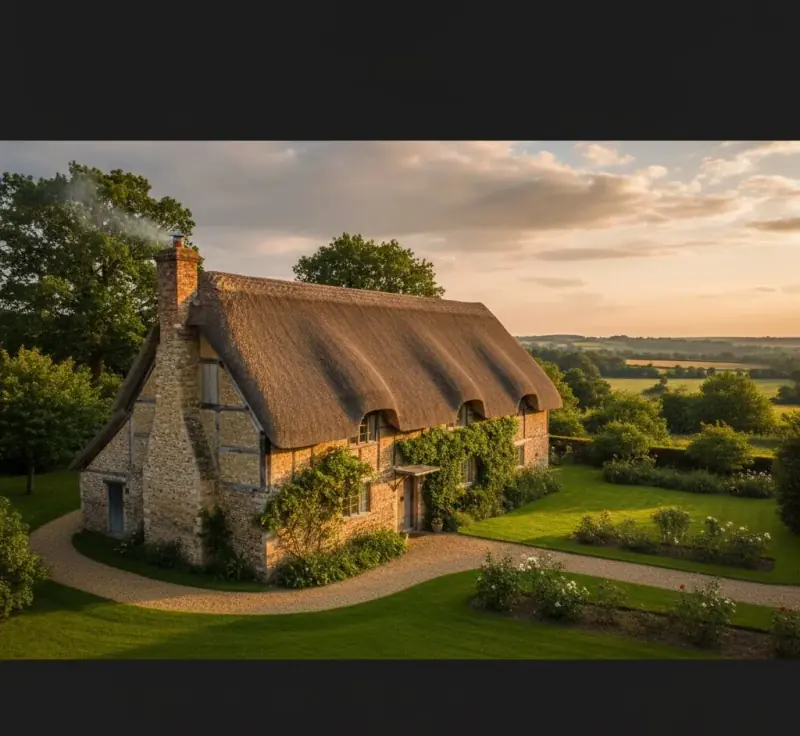
Thatched Roof Mortgage: Specialist Lending
Getting a UK mortgage on a thatched roof property. Fire risk, insurance costs, maintenance budgets, and which lenders accept thatched cottages.
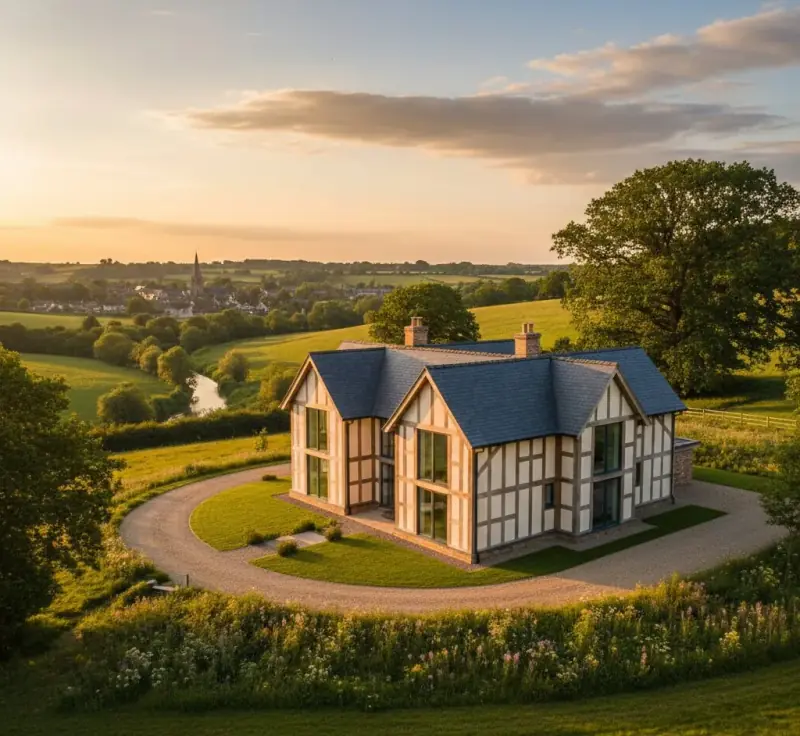
Timber Frame House Mortgage: Who Lends?
Getting a UK mortgage on a timber frame house. Modern vs traditional timber frame, which lenders accept them, and what surveys you need.
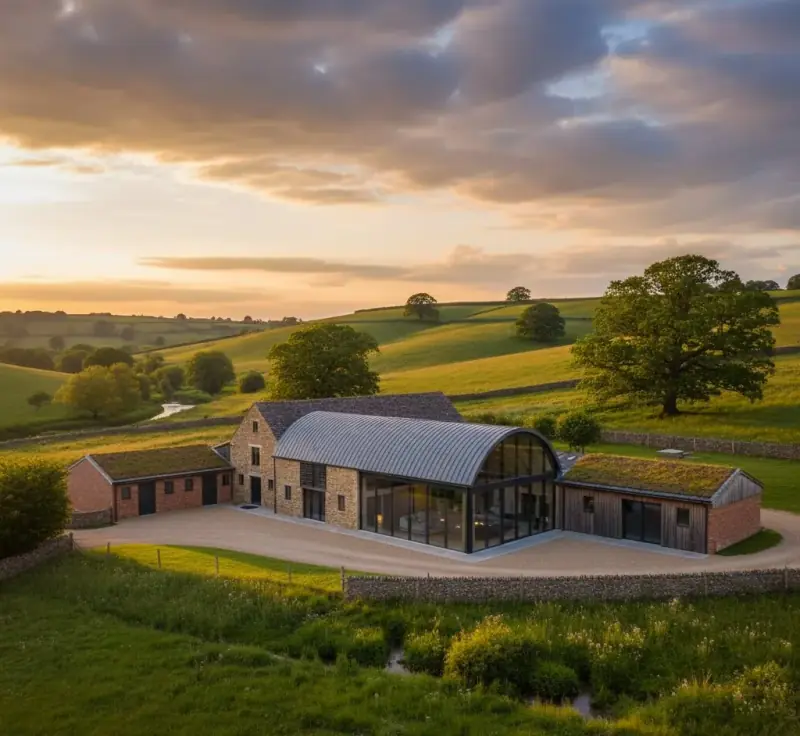
Non-Standard Construction Mortgages: What Counts and Who Lends?
UK guide to mortgages on non-standard construction homes. Timber frame, concrete, PRC, thatched — which lenders accept what and what surveys you need.

Mortgage on a Pre-1900 Property with No EPC
Getting a mortgage on a pre-1900 property with no EPC or low energy rating. Understand how older UK homes are assessed and which lenders are flexible.
Not sure about your mortgage options?
Find out your options — whether it's your circumstances or your property holding you back. Free, no judgement, no cold calls.
This page is educational content, not financial advice or a personal recommendation. Unmortgageable is not FCA-authorised. Any broker or lender we link to is separately regulated — verify them on the FCA Register before engaging. See our affiliate disclosure.