This is general information, not financial advice. Your circumstances are unique — always speak to a qualified mortgage broker before making financial decisions. This page may contain affiliate links. Affiliate disclosure · Terms
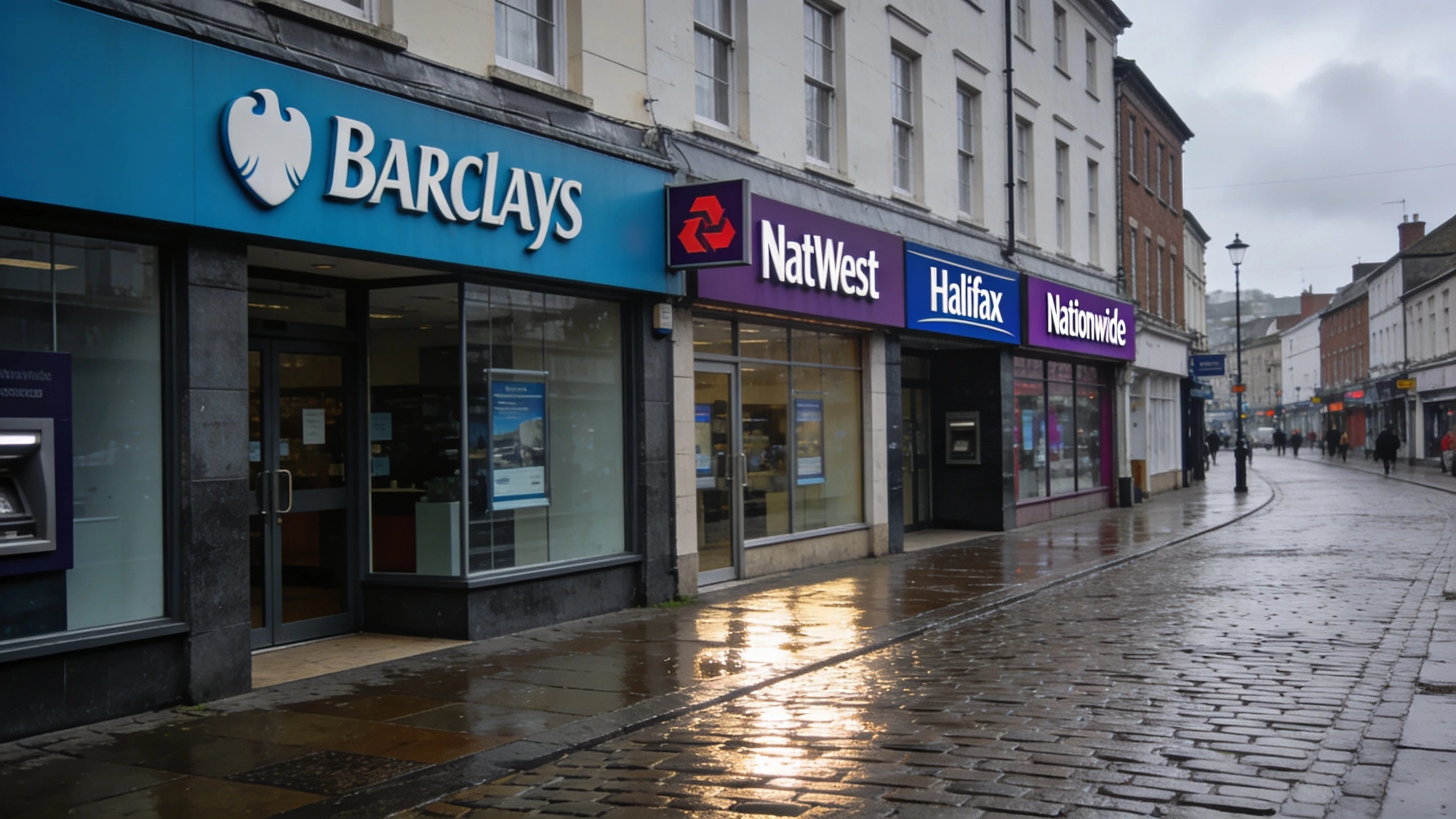
When a mainstream bank declines your mortgage, a building society might say yes. It happens more often than you'd think. Building societies have a fundamentally different structure, different priorities, and often different attitudes to lending. Understanding these differences could be the key to your mortgage.
The Fundamental Difference
Banks are public limited companies (PLCs) owned by shareholders. Their primary obligation is to generate profit for those shareholders. Every lending decision is filtered through this lens.
Building societies are mutual organisations owned by their members — that's you, if you have an account with them. They exist to serve their members, not to maximise shareholder returns. This doesn't mean they're charities — they need to be financially sound — but their motivations are different.
This structural difference affects how they approach mortgage lending in meaningful ways.
Why Building Societies Are Often More Flexible
Manual Underwriting
Many building societies — especially smaller ones — use manual underwriting rather than automated credit scoring. Instead of a computer algorithm deciding your fate in milliseconds, a human being reads your application, looks at the context, and makes a judgement.
This matters hugely for people with:
- Adverse credit with a good explanation — a human can understand that a default was caused by illness, not irresponsibility
- Complex income — self-employed, multiple income sources, irregular earnings
- Unusual properties — non-standard construction, short leases, rural properties
- Thin credit files — no credit history isn't the same as bad credit history
Community Focus
Many building societies have strong local ties. A regional building society understands the local property market, local employment conditions, and the circumstances of local borrowers in a way that a London-based bank's algorithm simply can't.
Different Risk Appetite
Without shareholders demanding maximum quarterly returns, building societies can take a longer view. They can accept slightly higher risk on individual cases because they're not trying to optimise every loan for profit. They're trying to help people buy homes — that's literally why they exist.
The name gives it away
"Building society" — the clue is in the name. These organisations were founded specifically to help people build (buy) homes. Many were started in the 18th and 19th centuries by groups of workers pooling savings to help each other buy houses. That founding purpose still shapes how they operate.
Building Societies Known for Flexibility
Nationwide Building Society
The UK's largest building society. While their lending criteria are broadly mainstream, they're often slightly more flexible than high street banks, particularly on:
- Self-employed income
- Older borrowers
- Family-supported mortgages
Leeds Building Society
Known for flexibility across several areas:
- Shared ownership mortgages
- Self-employed with one year's accounts
- Older borrowers without standard retirement income evidence
- Some adverse credit tolerance
Skipton Building Society
Particularly noted for:
- Helping first-time buyers
- Self-employed with non-standard income evidence
- Competitive rates for near-prime borrowers
Bath Building Society
A smaller society with notably flexible manual underwriting:
- Adverse credit considered on a case-by-case basis
- Complex income situations
- Non-standard properties
- Later life lending
Furness Building Society
Based in Cumbria, known for:
- Manual underwriting for adverse credit
- Self-employed flexibility
- Understanding of rural property issues
Loughborough Building Society
Another smaller society with human-first underwriting:
- Adverse credit applications considered individually
- Flexible on income evidence
- Known for helping people who've been declined elsewhere
Family Building Society
Specifically designed for family-supported purchases:
- JBSP and guarantor arrangements
- Intergenerational lending
- Flexible on how family support is structured
Buckinghamshire Building Society
Small but noted for:
- Manual underwriting
- Case-by-case assessment
- Willingness to consider unusual circumstances
Flexibility doesn't mean guaranteed acceptance
Building societies being more flexible doesn't mean they say yes to everyone. They still assess affordability, still check credit, and still need to lend responsibly. But their willingness to look beyond the numbers and consider context is genuinely different from most banks.
How to Approach a Building Society
Through a Broker
Many building societies work through mortgage brokers, especially for non-standard cases. A broker who knows the building society market can identify which society is most likely to accept your specific situation and present your case effectively.
Direct Application
Some building societies — particularly local ones — welcome direct applications. If you live near a branch, walking in and speaking to someone face-to-face can be surprisingly effective. Building society staff often have more knowledge and authority than bank branch staff.
The Conversation That Matters
Before formally applying, ask for an informal discussion about your circumstances. Many building societies will tell you upfront whether your situation is something they'd consider, saving you from unnecessary credit searches.
Building Societies vs Banks: A Comparison
| Factor | Banks | Building Societies |
|---|---|---|
| Ownership | Shareholders | Members |
| Primary goal | Profit | Member service |
| Underwriting | Mostly automated | Often manual (especially smaller ones) |
| Flexibility | Limited by rigid criteria | More scope for case-by-case decisions |
| Product range | Very wide | More focused on mortgages and savings |
| Branch network | Extensive | Varies — some local only |
| Speed | Often faster (automated) | Can be slower (manual review) |
| Technology | Generally more advanced | Varies widely |
The Trade-Offs
Building societies aren't perfect. Potential drawbacks include:
- Fewer products — less variety than a large bank
- Slower processing — manual underwriting takes time
- Limited branch networks — especially smaller societies
- Less sophisticated technology — online applications may be clunkier
- Slightly higher rates — in some cases, the flexibility comes with a small rate premium
- Geographic limitations — some local societies only lend on properties in their area
When to Try a Building Society

You should specifically explore building societies if:
- You've been declined by mainstream banks
- Your situation is non-standard in any way (income, property, credit)
- You value having a human review your application
- You're self-employed with irregular or complex income
- You have mild to moderate adverse credit with a good explanation
- You're buying a non-standard property
- You need a family-supported mortgage arrangement
Worked Example: Bank Decline, Building Society Approval
Michael is 58 years old, self-employed as a plumber for 20 years, earning £42,000 per year. He wants to remortgage his home (valued at £230,000, mortgage balance of £95,000) to a better rate. He has no adverse credit, but his age and self-employment create complications.
What happened with the bank (NatWest):
- NatWest's automated system flagged his age — at 58, a standard 25-year term would run until he's 83
- They offered a maximum term of 12 years (to retirement at 70)
- On a 12-year term, the monthly payment would be £900+ — too high for affordability
- Application declined on affordability grounds
What happened with Bath Building Society:
- A human underwriter reviewed his case
- They noted his 20-year track record of self-employment with consistent income
- They considered that plumbers can and do work beyond state pension age
- They offered a 20-year term (to age 78) with a review at 70
- Monthly payment: approximately £580 — comfortably affordable
- Approved at a competitive rate of 4.9%
This is the power of manual underwriting. The automated system couldn't handle the nuance; a human could.
How to Find the Right Building Society for Your Situation
With over 40 building societies in the UK, finding the right one for your situation isn't always obvious. Here's a practical approach:
For Adverse Credit
Start with: Bath Building Society, Loughborough Building Society, Furness Building Society These smaller societies are known for sympathetic manual underwriting. They'll want to understand the story behind your credit issues, not just see the numbers.
For Self-Employed with Complex Income
Start with: Leeds Building Society, Skipton Building Society, Buckinghamshire Building Society These societies are experienced with variable income patterns, dividend-based income, and shorter trading histories.
For Non-Standard Properties
Start with: Ecology Building Society (specialises in unusual and eco-friendly properties), Furness Building Society (understands rural properties), Leeds Building Society (flexible on construction types)
For Older Borrowers
Start with: Bath Building Society, Family Building Society, Leeds Building Society These societies are willing to lend into later life with appropriate evidence that you can sustain payments.
For Family-Supported Purchases
Start with: Family Building Society (specifically designed for this), Tipton & Coseley Building Society, Bath Building Society
The Application Process: What to Expect
Applying to a building society, particularly a smaller one, can feel very different from applying to a bank:
Before You Apply
Many building societies welcome an informal conversation before you submit a formal application. Call their mortgage department and explain your situation. They'll often tell you informally whether they'd be likely to consider your case, saving you from unnecessary credit searches.
The Application
Expect to provide more context than you would with a bank. Building societies using manual underwriting want to understand your situation — not just your numbers. Be prepared to write a covering letter explaining any unusual circumstances, credit issues, or income patterns.
Underwriting Timescales
Manual underwriting is slower than automated systems. Where a bank might give you an answer in 24-48 hours, a building society may take 1-3 weeks. Factor this into your timeline, especially if you're buying and have a completion deadline.
The Decision
If a building society declines you, they'll often explain why in more detail than a bank would. This can be valuable — it tells you what to work on before trying elsewhere.
Common Mistakes When Approaching Building Societies
Assuming All Building Societies Are the Same
Nationwide (the largest building society) operates more like a bank than a traditional mutual in many respects. Its criteria are closer to mainstream bank criteria than to Bath or Loughborough building societies. Don't assume that because Nationwide declined you, all building societies will.
Not Providing Enough Context
With manual underwriting, context is everything. A default with no explanation is just a red flag. A default with a letter explaining it was caused by a medical emergency, now fully resolved, is a story with a positive ending. Always provide context.
Going Direct When a Broker Would Be Better
While some building societies welcome direct applications, others work primarily through brokers. A broker who knows the building society market can often present your case more effectively than you can alone, because they understand what each society's underwriters are looking for.
Not Considering Multiple Building Societies
If your situation is non-standard, apply to the most suitable building society first, but have a backup plan. If Bath Building Society declines you, Furness or Loughborough might still say yes — each has its own criteria and risk appetite.
Questions to Ask When Approaching a Building Society
- "Do you use manual underwriting for mortgage applications?" — If the answer is yes, you have a better chance of a contextual review.
- "Can I speak to an underwriter informally before applying?" — Some societies allow this, which saves time and credit searches.
- "What's your maximum age at the end of the mortgage term?" — This varies significantly between societies.
- "How do you assess self-employed income?" — Latest year vs average, net profit vs salary plus dividends — the approach matters.
- "Do you lend on [specific property type]?" — If your property is non-standard, check before applying.
- "What adverse credit will you consider?" — Get specific details rather than vague assurances of flexibility.
The Human Touch
In an age of algorithms and automation, building societies represent something increasingly rare in financial services: human judgement. Your life doesn't fit in a checkbox, and neither do many mortgage applications. If a computer has said no, it might be time to talk to a person.
This is educational content, not financial advice. Your situation is unique — speak to a qualified mortgage broker before making any decisions.
Related reading

Specialist Mortgage Lenders UK: Who Are They?
Who are the specialist mortgage lenders in the UK? A comprehensive guide to lenders who help with bad credit, self-employment, and non-standard situations.

Mortgage Broker vs Going Direct to a Bank
Should you use a mortgage broker or go direct to a bank? Compare the pros, cons, and costs of each approach for UK mortgage applicants.

Adverse Credit Mortgage Rates: What to Expect
What mortgage rates can you expect with bad credit in the UK? Real examples of how defaults, CCJs, and IVAs affect your interest rate in 2026.

How Mortgage Brokers Actually Get Paid
How do UK mortgage brokers get paid? Understand procuration fees, broker fees, and whether fee-free brokers are really free. Full transparency guide.
Not sure about your mortgage options?
Find out your options — whether it's your circumstances or your property holding you back. Free, no judgement, no cold calls.
This page is educational content, not financial advice or a personal recommendation. Unmortgageable is not FCA-authorised. Any broker or lender we link to is separately regulated — verify them on the FCA Register before engaging. See our affiliate disclosure.