This is general information, not financial advice. Your circumstances are unique — always speak to a qualified mortgage broker before making financial decisions. This page may contain affiliate links. Affiliate disclosure · Terms
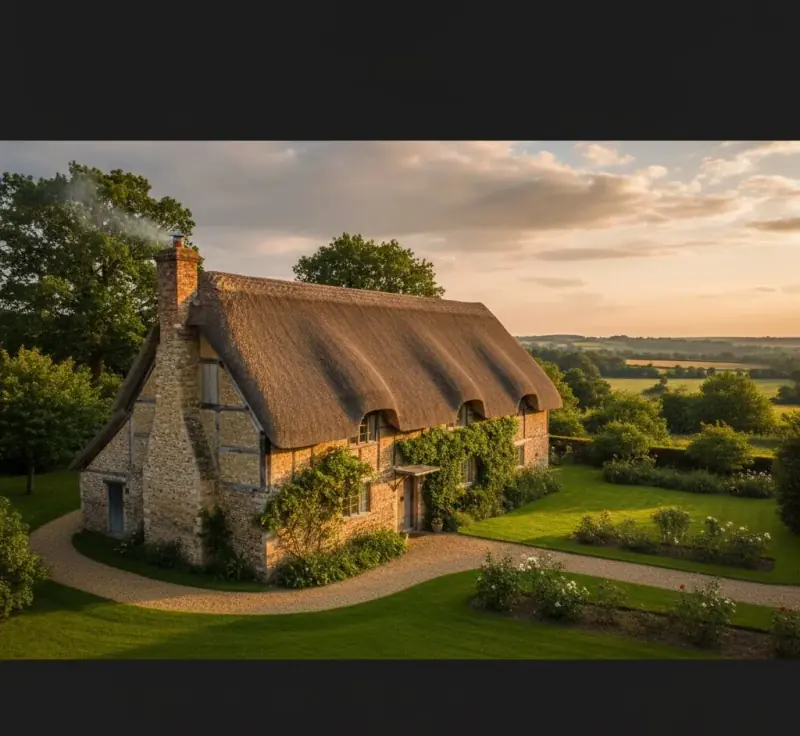
Thatched cottages are among the most picturesque homes in the British countryside. Around 60,000 thatched properties exist across the UK, and they attract strong demand from buyers seeking character and charm. Getting a mortgage on one is perfectly achievable — but the thatch brings specific considerations that make this a non-standard construction type with fire risk, insurance, and maintenance implications.
Why Lenders Think Twice
The primary concern with thatched roofs is fire risk. Thatch is combustible, and chimney fires or electrical faults near the roof can cause devastating damage. A thatched roof fire often results in the total loss of the roof and severe damage to the property below.
Secondary concerns include:
- Maintenance costs — thatch needs regular attention and eventual re-thatching
- Insurance costs — significantly higher than standard properties
- Specialist repair requirements — only qualified thatchers can work on the roof
- Moisture and pest issues — birds, rodents, and damp can all affect thatch
Which Lenders Accept Thatched Properties?
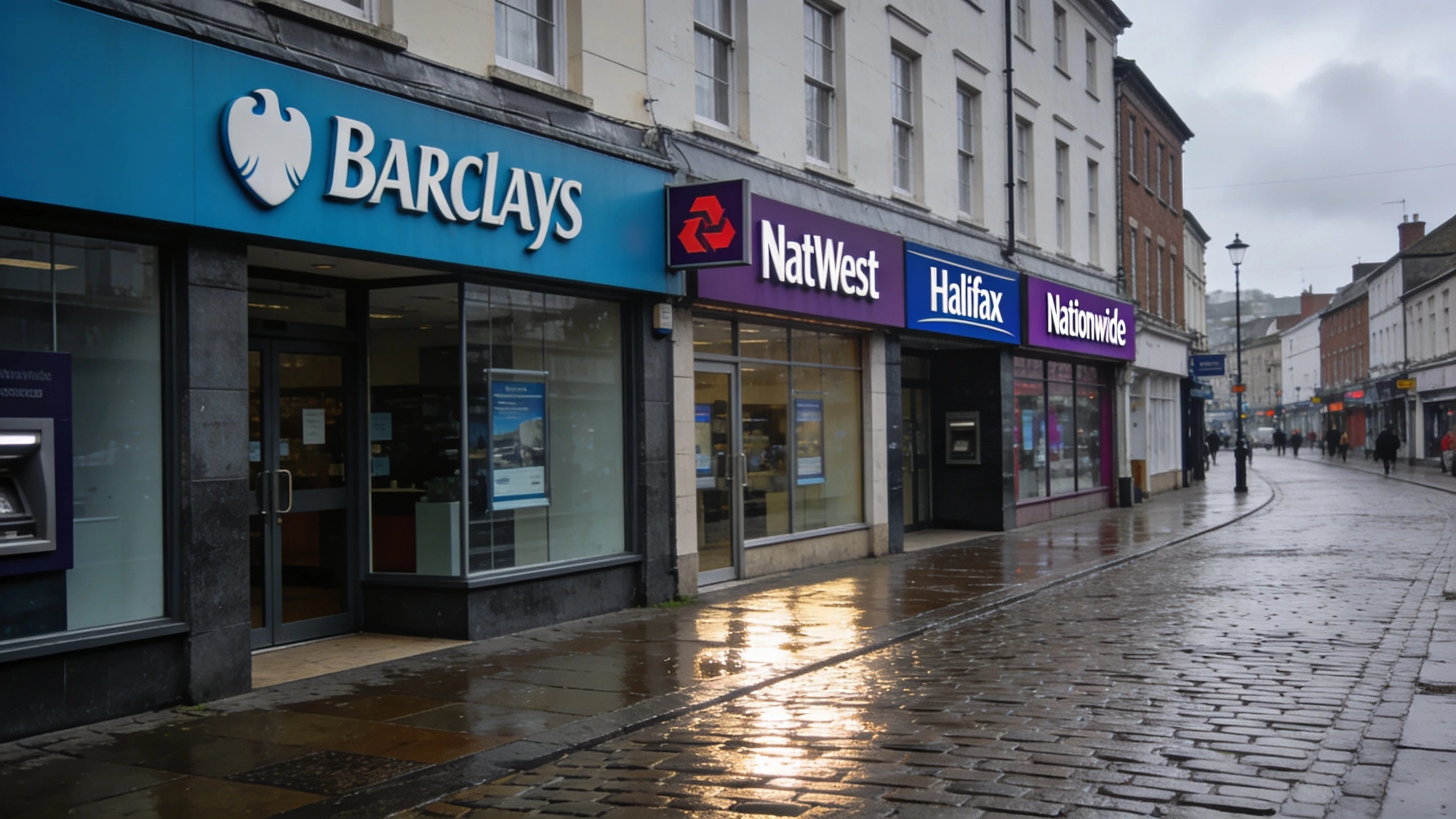
The good news is that thatched properties are well-established in the UK market, and most mainstream lenders will consider them. You can check which lenders currently accept thatched properties using our construction lender checker.
- Halifax — accepts thatched properties
- Nationwide — will consider with appropriate survey and insurance
- NatWest — generally flexible on thatched roofs
- Barclays — will lend on thatched properties
- Many building societies — particularly those in rural areas where thatched properties are common (Bath, Skipton, Ecology, etc.)
Lender requirements typically include:
- A satisfactory survey that specifically addresses the thatch condition
- Confirmation that adequate buildings insurance is in place
- Evidence that the property is well-maintained
Rural building societies are your friend
Building societies based in areas with many thatched properties — the South West, East Anglia, the Cotswolds — often have the most experience and the most pragmatic approach. They understand that thatched properties are a normal part of the local housing stock.
Insurance: The Big Consideration
Insurance for thatched properties costs significantly more than for standard homes. Expect to pay:
- 2-5 times the premium of a comparable non-thatched property
- £1,500-4,000+ per year for buildings and contents insurance
- Higher premiums if the property has a history of claims
Why So Expensive?
- Fire claims on thatched properties tend to be catastrophic (total roof loss)
- Rebuilding/re-thatching is expensive (£30,000-60,000+ for a full re-thatch)
- Specialist materials and labour are required
- The risk is higher than for properties with tile or slate roofs
Finding Insurance
Specialist thatched property insurers include:
- NFU Mutual — one of the most experienced with rural and thatched properties
- Hiscox — covers high-value and unusual properties
- Adrian Flux — specialist home insurance
- Policy Expert and others — several brokers specialise in thatched property insurance
Get multiple quotes and consider using a specialist insurance broker who understands thatched properties.
Fire safety requirements
Most insurers require specific fire safety measures in thatched properties. These typically include: a spark arrestor on all chimneys, heat detectors in the roof space (not just smoke alarms), electrical inspections every 5 years, multi-fuel stove installation by a HETAS registered engineer, and keeping chimney flues swept annually. Failing to meet these requirements can invalidate your insurance.
Thatch Types and Lifespans
Not all thatch is the same. The material affects the roof's lifespan and maintenance costs:
| Material | Typical Lifespan | Notes |
|---|---|---|
| Water reed (Norfolk reed) | 25-40 years | Most durable; commonly used in East Anglia and new thatching |
| Combed wheat reed | 20-35 years | Traditional in the West Country |
| Long straw | 15-25 years | Softer appearance; shorter lifespan |
The ridge (the top of the roof) typically needs replacing more frequently — every 10-15 years regardless of the main material.
Surveys and Reports
Thatch Survey
A specialist thatch survey is strongly recommended. This is separate from a standard building survey and should be carried out by a qualified thatcher or thatch surveyor. It assesses:
- The condition of the thatch
- The estimated remaining lifespan
- Whether re-ridging or patching is needed
- The presence of moss, algae, or netting
- Wire netting condition (used to protect thatch from birds)
- Fire safety measures in place
Cost: £200-500
Building Survey
A full Building Survey (Level 3) is also recommended for thatched properties, covering the rest of the structure. Many thatched homes are older buildings with timber frame construction, so the surveyor should have experience with historic properties.
Electrical Survey
Given the fire risk, an up-to-date electrical survey is important. Faulty wiring near the thatch is one of the most common causes of thatched roof fires.
Typical Costs of Ownership
Beyond the purchase price and mortgage, budget for:
- Insurance: £1,500-4,000+ per year
- Annual maintenance: £500-1,500 (inspections, minor repairs, chimney sweeping)
- Re-ridging: £3,000-8,000 every 10-15 years
- Full re-thatch: £30,000-60,000+ when the thatch reaches end of life
- Chimney maintenance: Annual sweeping essential; spark arrestor replacement as needed
- Electrical inspections: Every 5 years (£300-500)
Practical Advice
- Get a specialist thatch survey before committing to purchase — know the remaining lifespan and upcoming costs
- Get insurance quotes before exchanging contracts — make sure you can afford the premiums
- Budget for re-thatching — start a sinking fund from day one, putting aside money monthly
- Find a good local thatcher — they will carry out annual inspections and routine maintenance
- Install proper fire safety measures — this protects your home and satisfies insurers
- Check if the property is listed — many thatched cottages are, which adds another layer of requirements
- Be mindful of the chimney — if you use the fireplace, annual sweeping and a spark arrestor are non-negotiable
- Consider the whole package — a thatched cottage with timber frame construction that is also listed will need a surveyor experienced in all three aspects
What the Valuer Looks For
When a surveyor values a thatched property for mortgage purposes, they pay particular attention to thatch-specific factors:
Thatch Condition
The surveyor assesses the visible condition of the thatch. They look for:
- Moss and algae growth — excessive growth indicates moisture retention and can shorten the thatch's lifespan
- Bare patches — areas where the thatch has worn thin, exposing the underlying structure
- Wire netting condition — most thatched roofs have wire netting to protect against bird damage; deteriorating netting needs replacement
- Ridge condition — the ridge is the first element to deteriorate and is a key indicator of overall maintenance
- Sagging or distortion — signs that the thatch or underlying roof structure may be compromised
- Previous repairs — patching can extend the thatch's life, but multiple patches may indicate the roof is approaching re-thatch stage
Fire Safety Measures

The surveyor checks for fire safety measures that are both practical necessities and insurance requirements:
- Spark arrestors on all chimneys
- Heat detectors in the roof space (specifically heat detectors, not smoke detectors, as thatched roof spaces can generate false alarms with smoke detectors)
- Fire-retardant barrier between the thatch and the internal ceiling (found in some newer thatching work)
- Adequate separation between the thatch and any flue pipes
- Clear access around the property for fire service vehicles
Underlying Structure
The surveyor looks beyond the thatch to the structure supporting it:
- Condition of the roof timbers
- Whether the timber frame (if applicable) is sound
- Condition of the wall plates (where the roof meets the walls)
- Evidence of past insect damage (woodworm, deathwatch beetle)
- Signs of water penetration through the thatch to the timbers below
Overall Property Assessment
Thatched properties are often older buildings with additional characteristics that the surveyor must assess:
- Whether the property is listed (which affects maintenance requirements and costs)
- Condition of solid walls (stone, cob, brick, or timber frame)
- Damp issues (common in older buildings without modern damp-proof courses)
- The general standard of maintenance
Specific Lender Policies
Halifax
Halifax readily accepts thatched properties and does not impose specific conditions beyond a satisfactory valuation and adequate insurance. They have significant experience with thatched properties through their large mortgage book.
Nationwide
Nationwide is comfortable with thatched properties. They require confirmation of appropriate buildings insurance with a rebuild cost that reflects the listed or thatched nature of the property. Their surveyors are generally experienced with non-standard roof types.
NatWest
NatWest accepts thatched properties on a case-by-case basis. They may require a more detailed valuation if the surveyor has concerns about the thatch condition or fire safety arrangements.
Barclays
Barclays will lend on thatched properties with a satisfactory survey and insurance. They do not typically impose additional conditions for well-maintained thatched homes.
Building Societies
Rural building societies are often well worth approaching for thatched properties:
- Bath Building Society: Extensive experience in the West Country where thatched properties are common
- Ecology Building Society: Takes a sympathetic and knowledgeable approach to traditional buildings
- Skipton Building Society: Covers a wide range of non-standard properties
- Ipswich Building Society: Familiar with thatched properties in East Anglia
- Furness Building Society: Experience with traditional rural properties
Regional Prevalence
Thatched properties are concentrated in specific regions of England, and this affects both the availability of thatchers and the familiarity of local lenders and surveyors:
East Anglia (Norfolk, Suffolk, Cambridgeshire)
East Anglia has one of the highest concentrations of thatched properties in England. Water reed (Norfolk reed) is the traditional thatching material here, prized for its durability. Local valuers see thatched properties regularly and are unlikely to raise unnecessary concerns.
The West Country (Devon, Dorset, Somerset)
The West Country is another heartland of thatched building. Combed wheat reed is the traditional material in Devon and Somerset, while long straw is found in parts of Dorset. Local building societies — particularly Bath and Ecology — have extensive experience.
The Cotswolds and the Midlands
The Cotswolds have a significant number of thatched properties, often combined with Cotswold stone construction. Parts of Warwickshire, Oxfordshire, and Northamptonshire also have thatched cottages. The area's desirability means thatched properties command premium prices.
Hampshire, Wiltshire, and the South
The southern counties have a well-established tradition of thatching, with long straw and combed wheat reed both widely used. The market for thatched properties in these areas is strong.
Northern England
Thatched properties are rare in northern England. The wetter, cooler climate is less suitable for thatch, and the building tradition in the north favoured stone slates and clay tiles. Where thatched properties do exist in the north, finding experienced thatchers can be more difficult and costs may be higher.
Scotland and Wales
Thatched properties are uncommon in Scotland and Wales, though they do exist in small numbers. Finding specialist thatchers and valuers experienced with thatch in these regions can be more challenging.
Edge Cases and Unusual Situations
Thatched Properties That Are Also Listed
A significant number of thatched cottages are also listed buildings. This creates a double layer of requirements — the thatch must be maintained to conservation standards, and any work to the building needs Listed Building Consent. The combination can increase maintenance costs but also adds character value. From a mortgage perspective, the listing is usually more relevant than the thatch, as most lenders are comfortable with thatch.
Re-Thatching in Progress
If a property is partway through a re-thatch when you are trying to purchase, the lender may have concerns about the incomplete roof. Most lenders will want the re-thatch to be completed (or nearing completion) before they will proceed with the mortgage. You may need to negotiate the completion timeline with the seller.
Changing Thatch Material
When a thatched roof reaches the end of its life, the property owner can choose a different thatching material for the re-thatch. If the property is listed, Listed Building Consent may be needed for a material change. Some owners consider switching from long straw (shorter lifespan) to water reed (longer lifespan), which can be a sensible long-term investment.
Thatched Properties with Modern Extensions
Some thatched cottages have had modern extensions with tiled or slated roofs. This combination is generally accepted by lenders and can actually simplify insurance, as only part of the roof is thatch. The join between the thatch and the modern roof should be properly detailed to prevent water ingress.
Rodent and Bird Damage
Birds and rodents can cause damage to thatch — birds by pulling out material for nesting, and rodents by burrowing into the thatch for shelter. Wire netting helps prevent bird damage, and keeping vegetation trimmed back from the roof line discourages rodents. If the surveyor identifies significant pest damage, the lender may require it to be addressed before proceeding.
Proximity of Trees
Trees growing too close to a thatched roof can cause problems — they can shade the thatch (encouraging moss and algae), drop leaves that retain moisture, and provide access for rodents. The surveyor may recommend tree management as a condition. However, in conservation areas or where trees are covered by Tree Preservation Orders, felling or major pruning may require permission.
Before-and-After: Thatch Condition Impact
Well-Maintained Thatch (5-10 Years Old)
A thatched cottage with water reed thatch in good condition, recently re-ridged, with all fire safety measures in place. Result: Most mainstream lenders will proceed without hesitation. Standard valuation process. Insurance readily available from specialist providers at typical thatched property rates.
End-of-Life Thatch (Needs Full Re-Thatch)
A thatched cottage where the thatch is 35+ years old, worn thin in places, with deteriorating wire netting. Full re-thatch required within 1-2 years. Result: Most lenders will still proceed, but the surveyor may reduce the valuation to reflect the impending re-thatch cost (£30,000-60,000+). Some lenders may retain a portion of the mortgage advance until the re-thatch is complete. Insurance premiums may be higher due to the roof's poor condition.
Recently Re-Thatched
A cottage that has just been fully re-thatched with new ridge. Result: The ideal scenario for mortgage purposes. The surveyor can confirm excellent roof condition, insurance costs are at their lowest for a thatched property, and the property's value fully reflects the new roof investment.
The Appeal
Despite the additional costs and considerations, thatched properties retain a strong market. They are unique, characterful, and often located in desirable villages. Properties with well-maintained thatch hold their value well and attract buyers who appreciate their heritage.
The mortgage process requires a bit more attention to surveys and insurance, but it is well-trodden ground. Thousands of thatched properties are mortgaged across the UK without difficulty.
If thatched roof insurance and mortgage costs are prohibitive, selling directly for cash may be the fastest route. SellTo offers free cash valuations with no fees to the seller.(affiliate)
Our exclusive broker partner
Create Finance — for non-standard properties
Create Finance is authorised and regulated by the FCA — Unmortgageable is not. We earn a referral fee from Create Finance only if your mortgage completes through them. This never affects what you pay or what advice you receive.

Unmortgageable is not FCA-authorised. Create Finance is — verify them independently on the FCA Register. See our affiliate disclosure.
This is educational content, not financial advice. Your situation is unique — speak to a qualified mortgage broker before making any decisions.
Find out if the property is the problem
Quick check for the construction, lease, cladding, and title issues that get mortgage applications declined — before you spend on a survey.
Get startedRelated reading
Mortgage on a Listed Building
Can you get a mortgage on a listed building in the UK? Yes, but expect specialist surveys, insurance requirements, and restrictions on alterations.
Timber Frame House Mortgage: Who Lends?
Getting a UK mortgage on a timber frame house. Modern vs traditional timber frame, which lenders accept them, and what surveys you need.
Non-Standard Construction Mortgages: What Counts and Who Lends?
UK guide to mortgages on non-standard construction homes. Timber frame, concrete, PRC, thatched — which lenders accept what and what surveys you need.
Building Societies vs Banks: Why They're More Flexible
Why building societies often say yes when banks say no. Understand how UK building societies differ from banks and which ones help with complex situations.
Not sure about your mortgage options?
Find out your options — whether it's your circumstances or your property holding you back. Free, no judgement, no cold calls.
This page is educational content, not financial advice or a personal recommendation. Unmortgageable is not FCA-authorised. Any broker or lender we link to is separately regulated — verify them on the FCA Register before engaging. See our affiliate disclosure.