This is general information, not financial advice. Your circumstances are unique — always speak to a qualified mortgage broker before making financial decisions. This page may contain affiliate links. Affiliate disclosure · Terms
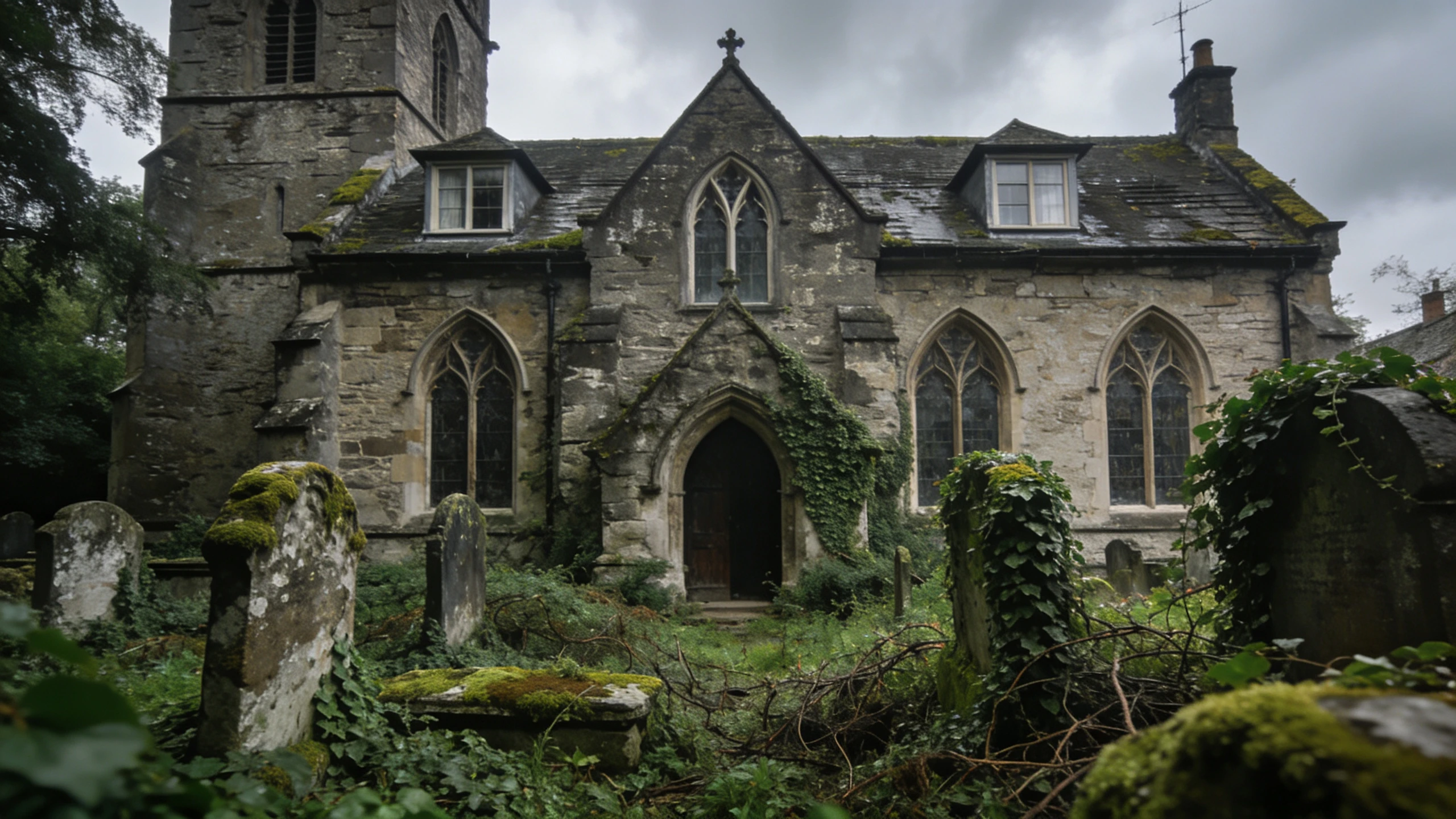
Converted churches, chapels, and other former places of worship are among the most striking and unusual properties on the UK residential market. They are also among the most challenging to mortgage. The combination of heritage listing, unusual layout, specialist maintenance requirements, and the absence of comparable sales creates a set of difficulties that mainstream lenders often prefer to sidestep entirely.
Why Churches Are Challenging Properties
Our exclusive broker partner
Create Finance — for church conversion non-standard mortgage placement
Create Finance is authorised and regulated by the FCA — Unmortgageable is not. We earn a referral fee from Create Finance only if your mortgage completes through them. This never affects what you pay or what advice you receive.

Unmortgageable is not FCA-authorised. Create Finance is — verify them independently on the FCA Register. See our affiliate disclosure.
A converted church is not simply a house with an unusual shape. The challenges are structural, legal, financial, and practical — and they compound each other in ways that make lenders cautious.
Heritage Listing
Most church buildings of any age and architectural merit are listed. In England, churches are listed by Historic England under the same national framework as other historic buildings:
-
Grade II: The minimum listing, applying to buildings of national importance. The majority of former churches available for conversion are Grade II. Most mainstream lenders will consider Grade II properties, but the church conversion adds complexity beyond the listing alone.
-
Grade II*: Particularly important buildings. A significant number of Victorian and Edwardian churches fall into this category, particularly those by notable architects (George Edmund Street, George Gilbert Scott, Augustus Pugin, William Butterfield). Grade II* status significantly reduces the pool of willing lenders.
-
Grade I: Buildings of exceptional interest. Medieval parish churches that have been converted — a rare occurrence, as most remain in use — are typically Grade I. These are extremely challenging to mortgage through any mainstream lender.
The listing means that almost any work — internal or external — requires Listed Building Consent from the local authority in addition to planning permission. This applies to a new kitchen, bathroom, partition walls, and changes to windows as much as to external structural works.
Unusual Layout
Churches were designed for communal worship, not domestic living. The typical church plan — a nave, chancel, perhaps side aisles and transepts — does not map naturally onto domestic rooms. High-end conversions resolve this creatively; lower-quality ones simply partition the space with modern studwork in ways that neither use the volume effectively nor respect the original architecture.
The layout affects mortgage valuations: a property that is difficult to live in, or that requires imagination to understand as a family home, is harder to value accurately.
No Comparable Sales
Valuers assess residential properties primarily by reference to comparable sales — recent sales of similar properties in the same area. Church conversions rarely have direct comparables nearby. There are very few converted churches in any given postcode, and no two are alike. This forces the valuer to use broader comparables (other properties of similar size and character) and to apply more professional judgement, which introduces more uncertainty into the valuation. Lenders dislike uncertainty in valuations.
Large Open Volumes
Many church conversions retain high-vaulted ceilings, large windows, and significant volumes of internal space. While architecturally dramatic, this creates practical challenges:
- Heating costs: A space with 10-metre-high vaulted ceilings is expensive to heat
- Maintenance access: Roof structures, gutters, and high-level masonry require specialist access equipment
- Acoustic properties: Large stone-vaulted spaces can be challenging to live in; conversions that address this with acoustic treatment add cost
Ecclesiastical exemption does not apply post-conversion
Active places of worship have historically benefited from ecclesiastical exemption — a different planning and consent regime that applied to alterations to churches in use. This exemption ceases when the building changes to residential use. Once converted, the standard listed building consent and planning regime applies in full.
The Conversion Quality Question
Not all church conversions are equal. Lenders and their valuers pay close attention to the quality of the conversion:
Full Building Regulations Compliance
A high-quality conversion will have been carried out with full Building Regulations approval, including:
- Structural calculations confirming the adequacy of the existing structure for residential use
- Fire safety provisions meeting residential standards
- Thermal performance improvements (within the constraints of the listed building consent)
- Sound insulation between floors and rooms
- Electrical, plumbing, and drainage to current standards
Where full Building Regulations compliance can be demonstrated, and a completion certificate was issued, lenders have a clearer picture of what was done and to what standard.
Permitted Development and Retrospective Consent
Some conversions — particularly older ones — were carried out without full compliance documentation, or with a retrospective building regulations application. Others may have alterations that were carried out without the necessary listed building consent.
Unconsented alterations to a listed building are a criminal offence with no time limit. The local authority can require reversal of the works regardless of how long ago they were carried out. This is a serious conveyancing risk that can prevent a mortgage and, in the worst cases, create a significant liability for the owner.
A conveyancer experienced in listed building transactions will check the planning and listed building consent history carefully. Any unconsented works should be investigated — and ideally regularised through retrospective consent — before a mortgage is sought.
The Heritage Conversion Premium
Conversions carried out with sympathetic retention of original features — stone floors, arched windows, exposed timber trusses, original ironwork — tend to be both more desirable and more mortgageable than those where the original character has been stripped out. A church conversion that reads clearly as a converted church commands a premium over one that has been subdivided beyond recognition.
Planning and Listed Building Consent
When buying a former church, the buyer needs to understand the history of all works carried out since the original conversion — not just the conversion itself.
Change of use: The original conversion from a place of worship to residential use required planning permission. Check this was properly obtained.
Listed Building Consent: Every alteration since — however minor in appearance — required Listed Building Consent if it affected the character of the listed building. Check the local authority's planning register for any applications (and any refusals or enforcement notices).
Permitted Development Rights: Many permitted development rights that apply to standard homes are removed for listed buildings. Additions, extensions, outbuildings, and satellite dishes that a standard homeowner can install without planning permission may all require consent for a listed church conversion.
Contact the local conservation officer
Before committing to purchase, it is worth contacting the local authority's conservation officer to understand the listing's specific features of interest and what scope there is for future alterations. This also demonstrates good faith and gives you a realistic picture of what you can and cannot change.
Insurance for Converted Churches
Standard home insurance is not appropriate for a converted church. The specialist requirements include:
Listed building rebuild cost: Rebuilding a church conversion to its original specification — using stone, period-appropriate mortar, specialist lime render, original-specification stained glass, traditional lead roofing — costs far more than rebuilding a standard house of similar floor area. The rebuild cost for insurance purposes must reflect this. Generic online rebuild calculators significantly underestimate the figure.
Stained glass and heritage features: If the property retains original stained glass, carved stonework, decorative ironwork, or other heritage features, these need to be specifically covered. Stained glass windows — even relatively modest ones — can cost tens of thousands of pounds to repair or replace to conservation standard.
Specialist insurers: Companies experienced with heritage and unusual properties include Ecclesiastical Insurance (which has historic expertise in church buildings specifically), NFU Mutual, and specialist brokers operating in the non-standard property insurance market. These insurers understand the rebuild requirements and can provide appropriate cover.
Under-insurance risk: Under-insurance is a common problem for listed buildings generally and church conversions specifically. If the sum insured is too low, the insurer may apply averaging — paying only a proportion of a claim in proportion to the degree of under-insurance. A specialist rebuild cost assessment (£300-600) from a chartered surveyor is strongly advisable.
Which Lenders Consider Church Conversions?
Mainstream Lenders
Most major high street lenders — Halifax, Nationwide, NatWest, Barclays — are uncomfortable with church conversions, particularly where:
- The property is Grade II* or Grade I listed
- There are no comparable sales for the valuer to reference
- The conversion quality or compliance documentation is unclear
- The rebuild cost is very high relative to the market value
Some mainstream lenders will consider straightforward Grade II-listed church conversions with strong comparables and clear compliance documentation, but this is not the norm.
Specialist Lenders
Specialist lenders — including Together Money, Shawbrook Bank, Aldermore, and some private banks — have more experience with unusual and complex properties. They will typically:
- Accept Grade II and Grade II* listed buildings
- Work with valuers who have experience in unique properties
- Require detailed documentation of the conversion's compliance history
- Apply higher deposit requirements (typically 25-40%)
- Charge higher interest rates than mainstream lenders
Building Societies
Some building societies — particularly those with roots in areas where church conversions are more common — have developed experience with these properties. Ecology Building Society specifically focuses on properties with environmental or community significance, including heritage buildings. Local societies may have more flexibility than their criteria suggest, particularly for properties in their core lending area.
The Valuation Challenge in Practice
For a church conversion, the valuer faces several problems that do not arise for standard properties:
Defining comparables: The valuer must identify sales of broadly similar properties — high-character, unusual, non-standard residential properties of similar size and quality. This typically means other conversions of unusual buildings, large period properties with distinctive features, or properties with exceptional character. These comparables are geographically spread and may be from different market conditions.
Assessing the functional layout: Does the property actually work as a family home? Is the layout practical day-to-day, or is the dramatic volume purchased at the cost of liveable space? The valuer considers whether the property will appeal to a mainstream buyer or only to a narrow market.
Heritage feature condition: The condition of original heritage features — stained glass, stonework, roofing materials — requires specialist assessment. A valuer without specific experience in heritage buildings may underestimate both the cost of maintenance and the value added by well-preserved features.
Outstanding obligations: If the conversion created any obligations — management of a churchyard, maintenance responsibilities under the original sale agreement with the church authority — these affect the property's value and saleability.
Practical Advice
-
Check the listing grade and consent history via the Historic England (or equivalent) online database before falling in love with the property. Understanding the specific features of interest tells you what can and cannot be changed.
-
Commission a Level 3 Building Survey from a surveyor with specific experience in historic and heritage properties. Not all RICS surveyors have this background.
-
Verify all planning and listed building consents — every alteration since the original conversion. Your solicitor must check this thoroughly.
-
Get a specialist insurance quote before exchanging contracts. Confirm that adequate cover is available at a cost you can sustain. The lender will require this as a condition of the mortgage.
-
Get a specialist rebuild cost assessment — do not rely on a standard online calculator.
-
Use a specialist broker with experience in unusual property types. They will know which lenders have appetite for church conversions and what documentation they will need.
If church conversion listing or valuation challenges make mortgage approval difficult, selling directly for cash may be the fastest route. SellTo offers free cash valuations with no fees to the seller.(affiliate)
Our exclusive broker partner
Create Finance — for converted churches and unusual property types
Create Finance is authorised and regulated by the FCA — Unmortgageable is not. We earn a referral fee from Create Finance only if your mortgage completes through them. This never affects what you pay or what advice you receive.
Unmortgageable is not FCA-authorised. Create Finance is — verify them independently on the FCA Register. See our affiliate disclosure.
This is educational content, not financial advice. Your situation is unique — speak to a qualified mortgage broker and a solicitor experienced in listed buildings before making any decisions.
Find out if the property is the problem
Quick check for the construction, lease, cladding, and title issues that get mortgage applications declined — before you spend on a survey.
Get startedRelated reading
Mortgage on a Listed Building
Can you get a mortgage on a listed building in the UK? Yes, but expect specialist surveys, insurance requirements, and restrictions on alterations.
Converted Property Mortgage: Barns, Chapels, and Commercial Conversions
Mortgage on a converted barn, chapel, or commercial property in the UK: planning classes, warranty requirements, deposit expectations, and which lenders specialise in conversions.
Non-Standard Construction Mortgages: What Counts and Who Lends?
UK guide to mortgages on non-standard construction homes. Timber frame, concrete, PRC, thatched — which lenders accept what and what surveys you need.
Getting a Structural Survey in the UK: What to Expect
Level 2 vs Level 3 RICS surveys, when to instruct a structural engineer, costs, timelines, and how survey findings affect mortgage lending.
Not sure about your mortgage options?
Find out your options — whether it's your circumstances or your property holding you back. Free, no judgement, no cold calls.
This page is educational content, not financial advice or a personal recommendation. Unmortgageable is not FCA-authorised. Any broker or lender we link to is separately regulated — verify them on the FCA Register before engaging. See our affiliate disclosure.