This is general information, not financial advice. Your circumstances are unique — always speak to a qualified mortgage broker before making financial decisions. This page may contain affiliate links. Affiliate disclosure · Terms
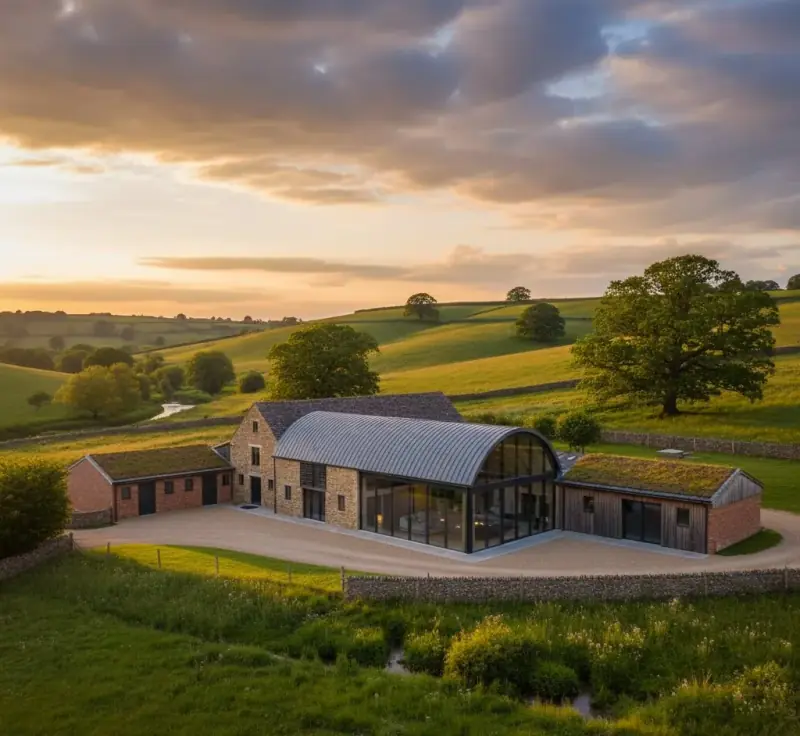
Non-Standard Construction Mortgages: What Counts and Who Lends?
You've found a property you love. It's the right size, the right location, the right price. Then your mortgage application hits a wall because the surveyor has flagged it as "non-standard construction."
This is more common than you'd think. Millions of UK homes were built using construction methods that lenders now classify as non-standard. It doesn't mean the property is unsafe or worthless — but it does mean you need the right lender.
What Counts as Non-Standard Construction?
In mortgage terms, "standard construction" means:
- Brick or block walls (cavity or solid)
- Concrete foundation
- Pitched roof with tiles or slates
- Timber roof structure
Anything that deviates from this is technically non-standard. Here are the main categories:
Timber Frame
Modern timber frame homes are extremely common — many new-build estates use timber frame construction. These are generally well accepted by lenders. The issues arise with older timber frame properties where there may be concerns about maintenance, insulation, or structural degradation.
Most mainstream lenders will consider modern timber frame. Older timber frame may need a specialist.
Steel Frame
Steel-framed homes were popular in certain eras of social housing. The steel can corrode over time, particularly if it wasn't properly protected. Lenders are cautious because structural repairs can be very expensive.
British Iron and Steel Federation (BISF) houses are a specific type you'll encounter. Some have been successfully renovated and are mortgageable — but you'll need evidence of the renovation work.
Concrete Construction (PRC — Pre-Reinforced Concrete)
This is one of the biggest categories and causes the most mortgage headaches. After World War II, the UK faced a massive housing shortage. The government approved dozens of prefabricated and concrete construction systems to build homes quickly. Many of these are still standing — and still lived in.
Common types include:
Wimpey No-Fines — Built by George Wimpey using concrete without fine aggregate (sand), creating a porous structure. Very common, particularly on council estates built in the 1940s–60s. Some lenders will accept them if they've had certain remedial treatments.
Airey houses — Precast concrete columns with concrete panel infill. Designated as defective under the Housing Defects Act 1984. Can be mortgageable if they've been repaired under an approved PRC licence scheme.
Cornish Unit, Reema, Unity, Tarran, Woolaway — Various other concrete panel or precast systems, each with their own quirks. Many were designated as defective housing types.
Mundic Block — Found primarily in Cornwall and parts of Devon. Made with mining waste as aggregate, which can degrade over time. Requires a specific mundic test — Class A (no degradation) is mortgageable with most lenders, Class B (some degradation) is harder, and Class C (significant degradation) is essentially unmortgageable. In areas with significant underground mining history, lenders also assess ground stability — our mineshaft property mortgage guide covers properties in areas where shafts or voids are a specific concern.
PRC repair certificates matter
For most PRC types, the critical question is whether the property has been repaired under a recognised scheme. A PRC Certificate of Structural Completion (sometimes called a PRC licence) from an approved contractor changes the property from "difficult to mortgage" to "mortgageable with many lenders." Without it, your options are severely limited.
Thatched Roofs
Thatched properties are charming but create two mortgage issues: lenders worry about fire risk and maintenance costs. A thatched roof needs replacing every 20–40 years depending on the material (water reed lasts longer than long straw), and the cost can be £20,000–£40,000+.
Many mainstream lenders will consider thatched properties, but you'll need specialist buildings insurance, and the property will need a satisfactory survey confirming the thatch is in good condition.
Flat Roofs
A property where the entire roof is flat causes more concern than one where just an extension has a flat roof. Flat roofs have a shorter lifespan than pitched roofs and are more prone to leaks. For a detailed look at which lenders will consider these properties and what conditions they apply, see our dedicated flat roof mortgage guide.
If the flat roof is in good condition and the surveyor isn't concerned, many lenders will proceed. But if the roof is nearing the end of its life or showing signs of failure, expect conditions or declines.
Other Non-Standard Types
For properties where the land itself poses a risk — for example, former industrial sites with contamination — see our guide to contaminated land mortgages, which covers what lenders require and when environmental surveys are needed.
- Single-skin brick (no cavity) — common in older properties, can have damp issues; our single brick construction mortgage guide covers which lenders will consider these properties
- Cob — traditional earth construction found in the South West
- Straw bale — very niche, very few lenders
- Shipping container conversions — the newest category, extremely limited lending options
- Homes with significant asbestos — depends on type and location within the property
Which Lenders Accept What?
Not all non-standard types face the same reception — lender attitude varies enormously by construction method. You can check which lenders currently accept your specific construction type using our construction lender checker.
Ecology Building Society
If there's one lender that stands out for non-standard construction, it's Ecology Building Society. Based in Keighley, West Yorkshire, they specialise in properties that other lenders won't touch — including:
- Cob and earth construction
- Straw bale
- Timber frame (all ages)
- Properties needing significant renovation
- Eco-builds and self-builds with unusual materials
Their rates may be higher and their loan-to-value ratios lower, but they assess each property on its individual merits rather than applying blanket exclusions.
Nationwide Building Society
Nationwide is more flexible than many high street lenders on construction types. They'll consider:
- Modern timber frame
- Some PRC types with certificates of structural repair
- Concrete construction that's been properly maintained
- Thatched properties with adequate insurance
They won't accept everything — Mundic Class B/C and unrepaired PRC are typically off limits — but they're a good starting point for properties that are slightly non-standard rather than extremely unusual.
Other Lenders to Consider

- Bath Building Society — flexible on older and unusual properties in their lending area
- Furness Building Society — will look at non-standard construction on a case-by-case basis
- Buckinghamshire Building Society — another smaller society with pragmatic underwriting
- Kensington Mortgages — will consider some non-standard construction types, particularly useful if you also have credit issues
The Survey Question
For non-standard construction, the survey is critical. A standard mortgage valuation won't be enough. You'll typically need either a:
RICS Level 2 (HomeBuyer Report) — the minimum for most non-standard types. Identifies obvious defects and concerns.
RICS Level 3 (Full Building Survey) — recommended for older non-standard properties, PRC, and anything where structural integrity is the key question. More expensive but much more thorough.
For PRC properties, you may also need a specific PRC inspection by a surveyor experienced with that construction type. For Mundic Block in Cornwall and Devon, you need a Mundic Block test performed by an RICS-registered surveyor.
The survey cost is your expense regardless of whether the mortgage goes through. Budget £500–£1,500 depending on the type and the property.
Get the survey early
Consider commissioning a full structural survey before you commit too deeply to the purchase. If the survey reveals fundamental problems, it's better to know early. Some non-standard construction issues are deal-breakers regardless of lender, and the survey protects you as much as the mortgage company.
Insurance Complications
Non-standard construction affects your buildings insurance too. Standard insurers may decline cover or charge significantly more for:
- Thatched properties (fire risk)
- Flat-roofed properties (water damage risk)
- Timber frame (fire risk, though modern timber frame is generally fine)
- Listed buildings with non-standard elements (repair costs are higher)
You'll need specialist insurance, which does exist but costs more. Adrian Flux, NFU Mutual (particularly for rural/thatched properties), and Hiscox are names worth investigating. Your lender will require adequate buildings insurance as a condition of the mortgage.
What If the Property Needs Repairs?
Sometimes a non-standard construction property needs work to make it mortgageable. For example:
- A PRC home that hasn't been repaired under a licensed scheme
- A property with a failing flat roof
- A timber frame home with evidence of rot
In these cases, you have options:
Negotiate with the seller to have the work done before completion, or to reduce the price to reflect the cost.
Bridging finance — take out a short-term bridging loan to buy the property, carry out the repairs, then refinance onto a standard mortgage. This is more expensive and carries risk, but it can work. Use our bridging cost calculator to check whether the numbers stack up for your situation.
Renovation mortgages — some lenders offer products where funds are released in stages as renovation work is completed. Ecology Building Society does this. So does Buildstore through their range of self-build and renovation products.
If you are unsure whether your property will pass lender scrutiny, our property check gives you an instant read on mortgageability based on your specific situation.
Practical Steps When Buying Non-Standard
- Find out the exact construction type before you fall in love with the property — ask the estate agent, check the EPC, or look at the original planning documents
- Research that specific type — is it designated as defective? Does it need a PRC certificate? Is there a known issue?
- Commission the right survey — don't skimp on this. A full structural survey is almost always worth it
- Talk to a broker early — they can tell you whether the construction type is going to cause lending problems before you spend money on surveys
- Check insurance availability and cost — factor this into your monthly budget
- If PRC, check for a repair certificate — this single document transforms your lending options
Find out if the property is the problem
Quick check for the construction, lease, cladding, and title issues that get mortgage applications declined — before you spend on a survey.
Get startedWhat to do next
Non-standard construction sounds alarming but it covers a huge range of property types, many of which are perfectly good homes. The mortgage market has options for almost all of them — you just need to know where to look.
The key is identifying the specific construction type early, understanding what lenders need to see, and working with professionals who know this niche. A specialist broker and a thorough surveyor are your best investments.
Sell your property
Need to sell a non-standard construction?
SellTo helps UK homeowners sell any property quickly — cash purchase or auction, no fees to you, and a straightforward process. Get a free, no-obligation offer.
Get a free cash offer →We may earn a commission if you use this service. Affiliate disclosure
Free guide
Get our free guide: Is Your Property Mortgageable? The Definitive Checklist
Plain-English guidance from people who understand complex property and mortgage situations.
Free educational guide. Not financial advice. We will never share your email.
Our exclusive broker partner
Create Finance — for non-standard construction
Create Finance is authorised and regulated by the FCA — Unmortgageable is not. We earn a referral fee from Create Finance only if your mortgage completes through them. This never affects what you pay or what advice you receive.

Unmortgageable is not FCA-authorised. Create Finance is — verify them independently on the FCA Register. See our affiliate disclosure.
This is educational content, not financial advice. Your situation is unique — speak to a qualified mortgage broker before making any decisions.
Related reading
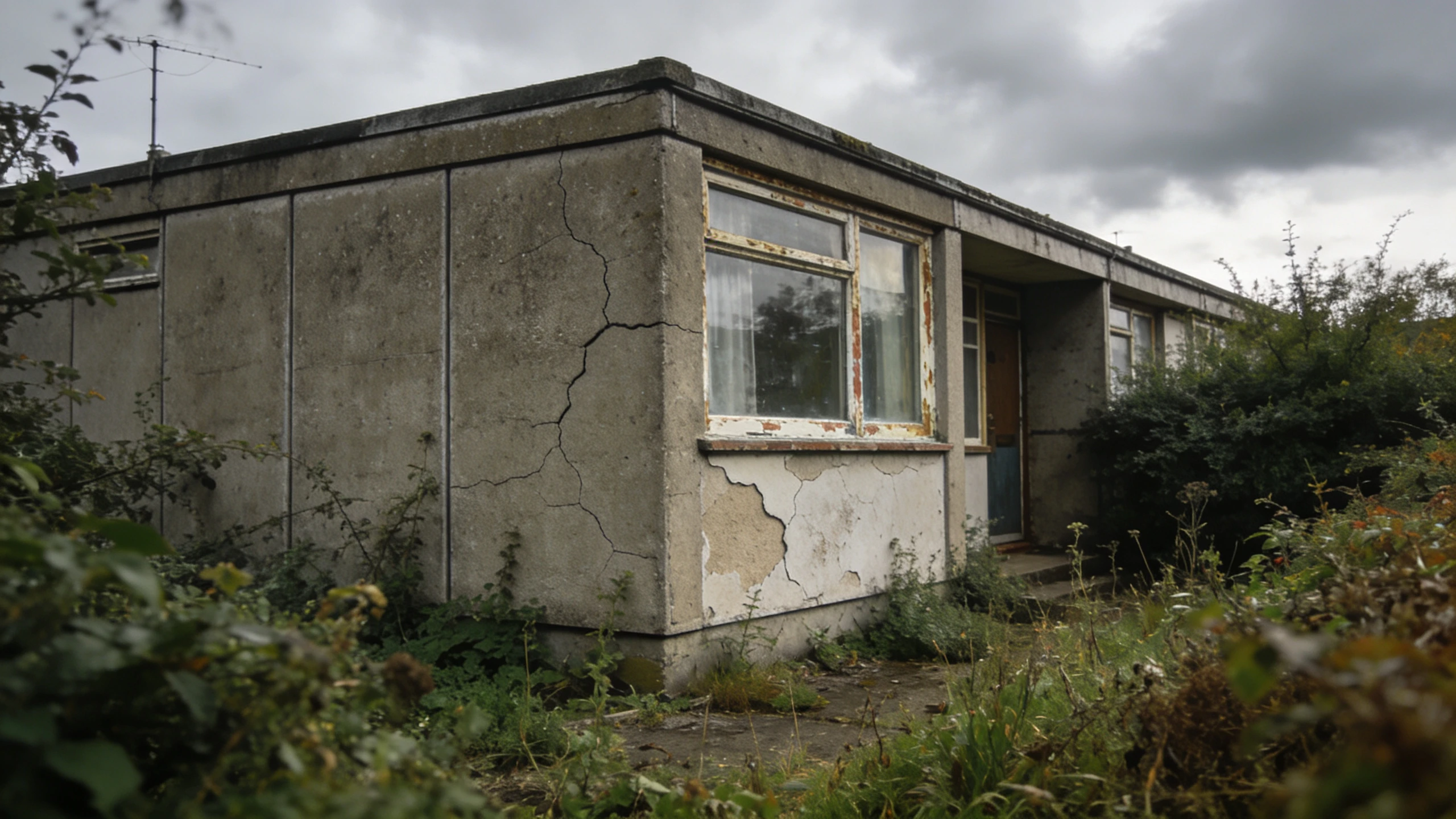
Concrete Construction Mortgages (Wimpey No-Fines, Airey, etc.)
Getting a UK mortgage on a concrete construction home — Wimpey No-Fines, Airey, Reema, Cornish Unit, and more. PRC certificates, remediation, and lending options.
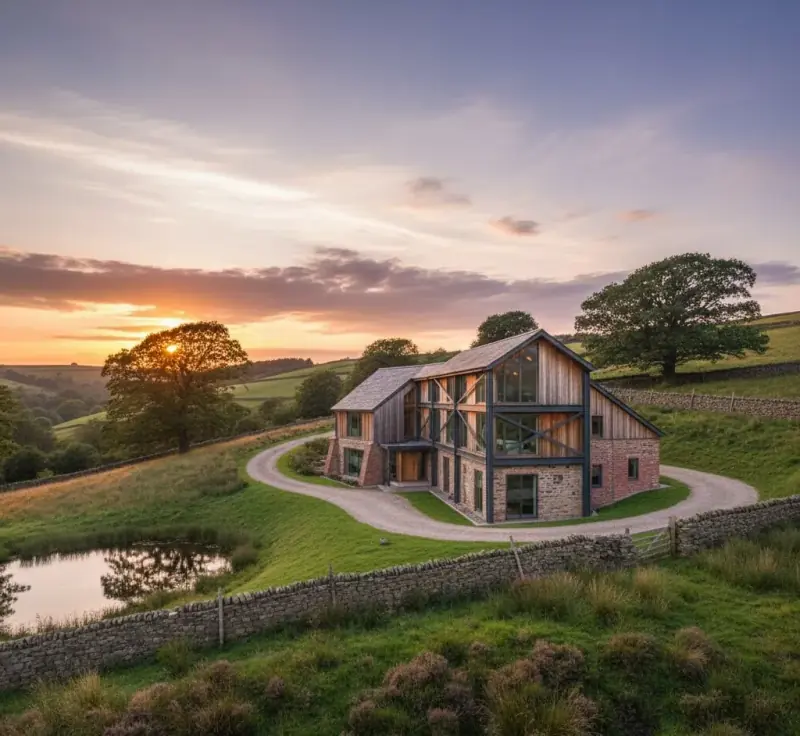
Steel Frame House Mortgage
Getting a UK mortgage on a steel frame house. Learn about BISF homes, modern steel frame, corrosion concerns, and which lenders accept this construction.
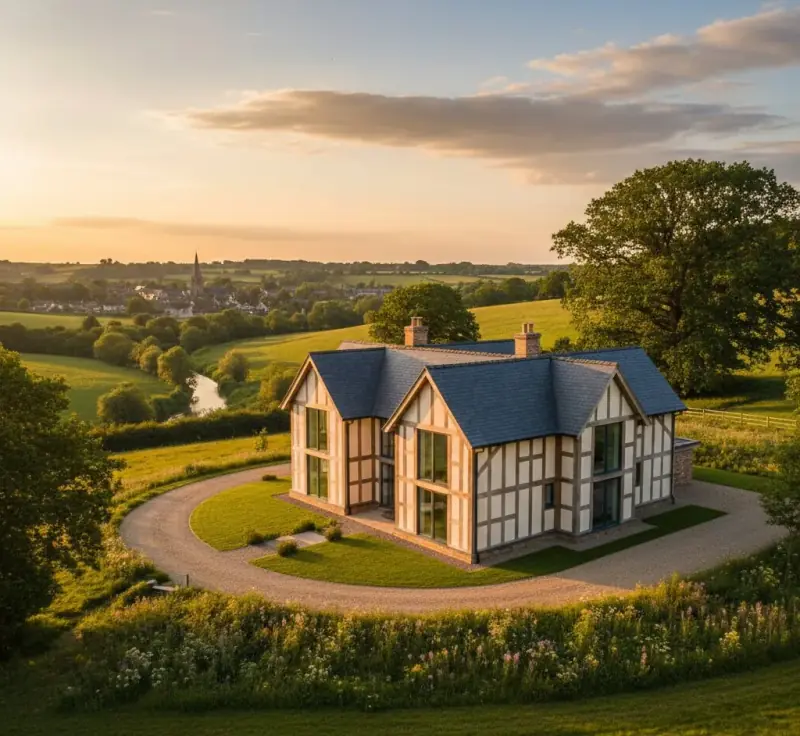
Timber Frame House Mortgage: Who Lends?
Getting a UK mortgage on a timber frame house. Modern vs traditional timber frame, which lenders accept them, and what surveys you need.
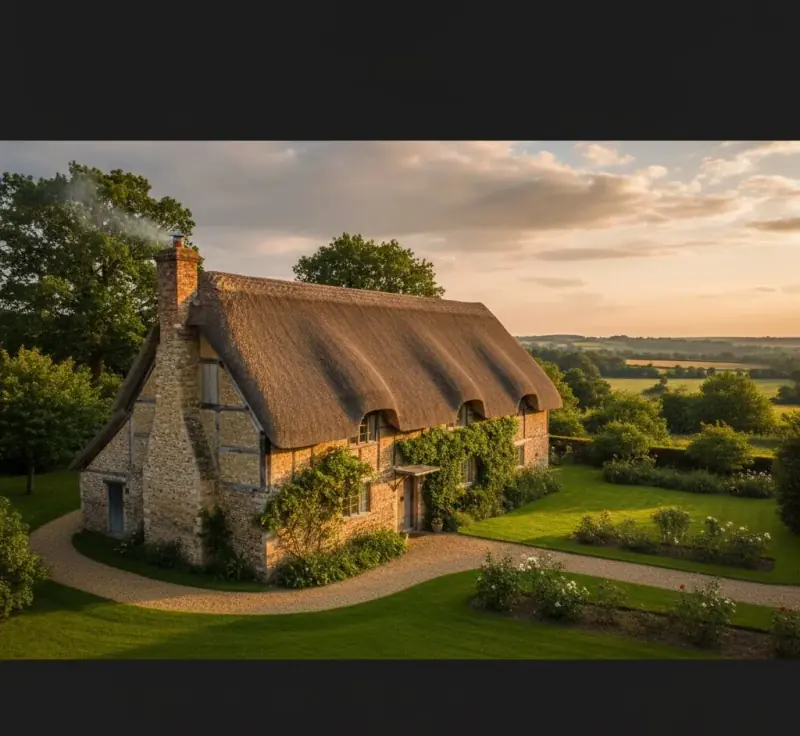
Thatched Roof Mortgage: Specialist Lending
Getting a UK mortgage on a thatched roof property. Fire risk, insurance costs, maintenance budgets, and which lenders accept thatched cottages.
Not sure about your mortgage options?
Find out your options — whether it's your circumstances or your property holding you back. Free, no judgement, no cold calls.
This page is educational content, not financial advice or a personal recommendation. Unmortgageable is not FCA-authorised. Any broker or lender we link to is separately regulated — verify them on the FCA Register before engaging. See our affiliate disclosure.