This is general information, not financial advice. Your circumstances are unique — always speak to a qualified mortgage broker before making financial decisions. This page may contain affiliate links. Affiliate disclosure · Terms
A house fire is one of the most traumatic events a homeowner can face. Once the immediate danger has passed, the question of what to do with the property looms large. Whether you're dealing with superficial smoke damage or a property that's been gutted to its shell, you have more options than you might think — but the route you take depends heavily on the extent of the damage and your financial situation.
Cosmetic vs Structural Fire Damage
The single most important factor in determining your options is whether the damage is cosmetic or structural.
Cosmetic Fire Damage
Cosmetic damage includes smoke staining, soot deposits, superficial scorching, and odour. These are unpleasant and may require significant cleaning and redecoration, but they do not affect the structural integrity of the property.
Properties with only cosmetic fire damage can often be sold through an estate agent in the normal way — particularly if you carry out remediation work first. Mortgage lenders will be concerned if there is visible evidence of fire damage at the valuation stage, so it is worth completing remediation before going to market wherever possible.
Cosmetic fire damage remediation typically costs £2,000–£15,000 depending on the extent. Specialist fire damage restoration companies (rather than general builders) will do a better and faster job.
Structural Fire Damage
Structural fire damage affects the load-bearing elements of the property — roof timbers, floor joists, structural walls, steel supports, or foundations. This is far more serious because:
- Mortgage lenders will not lend on a property that is structurally compromised
- The property may be uninhabitable under building regulations
- Remediation costs can run to tens or even hundreds of thousands of pounds
- Insurers, surveyors, and solicitors will all become involved
If you suspect structural damage, do not enter the property without clearance from the fire service and a structural engineer. Properties with significant structural fire damage will almost certainly need to be sold to cash buyers, through auction, or demolished and rebuilt.
Always Make Your Insurance Claim First
Before you accept any offer, have any remediation work done, or make any decisions about selling, making your insurance claim first is critically important.
Do not carry out remediation before claiming
If you instruct builders to carry out repairs before your insurer has assessed the damage, you may invalidate your claim entirely. Your insurer needs to see the damage in its original state. Even tidying up or clearing debris can affect their assessment. Contact your insurer first — they will arrange a loss adjuster visit.
How the Insurance Claim Process Works
- Notify your insurer immediately — most policies require prompt notification. Delay can be used as a reason to reduce or reject your claim
- The loss adjuster visits — your insurer will instruct an independent loss adjuster to assess the damage and estimate reinstatement costs
- You may instruct your own loss assessor — you are entitled to appoint a public loss assessor (typically 10% of the claim value) who works in your interests rather than the insurer's. For significant claims, this is worth considering
- Settlement negotiation — the insurer will offer a settlement figure. This may be for reinstatement (repair) or cash in lieu
- Payment — once agreed, the insurer pays out. For reinstatement, they may pay builders directly or pay you to instruct repairs
When Insurance Doesn't Cover the Full Repair
Insurance disputes over fire damage are surprisingly common. Your claim may be reduced or disputed if:
- Under-insurance — your buildings insurance sum insured was lower than the actual reinstatement cost. This is common because many homeowners haven't updated their cover in years
- Policy exclusions — some policies exclude arson, or fires caused by specific activities
- The property was unoccupied — most policies restrict cover if the property has been empty for more than 30–60 days
- The fire was caused by tenant negligence — if you are a landlord, the situation becomes more complex
- Disputed liability — if a neighbouring property or third party caused the fire, there may be a liability dispute
If your insurer's offer is insufficient, you can challenge it via the Financial Ombudsman Service. Before doing so, get your own independent assessment of reinstatement costs.
Getting a Professional Fire Damage Assessment
Whether or not you intend to claim on insurance, a professional fire damage assessment is essential before selling. This assessment should be carried out by:
- A Chartered Building Surveyor (RICS-qualified) experienced in fire damage
- A structural engineer if there is any concern about structural integrity
- A specialist fire damage restoration company for a remediation estimate
The assessment will tell you:
- The extent and nature of the damage (cosmetic vs structural)
- Whether the property is safe to enter and occupy
- Estimated reinstatement costs
- Whether demolition and rebuild is more economical than repair
A RICS-level survey for a fire-damaged property typically costs £400–£900 depending on size and complexity. This is money well spent — it gives you a credible basis for negotiating with buyers and insurers.
Selling As-Is: Your Options
If you decide not to repair the property — because the insurance settlement was insufficient, you can't afford to wait, or you simply want to move on — there are two main routes: cash buyers and auction.
Selling to a Cash Buyer
Specialist cash house buying companies can purchase fire-damaged properties in any condition, quickly. They do not require mortgage finance, so the mortgageability of the property is irrelevant.
Typical process:
- You contact a cash buyer and provide details and photographs
- They carry out a desktop valuation and then an in-person inspection
- They make an offer — usually within 24–48 hours
- If you accept, they instruct solicitors and can complete in as little as 7–21 days
Pricing: Cash buyers will offer significantly below market value to account for the condition and their profit margin. For cosmetic damage, expect offers of 85–90% of post-repair value. For severe structural damage, offers may be 65–75% of undamaged market value — sometimes lower.
Use only NAPB members for cash sales
When selling to a cash buying company, use only members of the National Association of Property Buyers (NAPB). Members are vetted, cannot charge upfront fees, and must comply with the Property Ombudsman scheme. Unregulated cash buyers are common in the fire-damaged property space and some use predatory tactics.
Selling at Auction
Auction is often the best route for structurally compromised properties. Here's why:
- Transparency — the condition is openly disclosed; buyers know what they're bidding on
- Competitive bidding — if multiple investors want the site, competition can push the price higher than a private cash sale
- Certainty — once the hammer falls, the sale is legally binding
- Speed — completion typically occurs within 28 days of the auction
For a fire-damaged property, auction guide prices are typically set at 60–75% of the undamaged value, depending on the extent of damage. The final hammer price may be higher if there is strong investor interest.
Costs to consider:
- Auction entry fee: typically £300–£600
- Commission: typically 1.5–2.5% + VAT of the sale price (some auctions charge the buyer a premium instead)
- Legal pack preparation: £300–£700
Typical Discount Expectations
Understanding realistic pricing is essential for setting expectations.
| Damage Level | Description | Typical Discount |
|---|---|---|
| Minor cosmetic | Smoke/soot, no structural concern | 5–10% |
| Moderate cosmetic | Significant decoration needed, possible minor structural | 10–20% |
| Moderate structural | One room/floor affected structurally | 20–30% |
| Severe structural | Substantial structural damage, roof, floor joists | 25–35% |
| Catastrophic | Property gutted or shell only | 35–50%+ |
These figures are rough guides. The actual discount will depend on location, land value, rebuild costs, and buyer demand.
Sell your property
Need to sell a fire-damaged property?
SellTo helps UK homeowners sell any property quickly — cash purchase or auction, no fees to you, and a straightforward process. Get a free, no-obligation offer.
Get a free cash offer →We may earn a commission if you use this service. Affiliate disclosure
Demolition and Rebuild
For properties with catastrophic fire damage, demolition and rebuild may be more economical than repair. In some cases, the land value alone makes this a commercially sensible proposition.
If you have received an insurance settlement, the insurer may agree to pay out on a demolition-and-rebuild basis rather than reinstatement. This requires negotiation with the loss adjuster.
Planning Considerations for Rebuild
If you are selling a fire-damaged property to a developer or builder who intends to demolish and rebuild, planning considerations are relevant:
- Permitted Development Rights (PDR) — in many cases, you can rebuild a like-for-like property without full planning permission, but this is not universal
- Listed buildings — if the property is listed, any rebuild will require Listed Building Consent and must adhere to strict requirements even for a like-for-like rebuild
- Conservation areas — similar restrictions apply
- Change of use — if a buyer wants to rebuild as something different (e.g., flats instead of a house), they will need planning permission
- Building regulations — a new build must comply with current building regulations, which may differ from the original construction
A property where planning permission for rebuild is already in place (or where PDR clearly applies) will attract a higher price from developers.
Telling Buyers: Disclosure Obligations
You have a legal obligation to disclose known material facts about the property, including fire damage. This applies whether you are selling privately, through an estate agent, or at auction. Attempting to conceal fire damage from a buyer is fraud.
In practice, transparent disclosure is also in your interest: buyers who discover undisclosed damage after exchange of contracts can pursue legal action, and failed sales waste everyone's time.
Tax Considerations
If your insurance pays out more than you paid for the property, there may be a Capital Gains Tax consideration — though this is unusual for a primary residence (which benefits from Private Residence Relief). If the property is a buy-to-let or investment property, tax advice is worth taking before you settle your claim.
Steps to Take After a House Fire
- Secure the property — instruct your insurer and a specialist board-up company if necessary
- Notify your insurer immediately — before any work is done
- Consider appointing a loss assessor — for large claims, they can significantly increase your payout
- Commission a professional assessment — RICS surveyor and structural engineer if needed
- Get the insurance claim settled — do not sell until you know what you're receiving
- Decide on your route — repair and sell, auction, or cash buyer
- If selling as-is, instruct solicitors — fire-damaged property sales can involve complex title and disclosure issues; experienced conveyancers are essential
Energy Performance Certificate
SponsoredNeed an EPC for your property?
You're legally required to have an Energy Performance Certificate before selling or letting. Order one online — typically arranged within 48 hours.
Order an EPCWe may earn a commission if you use this service. Affiliate disclosure
Our exclusive broker partner
Create Finance — for property condition issues
Create Finance is authorised and regulated by the FCA — Unmortgageable is not. We earn a referral fee from Create Finance only if your mortgage completes through them. This never affects what you pay or what advice you receive.

Unmortgageable is not FCA-authorised. Create Finance is — verify them independently on the FCA Register. See our affiliate disclosure.
This is educational content, not financial advice. Your situation is unique — speak to a qualified professional before making any decisions.
Find out if the property is the problem
Quick check for the construction, lease, cladding, and title issues that get mortgage applications declined — before you spend on a survey.
Get startedRelated reading
Selling a Property Under Debt Pressure: CCJs, Bankruptcy, and IVA
How to sell a property when you have CCJs, are in bankruptcy, or are in an IVA. How charging orders work, trustee requirements, voluntary vs forced sale, and your options.

Cash Buyer vs Auction vs Estate Agent: Which Route Is Right for You?
Head-to-head comparison of the three main property selling routes in the UK. Speed, price, certainty, costs, and a decision guide to help you choose.
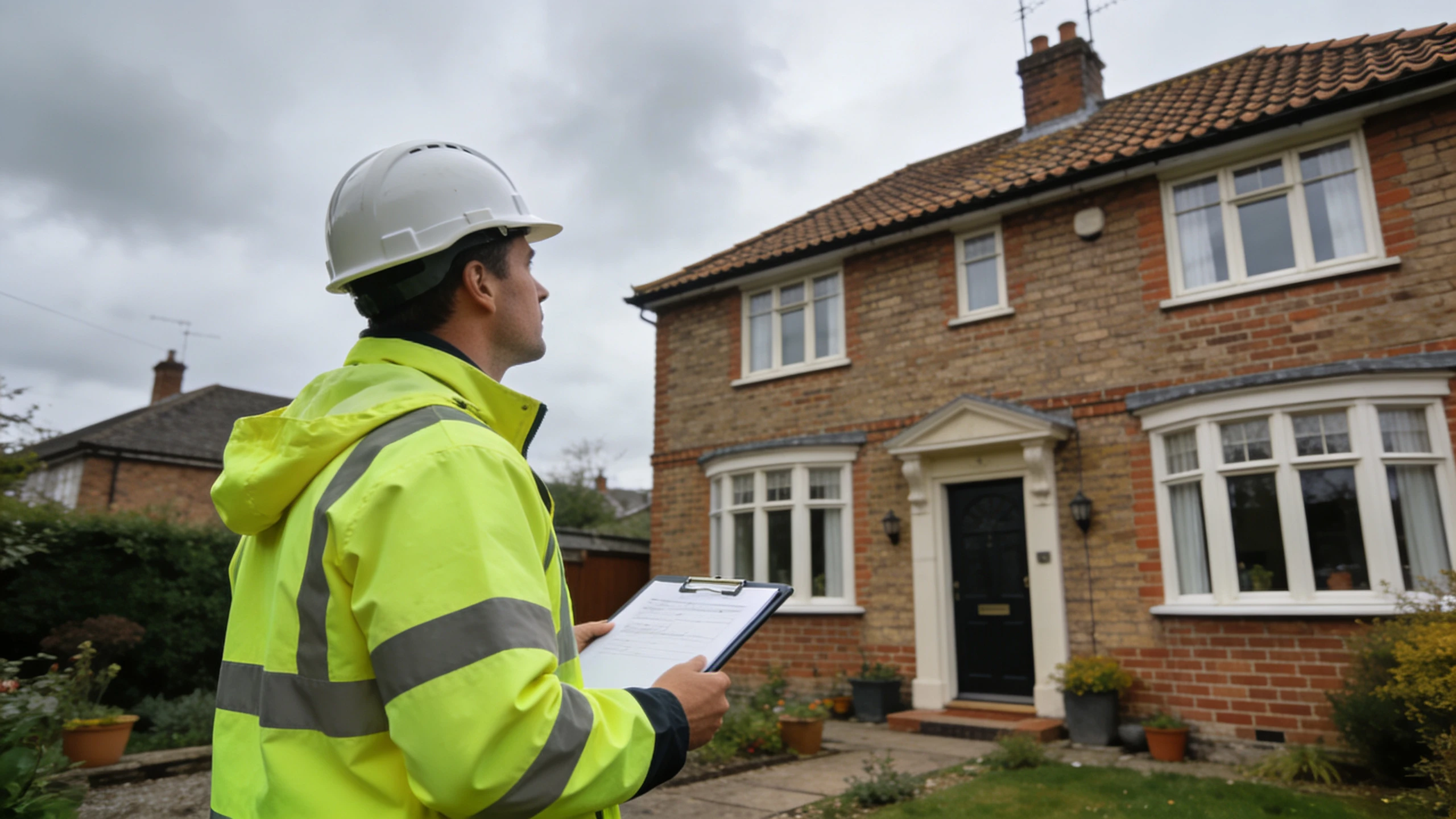
Getting a Structural Survey in the UK: What to Expect
Level 2 vs Level 3 RICS surveys, when to instruct a structural engineer, costs, timelines, and how survey findings affect mortgage lending.
Property That Won't Sell: What to Do After 6+ Months on the Market
Why properties sit on the market for 6+ months and what to do about it. Overpricing, poor marketing, property issues, relisting strategies, auction, and cash buyer options.
Not sure about your mortgage options?
Find out your options — whether it's your circumstances or your property holding you back. Free, no judgement, no cold calls.
This page is educational content, not financial advice or a personal recommendation. Unmortgageable is not FCA-authorised. Any broker or lender we link to is separately regulated — verify them on the FCA Register before engaging. See our affiliate disclosure.