This is general information, not financial advice. Your circumstances are unique — always speak to a qualified mortgage broker before making financial decisions. This page may contain affiliate links. Affiliate disclosure · Terms
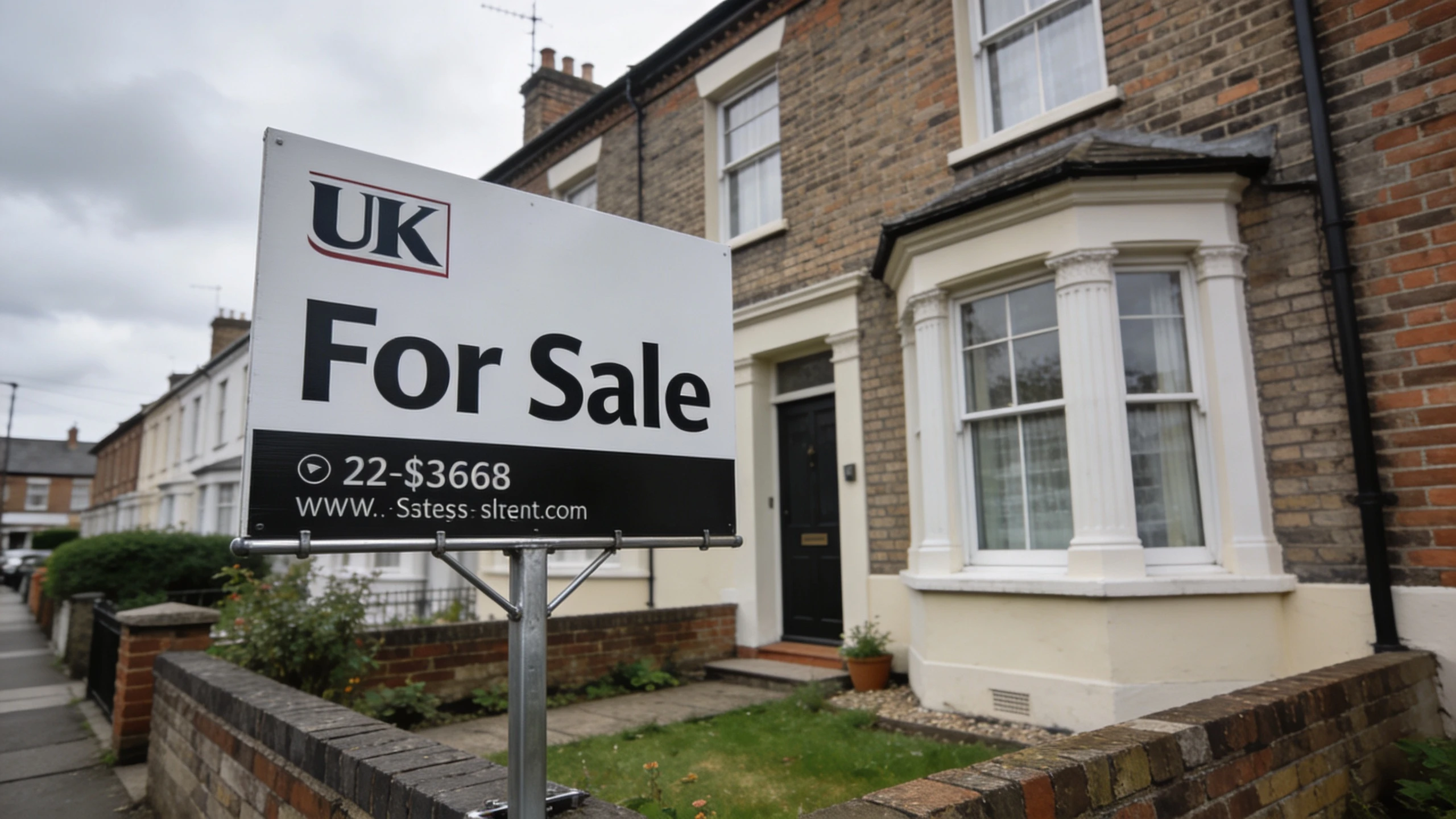
When debt pressure reaches the point where your home is at risk, understanding your options is critical. Whether you have County Court Judgements (CCJs) that have been converted into charging orders, are partway through an IVA, or are in formal bankruptcy, there are specific legal processes that apply — and specific decisions that can make a material difference to how much equity you retain.
How CCJs Become Charging Orders
A County Court Judgement (CCJ) is a court order confirming that you owe money to a creditor. On its own, a CCJ does not give a creditor any direct claim over your property. But if you fail to pay the CCJ, the creditor can take an additional step: applying for a charging order.
What Is a Charging Order?
A charging order converts an unsecured debt into a debt secured against a specific asset — usually your home. Once a charging order is registered against your property:
- It appears in the charges section of your property's Land Registry title register
- It must be repaid when the property is sold (from the sale proceeds)
- The creditor cannot normally force a sale simply because the charging order exists — they need a further court order for that
The Order for Sale
After obtaining a charging order, a creditor can apply to the court for an order for sale — a court order requiring the property to be sold so the debt can be repaid from the proceeds. Courts do not grant these automatically. They balance:
- The size of the debt relative to the equity in the property
- The impact on any other occupants (particularly children)
- Whether the property is the borrower's only home
- How long the debt has been outstanding
For smaller debts (under £1,000, and arguably up to around £5,000–10,000), courts are reluctant to grant orders for sale, particularly if the home is the family residence. For larger debts, especially where there is significant equity, the court's approach is less protective.
Practical Implications for Selling
If there is a charging order on your property and you wish to sell voluntarily:
- Your solicitor will identify the charging order through the title register
- The amount secured by the charging order must be repaid from the sale proceeds on completion
- If there are multiple charges (mortgage, multiple charging orders), they are repaid in order of priority
- You receive whatever equity remains after all charges are settled
This is straightforward — the charging order does not prevent a voluntary sale, it simply means the creditor gets paid from the proceeds.
Consider clearing charging orders before selling if possible
If you have small charging orders and sufficient equity, clearing them before putting the property on the market can simplify the sale significantly. Buyers and their solicitors are sometimes nervous about properties with registered charges, even where there is ample equity to cover everything. A cleaner title makes for a smoother transaction.
Selling During Bankruptcy
Bankruptcy is the most significant of the three scenarios, because it has a fundamental legal effect on property ownership.
What Happens to Your Property in Bankruptcy?
When a bankruptcy order is made, legal ownership of most of your assets — including any property you own — passes to the Official Receiver and then to your trustee in bankruptcy (if one is appointed). You remain in physical occupation of your home, but the trustee effectively becomes the legal owner for the purpose of realising assets for creditors.
The Trustee's Three-Year Window
The trustee has three years from the date of the bankruptcy order to deal with your interest in your home. After three years, if the trustee has not taken steps to realise the property, your interest automatically reverts to you (under the Insolvency Act 1986, as amended). This three-year window is important:
- If the trustee can demonstrate equity in the property, they will typically seek to realise it
- If there is no equity (or negative equity), they may disclaim the interest rather than pursue a sale
- If the trustee is slow to act and the three-year period expires, the bankrupt's interest in the home is returned
The Trustee's Options
During the three-year window, the trustee can:
- Sell the property with the bankrupt's cooperation — the preferred outcome for everyone, typically producing the best price
- Apply for an order for possession and sale — through the court, if the bankrupt does not cooperate or there are other occupants whose interests must be overridden
- Agree to allow the bankrupt to buy back their interest — sometimes the trustee will negotiate a buyout figure, particularly where there is limited equity or a family member can raise funds
- Wait — sometimes the trustee waits to see whether equity increases before acting
Voluntary Sale During Bankruptcy
If you want to sell your property while in bankruptcy, you must:
- Get the trustee's agreement — you cannot sell unilaterally. The trustee controls the legal title.
- Use a solicitor who understands insolvency property transactions
- Ensure all sale proceeds go through the trustee, who distributes them to creditors according to the priority rules
In practice, a voluntary sale agreed with the trustee is almost always better than a forced sale. You have more control over timing, marketing, and price — and a higher price means more money for creditors (which the trustee also wants) as well as the possibility of retaining some equity if the proceeds exceed the bankruptcy debts.
Forced Sale: The Order for Possession
If a voluntary sale cannot be agreed, the trustee can apply to court for an order for possession and sale. Courts must make this order unless the interests of the creditors are outweighed by other factors — in practice, this protection mainly applies where there are minor children in the property. Even then, it is usually a delay rather than a permanent block.
Forced sales are damaging:
- Lower price: Repossession sales are often at 10–25% below open market value
- Speed pressure: You may be given limited time to vacate
- Cost: Court and trustee costs come out of the sale proceeds before you see anything
The message is consistent: engaging with the trustee early and pursuing a voluntary sale is almost always the better path.
Discharge From Bankruptcy
Most bankruptcies in the UK discharge after 12 months. Discharge means your debts are written off and restrictions are lifted. However, the trustee's interest in your property can continue after discharge — because the three-year property window runs independently of the discharge period. Being discharged from bankruptcy does not automatically return your home to you.
Selling During an IVA (Individual Voluntary Arrangement)
An IVA is a formal insolvency procedure that allows you to make a structured repayment to creditors over a period — typically five or six years — under the supervision of a licensed insolvency practitioner (IP). Unlike bankruptcy, you do not lose legal ownership of your assets.
Your Property in an IVA
If you own property with equity at the time your IVA begins, your IP and your creditors will be aware of it. The equity in your home is usually treated as an asset available to creditors. The standard approach in most IVAs is:
- In the fourth or fifth year, you are asked to have the property revalued
- You are required to try to release equity through remortgaging (up to 85% LTV) and pay the released equity into the IVA
- If remortgaging is not possible (due to credit issues or lender refusal), the IVA term may be extended by 12 months instead
Selling During an IVA
If you want to sell your property during an IVA:
- Notify your insolvency practitioner immediately — this is a significant change in circumstances
- The IP will assess the equity position and determine how much of the proceeds are required for the IVA
- Any surplus equity above your essential needs may need to go into the IVA
- The IP can agree to a sale and will coordinate with your solicitor on how proceeds are distributed
You cannot simply sell the property and keep the money without your IP's knowledge — doing so would be a breach of your IVA and could result in it failing and your creditors petitioning for bankruptcy.
When Selling Makes Sense in an IVA
Sometimes selling the property is the right outcome for an IVA — for example, if:
- You are in arrears on the mortgage and cannot sustain the payments
- The property has enough equity to settle the IVA and leave you with something
- You need to downsize for personal reasons and the IP agrees the arrangement can be varied
The key is that the IP must approve any sale and the distribution of proceeds. A cooperative, transparent approach produces the best outcome.
Voluntary Sale vs Forced Sale: Why It Matters
The single most important thing to understand about selling under debt pressure is that you almost always get a better outcome from a voluntary sale than a forced one.
| Factor | Voluntary Sale | Forced Sale |
|---|---|---|
| Price achieved | Closer to market value | Typically 10–25% below market |
| Control over timing | Yes | No |
| Control over buyer | Yes | No |
| Legal costs | Standard | Higher (court and trustee costs added) |
| Emotional stress | Less | More |
| Likelihood of retaining equity | Higher | Lower |
Acting Early
The single biggest mistake people in financial difficulty make with their property is waiting. The earlier you act:
- The more options remain open to you
- The more likely a voluntary sale can be arranged without court proceedings
- The less equity is lost to accruing interest, legal costs, and time pressure
If you are struggling to meet your mortgage payments, have charging orders on your property, or are considering insolvency, taking advice at the earliest possible stage — from a debt adviser, solicitor, or insolvency practitioner — gives you the best chance of retaining something from the sale.
Selling Quickly Under Debt Pressure
When time is short, achieving the best price quickly is a priority. Options to consider include:
- Auction: Modern Method of Auction or traditional auction can produce a sale within 4–12 weeks. Auction prices are often below open market value, but the speed and certainty can be worth it under debt pressure.
- Cash buyer companies: Specialist buyers who purchase quickly (sometimes in 7–28 days) at a discount to market value. The discount can be significant (10–25%), but if the alternative is a forced sale or further accruing costs, this may be the better outcome.
- Traditional estate agent with an aggressive price: Sometimes a property correctly priced at slightly below market value will attract quick offers from mainstream buyers, producing a faster sale without the cash buyer discount.
Use our selling route comparison tool to estimate net proceeds from each route so you can see which option leaves the most after debts are cleared.
Sell your property
Need to sell to clear debt?
SellTo helps UK homeowners sell any property quickly — cash purchase or auction, no fees to you, and a straightforward process. Get a free, no-obligation offer.
Get a free cash offer →We may earn a commission if you use this service. Affiliate disclosure
Getting Advice
Selling a property under debt pressure is an area where professional advice is essential. The relevant advisers include:
- Insolvency practitioner — if you are in or considering bankruptcy or an IVA
- Debt adviser — free debt advice is available from National Debtline (0808 808 4000), StepChange (0800 138 1111), and Citizens Advice
- Solicitor — for conveyancing and understanding charging orders and title issues
- Mortgage broker — if you are trying to refinance to reduce payment pressure before selling
Your next move
Selling a property under debt pressure is one of the most stressful situations a homeowner can face, but it is manageable with the right advice and early action. Understanding whether you are dealing with charging orders, bankruptcy, or an IVA determines what permissions and processes apply — and in every case, voluntary cooperation with the relevant parties (trustee, IP, or creditors) produces better outcomes than waiting for forced proceedings.
Energy Performance Certificate
SponsoredNeed an EPC for your property?
You're legally required to have an Energy Performance Certificate before selling or letting. Order one online — typically arranged within 48 hours.
Order an EPCWe may earn a commission if you use this service. Affiliate disclosure
Our exclusive broker partner
Create Finance — for financial difficulty or debt pressure
Create Finance is authorised and regulated by the FCA — Unmortgageable is not. We earn a referral fee from Create Finance only if your mortgage completes through them. This never affects what you pay or what advice you receive.

Unmortgageable is not FCA-authorised. Create Finance is — verify them independently on the FCA Register. See our affiliate disclosure.
This is educational content, not financial or legal advice. Your situation is unique — speak to a qualified debt adviser, insolvency practitioner, or solicitor before making any decisions.
Related reading

Mortgages After Bankruptcy, IVA or CCJ: How Long Do You Wait?
UK guide to getting a mortgage after bankruptcy, IVA, or CCJ. Timelines, which lenders consider you at each stage, and what to do while you wait.

Mortgage with a CCJ: How Old Is Old Enough?
Can you get a UK mortgage with a CCJ? We explain how age, size, and satisfaction status affect your options with real lender criteria.

Mortgage with an IVA: During and After
Can you get a UK mortgage during or after an IVA? Timelines, lender criteria, what to do while you wait, and realistic expectations at each stage.

Getting a CCJ Set Aside: When and How
How to get a CCJ set aside in the UK. When you can apply, the court process, costs involved, and how it affects your credit file and mortgage prospects.
Not sure about your mortgage options?
Find out your options — whether it's your circumstances or your property holding you back. Free, no judgement, no cold calls.
This page is educational content, not financial advice or a personal recommendation. Unmortgageable is not FCA-authorised. Any broker or lender we link to is separately regulated — verify them on the FCA Register before engaging. See our affiliate disclosure.