This is general information, not financial advice. Your circumstances are unique — always speak to a qualified mortgage broker before making financial decisions. This page may contain affiliate links. Affiliate disclosure · Terms

Proximity to a mineshaft is a different problem from mining subsidence — and lenders treat the two differently. A property can sit in a former coalfield area and be entirely routine to mortgage. But a property directly above or adjacent to a mapped mine entry is a more specific risk that requires a different approach from buyers, surveyors, and lenders alike.
The Coal Authority Mining Search Explained
The Coal Mining Search — formally known as the CON29M — is a standard part of conveyancing in coalfield areas. Conducted through the Coal Authority (the government body responsible for managing coal mining legacy in the UK), it provides a detailed report on the mining history and current risk profile of the land on which a property sits.
The CON29M reveals:
Mine entries: Recorded shafts, adits (horizontal tunnels), and drifts (inclined tunnels) within or near the property boundary. The Coal Authority holds a database of known mine entries, though not every historic shaft has been recorded. The report specifies whether any mine entries are within the site boundary itself or in proximity.
Development high risk area (DHRA) status: Whether the property falls within an area where past coal working is present at depths shallow enough to pose a risk to surface stability or development.
Surface coal resource areas: Areas where coal exists at shallow depths. This does not necessarily mean active risk, but it forms part of the risk picture.
Past surface mining: Whether any opencast or surface mining has previously been carried out on or near the site.
Subsidence notices and Remedial Notices: Whether any formal Coal Authority notices have been issued relating to the property — indicating that mining-related ground movement has occurred or is anticipated.
Historic claims: Whether any applications have been made to the Coal Authority relating to mining subsidence damage at the property.
The search costs around £34 through the Coal Authority and is arranged by your conveyancer as part of the standard conveyancing search bundle.
The CON29M versus a full mining risk report
The CON29M provides the factual data — it lists what the Coal Authority records show. For properties where the search reveals mine entries or high risk area status, a qualified mining risk assessor can produce a more detailed interpretive report, explaining the specific risk level and any mitigation that has been put in place. This interpretive report is often what lenders and insurers need to make a decision.
Mineshaft Proximity vs Subsidence Damage: Two Separate Issues
The distinction matters for mortgage purposes:
Mineshaft proximity is a risk factor. It means the property is near a recorded mine entry — a shaft, adit, or drift. The shaft may have been sealed, stabilised, or filled. There may have been no movement for a hundred years. The lender's concern is whether the proximity creates ongoing risk to the property, and whether the shaft has been properly managed.
Mining subsidence damage is an existing problem. It means the ground has already moved — usually causing cracking, tilting, or structural damage to the property. This triggers a very different lender response, and typically requires a Coal Authority claim process before a mortgage can proceed.
Most properties near mineshafts have no current damage. The question is whether the proximity creates sufficient uncertainty that a lender is unwilling to treat the property as adequate security.
What the CON29M Reveals About Mine Entries
When the Coal Authority holds a record of a mine entry, the search will show:
- The type of entry (shaft, adit, drift, or surface feature)
- Its location relative to the property (within the site boundary, or within a defined proximity buffer)
- Whether any Coal Authority treatment has been carried out (shaft filling, capping, or stabilisation)
- The date of any recorded treatment
The Coal Authority has treated thousands of mine entries — particularly in former coalfield areas — by filling, capping, or grouting shafts. A treated shaft carries a different risk profile than an untreated one.
Unmapped shafts exist
The Coal Authority's records are comprehensive but not complete. Shafts sunk before systematic record-keeping, shafts on private land that were never formally recorded, and some smaller mine entries may not appear in the database. In Cornwall, Devon, and parts of Wales, non-coal mining shafts are not covered by the CON29M at all — different searches apply.
How Lenders Assess Mineshaft Proximity
Lenders do not apply a single universal rule. The assessment depends on several factors:
Distance from the shaft: There is no universal "safe" distance, but the closer the mine entry to the property — particularly to its foundations — the more significant the concern. A shaft 50 metres from the building is assessed differently from one 5 metres from the foundations.
Whether the shaft has been treated: A capped and filled shaft recorded as treated by the Coal Authority carries significantly less risk than an open, unmapped shaft. Treated shafts are generally more acceptable to lenders.
Development high risk area status: Properties within a DHRA face more scrutiny, as the area is classified as having shallow workings that could affect surface stability.
Whether a mining risk report has been obtained: Many lenders — particularly mainstream lenders dealing with borderline cases — will ask for an interpretive mining risk report from a qualified mining engineer or geological surveyor. This report typically costs £200-500 and assesses the specific risk in context.
The age and construction of the property: A modern property with engineered foundations may be better equipped to withstand ground movement than a Victorian terrace. The surveyor will consider this.
Any history of movement at the property: If there is no evidence of past movement, and the shaft has been treated, the case for lending is stronger.
Which Lenders Accept Mineshaft Proximity?
Properties in Coalfield Areas with No Specific Shaft Concern
Where the CON29M confirms the property is in a coalfield area but does not reveal mine entries directly within or adjacent to the site, mainstream lenders — including Halifax, Nationwide, NatWest, Barclays, and Santander — will generally proceed. Being in a former coalfield area, without a specific proximity flag, does not typically prevent a mainstream mortgage.
Properties with Mine Entries in Proximity
Where the CON29M reveals a mine entry within the site boundary or very close to the building:
Larger mainstream lenders often decline or refer for further investigation. Their automated systems may flag the mine entry and require a human underwriter's review.
Specialist lenders — including Precise Mortgages, Shawbrook Bank, and Together Money — are more likely to consider these applications, particularly where a detailed mining risk report is available and concludes that the risk is manageable.
Local building societies in coalfield areas — such as those operating in South Yorkshire, Nottinghamshire, or South Wales — sometimes have more experience and flexibility with mining area properties than national lenders headquartered elsewhere.
The Role of the Mining Risk Report
For borderline cases, a mining risk report produced by a qualified professional (a chartered geologist or mining engineer registered with the Geological Society or equivalent body) can make the difference. A report that concludes the shaft is treated, stable, and presents minimal current risk gives lenders something concrete to work from rather than an unquantified flag on a database.
Insurance Implications of Mineshaft Proximity
Buildings insurance for properties near mine entries is available from the standard market in most cases, particularly where:
- The Coal Authority's statutory guarantee applies (for coal mining-related damage)
- The shaft is recorded as treated
- There is no history of movement at the property
However, standard insurers may decline or charge elevated premiums for properties directly above untreated mine entries or in the most active high risk areas. Specialist property insurers — those operating in the non-standard property market — can usually provide cover, though at higher premiums.
Disclose the mining search results to your insurer. Failure to do so can invalidate future claims.
Areas Most Affected
Mineshaft proximity issues arise wherever coal and other minerals have been mined historically:
South Yorkshire and Derbyshire: The historic South Yorkshire coalfield covers large areas around Doncaster, Rotherham, Barnsley, and Sheffield. Dense mine entry records reflect centuries of coal extraction.
Nottinghamshire: The East Midlands coalfield covers much of Nottinghamshire, with significant concentrations of former pits around Mansfield, Nottingham's northern fringes, and the Erewash Valley.
South Wales: One of the UK's most extensive coalfield areas, running from Swansea through the Valleys to Cardiff. The density of historic shafts in some valley communities is significant.
County Durham and Tyne and Wear: The North East coalfield has extensive records of shaft locations, particularly in the areas between the coast and the Pennines.
The Midlands: Parts of Staffordshire, Warwickshire, and Leicestershire have coal mining histories with associated mine entry records.
Central Scotland: The Scottish Midlands — Lanarkshire, Lothian, and Fife — have significant coalfield legacies, though the search mechanism differs from England and Wales (the CON29M does not cover Scotland).
Cornwall and Devon: Non-coal mining shafts are common here. The CON29M does not cover these areas — instead, a Cornwall Mining Search or specialist tin and copper mining search is needed. This is a different search with different providers.
Non-coal mining in Scotland and Cornwall
Scotland's coal mining legacy is managed by the Coal Authority but the search mechanism differs slightly. For non-coal mining areas — Cornwall, Devon, parts of Wales, the Peak District — you need area-specific searches rather than the CON29M. Your conveyancer should identify the correct searches for your location.
What to Do If the Search Reveals a Mine Entry
If the CON29M reveals a mine entry in proximity to the property:
-
Do not panic. Many properties with mine entry records have been mortgaged and insured without difficulty, particularly where the shaft is treated and the risk report is reassuring.
-
Commission a mining risk report. A qualified mining engineer or chartered geologist can assess the specific risk and produce a written report. This report is the key document for lenders and insurers.
-
Check the Coal Authority records. The Coal Authority can confirm whether any treatment has been carried out on the shaft and when.
-
Use a specialist broker. A broker with experience in mining area properties will know which lenders are actively operating in this space and what documentation they require.
-
Consider a full Level 3 Building Survey. A comprehensive survey can confirm whether there is any current evidence of ground movement or structural disturbance at the property.
-
Budget for a longer process. Cases involving mine entry proximity take longer to resolve. Lenders may need more information, and the underwriting process is less automated.
The Value Impact
For most properties in former coalfield areas, the mining history has no significant impact on value — these are large areas where prices reflect regional market conditions rather than mining-specific discounts.
For properties where the CON29M reveals specific mine entry proximity, a discount relative to comparable properties without that flag is typical:
- Treated shaft in proximity: Often 5-10% below comparable properties, reflecting the reduced buyer pool and additional complexity
- Untreated or unmapped shaft: Potentially 10-20% below, reflecting greater uncertainty
- Property with active Coal Authority subsidence claim: While the claim is open, discounts of 15-25% are common; once resolved, values generally recover
If mineshaft proximity makes mortgage approval difficult, selling directly for cash may be the fastest route. SellTo offers free cash valuations with no fees to the seller.(affiliate)
Our exclusive broker partner
Create Finance — for mining area and mineshaft proximity properties
Create Finance is authorised and regulated by the FCA — Unmortgageable is not. We earn a referral fee from Create Finance only if your mortgage completes through them. This never affects what you pay or what advice you receive.

Unmortgageable is not FCA-authorised. Create Finance is — verify them independently on the FCA Register. See our affiliate disclosure.
This is educational content, not financial advice. Your situation is unique — speak to a local conveyancer experienced in mining area properties and a specialist mortgage broker before making any decisions.
Find out if the property is the problem
Quick check for the construction, lease, cladding, and title issues that get mortgage applications declined — before you spend on a survey.
Get startedRelated reading
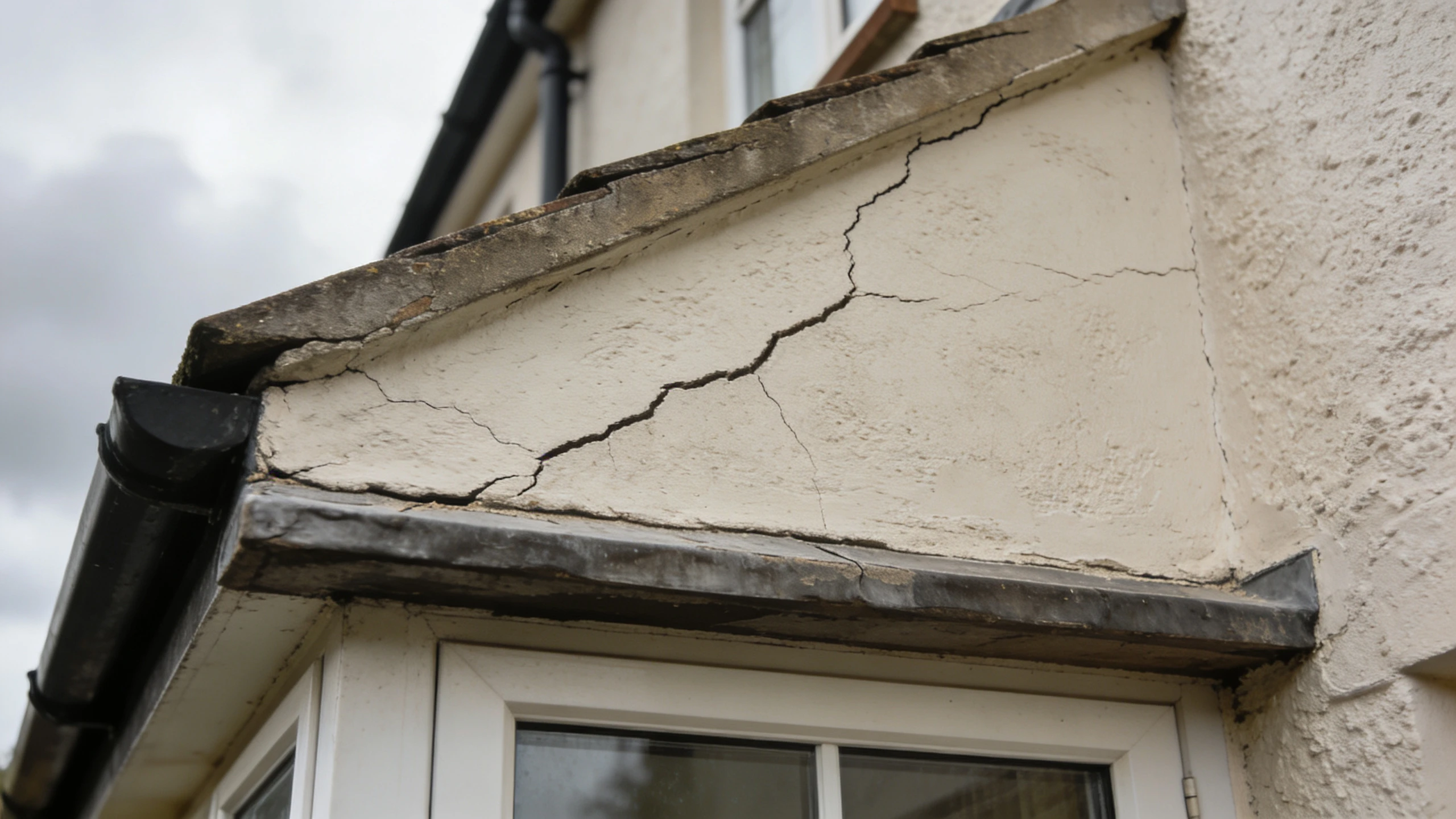
Mining Subsidence and Mortgages: What You Need to Know
How historic and active mining affects UK mortgages. Coal Authority reports, which lenders accept mining risk, insurance considerations, and practical advice for buyers and sellers.
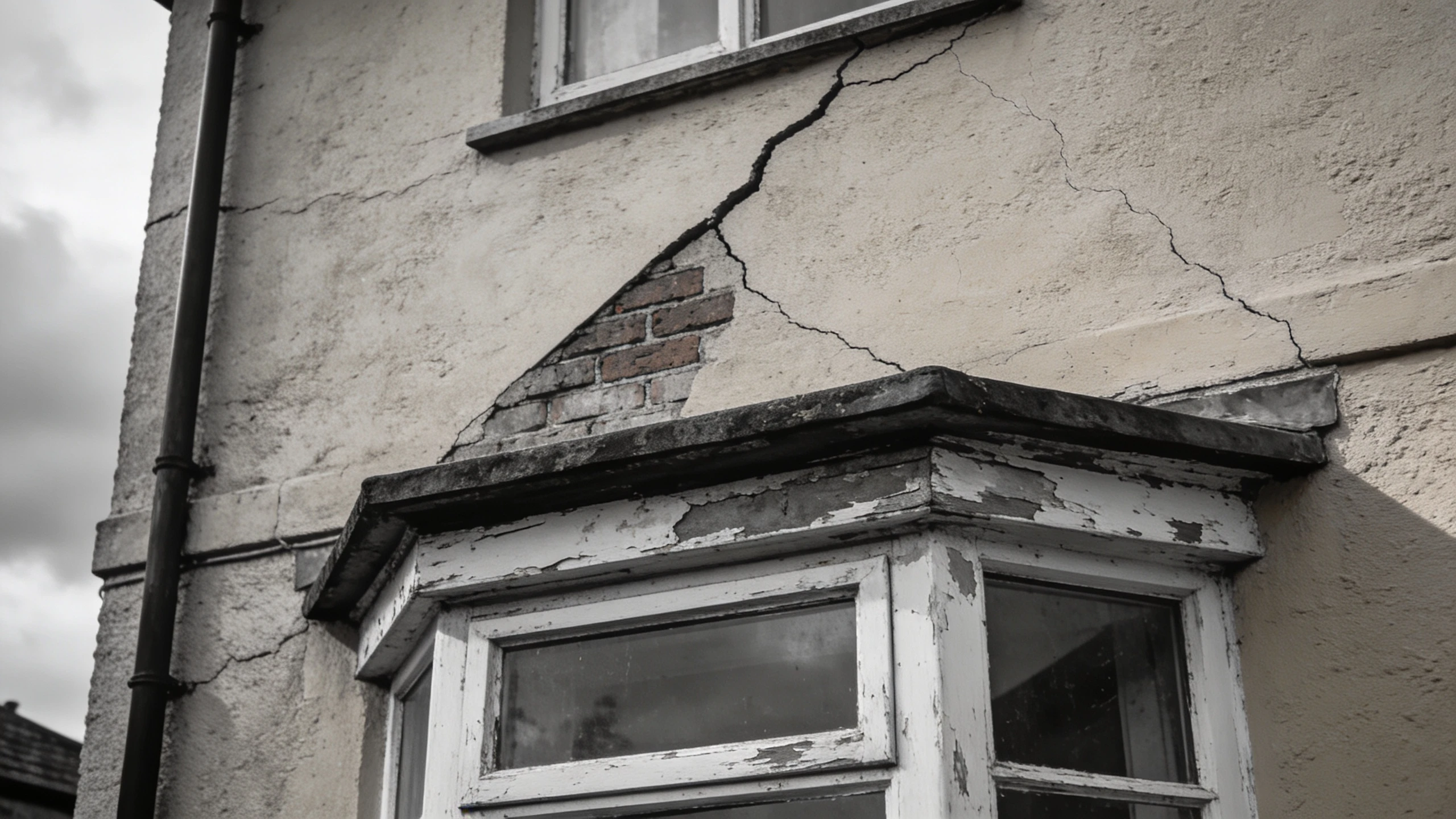
Subsidence and Underpinning: Can You Still Get a Mortgage?
How subsidence and underpinning history affects UK mortgages. Understand what lenders look for, which specialist lenders accept it, and how to protect your position.

Non-Standard Construction Mortgages: What Counts and Who Lends?
UK guide to mortgages on non-standard construction homes. Timber frame, concrete, PRC, thatched — which lenders accept what and what surveys you need.

Specialist Mortgage Lenders UK: Who Are They?
Who are the specialist mortgage lenders in the UK? A comprehensive guide to lenders who help with bad credit, self-employment, and non-standard situations.
Not sure about your mortgage options?
Find out your options — whether it's your circumstances or your property holding you back. Free, no judgement, no cold calls.
This page is educational content, not financial advice or a personal recommendation. Unmortgageable is not FCA-authorised. Any broker or lender we link to is separately regulated — verify them on the FCA Register before engaging. See our affiliate disclosure.