This is general information, not financial advice. Your circumstances are unique — always speak to a qualified mortgage broker before making financial decisions. This page may contain affiliate links. Affiliate disclosure · Terms
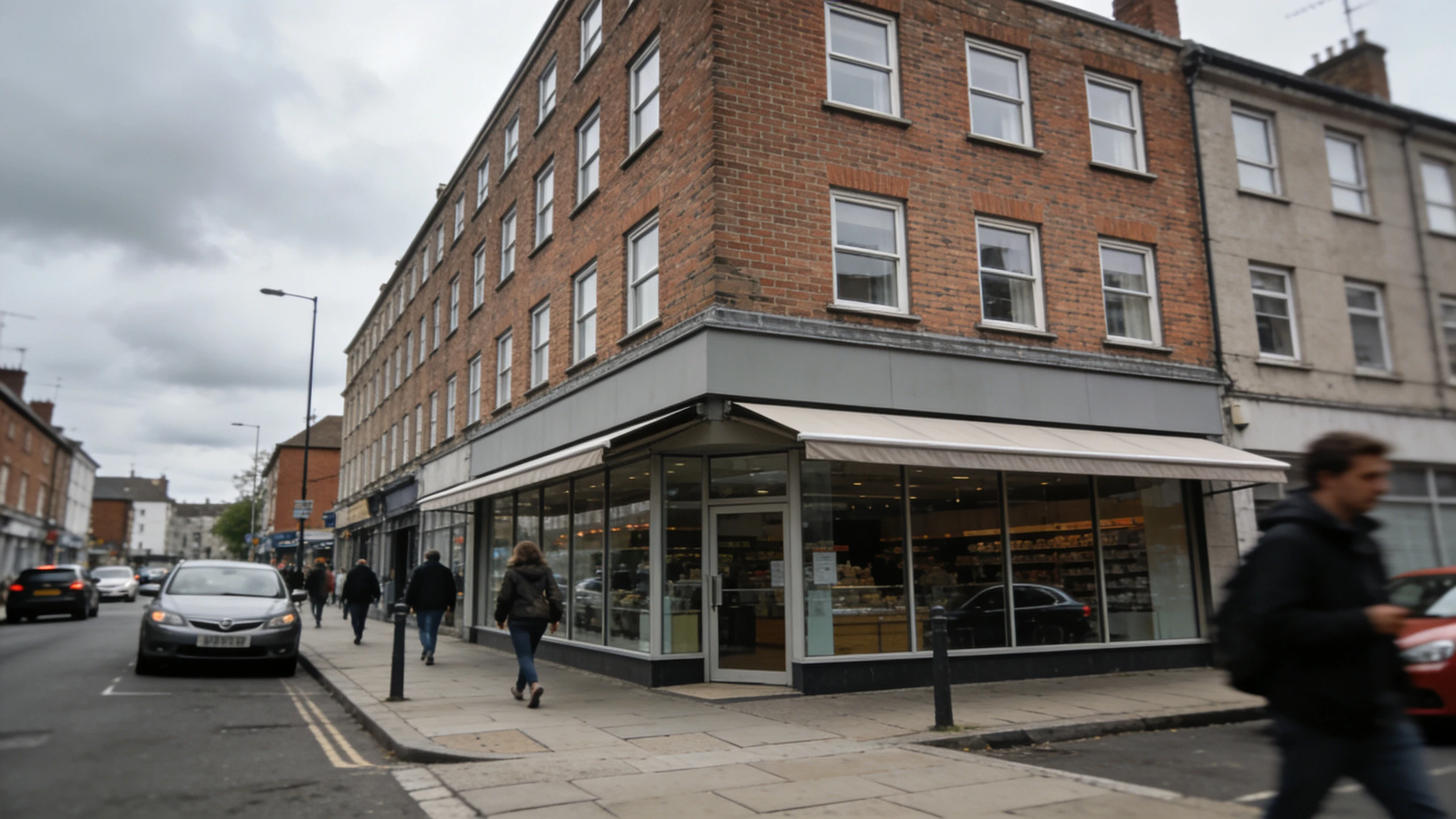
Living next door to a commercial property is a fact of life for many UK homeowners — particularly in towns and suburbs where residential streets blend into commercial areas. For most, it raises no mortgage difficulty at all. But certain types of commercial neighbour — a takeaway, a pub, a petrol station, an industrial unit — can create real problems when you come to buy, remortgage, or sell.
How This Differs from Flat Above a Shop
The first thing to understand is the distinction between being above a commercial property and being next to one. They create related but different mortgage problems:
A flat above a commercial property has structural, access, and legal connections to that commercial space. The fire risk is more direct (a fire in the shop could compromise the flat above). The noise and odour are experienced more intensely. The mixed-use nature of the building complicates the legal structure and insurance. Lenders often have explicit policies about flats above specific commercial uses.
A property adjacent to commercial premises is structurally separate. The risks are primarily about environmental impact (noise, smell, footfall, late-night activity) and the effect on value and saleability. Lenders are concerned not about legal entanglement but about whether the property represents adequate security — whether a future buyer would pay a normal market price for a house next door to a pub.
Both are real mortgage considerations, but adjacent commercial is generally a softer barrier than being above commercial premises, and more cases that are adjacent resolve through finding the right lender.
What Lenders Worry About
Value Impact
The core concern for any mortgage lender is security: will the property sell for enough to recover the outstanding loan if the borrower defaults? A property that is hard to sell, or that will consistently achieve a discount to comparable properties without the commercial neighbour, represents weakened security.
The lender's surveyor will assess whether the adjacent commercial use affects the property's marketability and likely sale price. They will note the commercial use, its operating hours, and the potential impact on the residential property.
Noise and Operating Hours
A commercial neighbour that generates noise — music, deliveries, customer activity, extraction fans, plant and machinery — reduces the amenity of the adjacent residential property. Lenders and their valuers pay particular attention to:
- Night-time operating hours: A pub or bar that operates until 2am creates noise during hours when residents expect quiet. Late-night activity outside the premises adds to this.
- Delivery schedules: Convenience stores, restaurants, and industrial premises may receive deliveries at unsociable hours. Large lorries manoeuvring in narrow streets near residential properties are a real amenity concern.
- Plant and machinery: Refrigeration units, extraction fans, and HVAC equipment can generate continuous noise.
Odour
Cooking smells from takeaways and restaurants can permeate adjacent properties. While this seems minor, surveyors note it as a material factor in residential amenity — and some buyers are deterred by persistent cooking smells from next door.
Fire Risk
The fire risk from commercial premises varies by use. A petrol station represents a different fire risk from an office. A restaurant with commercial cooking equipment is a different proposition from a hairdresser. While a fire in an adjacent property is less dangerous than one in the same building, lenders and insurers consider the proximity of certain high-risk commercial uses.
Environmental Contamination
Some commercial uses carry historical contamination concerns. Petrol stations, in particular, are associated with underground storage tanks that can leak hydrocarbons into the ground. If the residential property is adjacent to or downhill from a petrol station site, ground contamination may be a concern — not just for the property's current condition but for future liability if contamination spreads.
Petrol stations: contamination searches
If the adjacent commercial premises is a petrol station (current or former), your conveyancer should arrange a ground contamination search. Leaking underground storage tanks can contaminate soil and groundwater. Remediation costs are very high. This is a lender and insurance concern as much as a personal health concern.
Which Commercial Uses Cause the Most Problems
Usually Straightforward
Most commercial neighbours raise no significant mortgage difficulty:
- Offices and professional services (quiet, daytime-only, no odour or fire risk)
- Retail shops (clothing, books, gifts — daytime trading, no unusual noise or smell)
- Pharmacies and health services
- Banks and building societies
- Schools and nurseries (daytime activity, some noise during school hours but predictable)
Sometimes Raised as a Concern
These uses may attract a note from the surveyor but typically do not prevent a mortgage, depending on the specific circumstances:
- Cafes and daytime restaurants (some odour and noise, but limited hours)
- Hairdressers and beauty salons
- Convenience stores and newsagents (delivery schedules can be early)
- Supermarkets (significant delivery activity, car park noise in some cases)
- Gyms and leisure centres (parking, noise from car parks)
Often Flagged as Problematic
These uses frequently cause lender concern and may lead to a reduced valuation, conditions on lending, or a decline:
- Takeaways and fast food outlets: Persistent cooking smells, late-night trading, customer footfall and noise outside, litter and vermin attractants, extraction fans
- Pubs, bars, and late-night venues: Late-night noise and music, customer activity outside, potential anti-social behaviour, deliveries
- Petrol stations: Fire and explosion risk, ground contamination history, 24-hour activity at many sites
- Industrial uses: Noise from machinery, deliveries at all hours, potential chemical or environmental hazards, visual impact
- Waste management and recycling facilities: Odour, vermin, heavy vehicle movements
Almost Always Problematic
Some commercial uses are so consistently difficult that lenders almost universally either decline or apply significant conditions:
- Nightclubs and entertainment venues
- Chemical or waste processing facilities
- Industrial sites with heavy machinery or hazardous materials storage
The "Within X Metres" Problem
Some lenders apply proximity rules — not just declining properties adjacent to specific commercial uses, but properties within a defined distance of them. These rules are not always transparent, but a mortgage broker familiar with lender criteria will know them:
- A lender might decline any residential property within 50 metres of a petrol station
- Another might flag any property sharing a boundary with an A5 (hot food takeaway) premises
- Some consider the road frontage — a property facing a pub across the street is different from one sharing a rear wall with its beer garden
These rules vary by lender and are not published. They mean that a property can fail one lender's criteria but pass another's — making lender selection important.
How the Surveyor Assesses Adjacent Commercial
When a surveyor visits a residential property adjacent to commercial premises, they make a professional assessment that goes beyond what is visible at the time of inspection:
They visit the property — but they will note the commercial use and consider its likely impact even if the adjacent business happens to be closed at the time of inspection.
They look for evidence of impact — notes about smells, noise at the time of inspection, any visible detritus (litter, cooking waste, delivery packaging) that might indicate ongoing environmental impact.
They consider planning use class — the current A1, A3, A5, B2, or other use class tells them something about the potential range of uses the premises can support without a new planning application.
They assess likely future use — a currently vacant unit adjacent to the property could become any use permitted by the planning class. This uncertainty can affect the valuer's assessment.
They compare to similar properties — a house next door to a pub on a prosperous high street in a market town is assessed differently from the same configuration in a struggling town centre with a history of disorder outside the venue.
Ask the surveyor directly
If you have concerns about the adjacent commercial property, tell the surveyor before or during the inspection. A good surveyor will specifically address the issue in their report rather than giving a generic assessment. The more context you provide, the more targeted their comments will be.
Which Lenders Are More Flexible?
Which lenders accept adjacent commercial varies more by specific case than by lender name. Some principles:
Larger mainstream lenders — Halifax, Nationwide, NatWest — apply their criteria more systematically. A surveyor's note about an adjacent takeaway or pub may automatically trigger a referral or decline based on criteria the underwriter must follow.
Regional building societies — with a closer understanding of their local markets — sometimes take a more pragmatic view. A society that regularly lends in a market town where the pub has been next door to houses for 200 years without causing mortgage difficulties will be less alarmed by the configuration.
Specialist lenders — Together Money, Shawbrook Bank, Precise Mortgages, Aldermore — are more willing to consider individual cases on their merits. They will generally want a surveyor's assessment concluding that the commercial use does not materially affect the property's value or saleability.
The Value Discount
Properties adjacent to problematic commercial uses typically trade at a discount to otherwise comparable properties:
- Takeaway or pub next door: 5-15% below comparable residential-only locations, depending on the severity of the impact
- Petrol station adjacent: Variable — can be 10-20% if contamination concerns exist, less if the station is modern with contained infrastructure
- Industrial or commercial yard: 10-20% depending on the nature of activity
These are not fixed rules — location and specific circumstances matter enormously. A property in a high-demand area may see a smaller discount simply because buyers accept trade-offs to access that market. A property in an already-weak market sees the discount compounded.
Practical Advice
-
Visit at different times — evening, weekend, and during delivery windows if you can identify them. The experience of living next to a pub or takeaway is not the same at 2pm as it is at 11pm on a Friday.
-
Check the planning register for the commercial property. What use class does it currently operate under? Has it had a history of noise complaints, planning conditions, or enforcement actions? This is public information.
-
Ask the surveyor to specifically address the adjacent commercial use in their report. If you are paying for a HomeBuyer Report or Building Survey, the surveyor should be able to assess impact.
-
Use a broker who knows lender criteria — proximity rules are not published, but experienced brokers know which lenders apply them and to which commercial uses.
-
Factor the discount into your offer — if the property has a genuinely problematic commercial neighbour, the price should reflect it. You will face that same dynamic when you come to sell.
-
Check contamination risk for petrol stations and industrial uses — instruct your conveyancer to arrange relevant environmental searches.
If adjacent commercial property makes mortgage approval difficult, selling directly for cash may be the fastest route. SellTo offers free cash valuations with no fees to the seller.(affiliate)
Our exclusive broker partner
Create Finance — for properties next to commercial premises
Create Finance is authorised and regulated by the FCA — Unmortgageable is not. We earn a referral fee from Create Finance only if your mortgage completes through them. This never affects what you pay or what advice you receive.

Unmortgageable is not FCA-authorised. Create Finance is — verify them independently on the FCA Register. See our affiliate disclosure.
This is educational content, not financial advice. Your situation is unique — speak to a qualified mortgage broker before making any decisions.
Find out if the property is the problem
Quick check for the construction, lease, cladding, and title issues that get mortgage applications declined — before you spend on a survey.
Get startedRelated reading

Mortgage on a Flat Above a Shop
Can you get a mortgage on a flat above a shop in the UK? Yes, but lender criteria vary by shop type, access, and commercial element. Here's what to know.

Non-Standard Construction Mortgages: What Counts and Who Lends?
UK guide to mortgages on non-standard construction homes. Timber frame, concrete, PRC, thatched — which lenders accept what and what surveys you need.

Specialist Mortgage Lenders UK: Who Are They?
Who are the specialist mortgage lenders in the UK? A comprehensive guide to lenders who help with bad credit, self-employment, and non-standard situations.
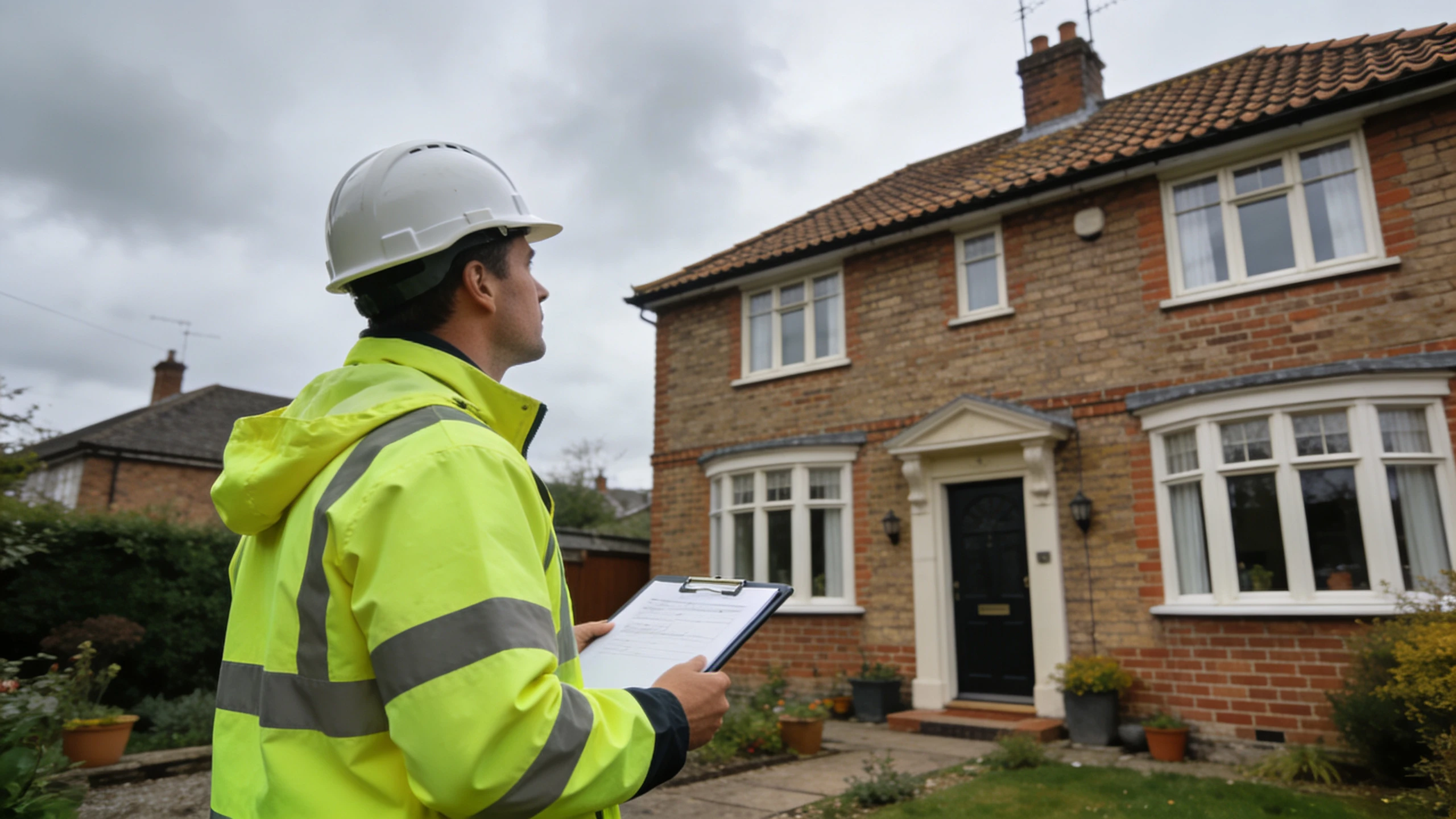
Getting a Structural Survey in the UK: What to Expect
Level 2 vs Level 3 RICS surveys, when to instruct a structural engineer, costs, timelines, and how survey findings affect mortgage lending.
Not sure about your mortgage options?
Find out your options — whether it's your circumstances or your property holding you back. Free, no judgement, no cold calls.
This page is educational content, not financial advice or a personal recommendation. Unmortgageable is not FCA-authorised. Any broker or lender we link to is separately regulated — verify them on the FCA Register before engaging. See our affiliate disclosure.