This is general information, not financial advice. Your circumstances are unique — always speak to a qualified mortgage broker before making financial decisions. This page may contain affiliate links. Affiliate disclosure · Terms

Flats above shops are among the most common "non-standard" property types in the UK, and they are often significantly cheaper than similar flats in purely residential buildings. The catch? Not every lender will touch them, and the type of shop below matters enormously.
Why Lenders Are Cautious
Lenders have three main concerns about flats above commercial premises:
- Resale value: If the flat is hard to sell (because buyers are put off by the shop below), the lender's security is weakened. A mortgage decline on this basis is not unusual.
- The commercial element: Noise, smells, late-night activity, and fire risk from certain businesses can affect the property.
- Mixed-use complications: Some properties are part-residential, part-commercial, which changes the legal and lending framework.
Which Shops Are Acceptable?
This is where it gets specific. Lenders broadly categorise the commercial premises into tiers:
Usually Acceptable
- Offices and professional services (accountants, solicitors, estate agents)
- Hairdressers and beauty salons
- Retail shops (clothing, bookshops, gift shops)
- Pharmacies
- Banks and building societies
Sometimes Acceptable (depends on lender)
- Cafes and restaurants (concerns about smells and late hours)
- Convenience stores and newsagents
- Launderettes
- Dental and medical practices
- Betting shops
Often Refused
- Takeaways and fast food (cooking smells, late-night noise, fire risk)
- Pubs and bars (noise, antisocial behaviour)
- Nightclubs
- Petrol stations (explosion/fire risk)
- Industrial premises
The shop can change
Even if the current shop below is a quiet bookshop, there is no guarantee the next tenant will not be a late-night takeaway. Some lenders consider the potential use of the commercial unit, not just the current use. Planning permission and lease restrictions on the commercial unit can provide reassurance.
Key Requirements
Separate Access
Almost all lenders require the flat to have its own separate entrance — not accessed through the shop. This is for both practical reasons (you should not have to walk through a business to get home) and legal reasons (the residential and commercial elements need to be distinct).
Self-Contained
The flat must be fully self-contained with its own kitchen, bathroom, and living space. Shared facilities with the commercial premises will cause problems.
Leasehold Considerations
Flats above shops are typically leasehold. Check the lease length (lenders usually want 70+ years remaining), who is responsible for building insurance, and what the service charge and ground rent arrangements are.
Proportion of Commercial Use
Some lenders have limits on the proportion of the building that is commercial. If the shop takes up 50% or more of the total floor space, fewer lenders will consider it. Buildings that are predominantly commercial (a large shop with a small flat above) are particularly challenging.
Which Lenders to Approach
Lenders known to consider flats above shops include:
- Halifax — generally willing, subject to the type of commercial premises
- Nationwide — will consider depending on the shop type
- Accord Mortgages — flexible on many non-standard properties
- NatWest — considers on a case-by-case basis
- Various building societies — many are pragmatic about this property type
Surveys and Valuations
The lender's surveyor will pay particular attention to:
- The type of commercial premises and its impact on the flat
- Whether the flat has separate access
- The condition of the building (who is responsible for maintenance?)
- Fire safety arrangements
- Noise and smell considerations
- The overall saleability of the flat
You may want to commission your own more detailed survey (a HomeBuyer Report or Building Survey) to identify any issues the lender's basic valuation might miss.
Check the EPC
Flats above shops can have poor energy efficiency if the commercial unit below is not well insulated or if the flat has an unusual layout. Check the Energy Performance Certificate and factor in any improvements that might be needed.
Typical Extra Costs
Compared to a standard flat purchase, you might face:
- Higher interest rates — some lenders charge a small premium for non-standard properties
- Larger deposit — 15-25% rather than 5-10%
- More detailed valuation fees — the surveyor may need to inspect the commercial element too
- Higher buildings insurance — insuring a mixed-use building can be more expensive
- Potential service charges — especially if there is a management company for the building
Practical Advice
- Visit at different times — go during the day, evening, and weekend to understand what the shop below is actually like
- Check planning restrictions — are there limits on what the commercial unit can be used for?
- Review the lease carefully — who insures the building? Who is responsible for structural maintenance? What are the service charges?
- Talk to other residents if there are multiple flats — they will tell you what it is really like
- Consider future saleability — will you be able to sell this flat when the time comes?
- Use a specialist broker who has experience with non-standard properties
Insurance Complications
Insurance for flats above commercial premises is more complex than for standard residential properties, and it is one of the areas where many buyers are caught off guard:
Buildings Insurance
Buildings insurance for a mixed-use building covers both the commercial and residential elements. The cost depends on the type of commercial use — a flat above a takeaway will cost significantly more to insure than a flat above an office, because of the fire risk from commercial cooking.
In most cases, the buildings insurance is arranged by the freeholder or managing agent and recharged to leaseholders through the service charge. Check:
- Who arranges the insurance and whether it provides adequate cover
- Whether the policy specifically covers the residential element
- What the excess is for claims
- Whether there are any exclusions related to the commercial use
Contents Insurance

Your personal contents insurance may cost more than average. Some insurers charge a premium for flats above commercial premises, particularly if the shop below is a food or drink establishment. Be upfront with your insurer about the commercial use below — failing to disclose it could invalidate your policy.
Liability Considerations
If the commercial premises causes damage to your flat (for example, a fire starting in the kitchen of a restaurant below), liability and insurance claims can become complicated. Your lease should set out the respective responsibilities, and your solicitor should check these carefully.
What the Valuer Looks For
When a surveyor values a flat above a shop, they pay attention to factors that would not be relevant for a standard flat:
The Commercial Premises
The surveyor assesses the type of business, its operating hours, and the potential impact on the flat. They will note:
- The specific use class (A1 retail, A3 restaurant, A5 takeaway, etc.)
- Whether the premises are currently occupied or vacant
- The general condition of the commercial unit
- Any visible fire safety or structural concerns
Access and Separation
The surveyor confirms that the flat has completely separate access from the commercial unit. They check that there is a clear physical boundary — a separate entrance, separate staircase, and no shared hallways or facilities with the shop.
Noise and Odour
While the surveyor visits at a specific time, they will note any evidence of noise or smell from the commercial premises. They may also consider the potential for issues — for example, extraction fans from a restaurant, delivery times for a convenience store, or foot traffic outside a betting shop.
Structural Considerations
In some cases, the commercial unit below has been altered to create an open-plan shop floor, removing internal walls that were originally load-bearing. The surveyor checks for any signs of structural compromise, such as sagging floors or cracking around window and door openings.
Marketability Assessment
Ultimately, the surveyor must advise the lender on how easy the flat would be to sell if the borrower defaulted. A flat above a quiet solicitor's office in a prosperous market town will receive a different assessment from a flat above a late-night kebab shop on a busy urban road.
Specific Lender Policies in Detail
Lender policies on flats above shops vary more than most buyers realise. Here is a more detailed look at how major lenders approach these properties:
Halifax
Halifax is generally one of the more accommodating mainstream lenders. They will consider flats above most types of retail and professional services. They require separate access and a self-contained flat. They are cautious about A5 (hot food takeaway) use and will usually decline where the commercial premises is a pub, nightclub, or petrol station.
Nationwide
Nationwide assesses each application on its merits. They are generally comfortable with A1 (retail) and B1 (office) use below. They may request additional information or a more detailed valuation for food establishments. They require the flat to have a separate entrance that does not pass through the commercial premises.
NatWest
NatWest considers flats above shops on a case-by-case basis. They are generally pragmatic but may apply stricter criteria in areas where the commercial property market is weak (increasing the risk that the shop below becomes vacant and the building deteriorates).
Accord Mortgages
Accord (part of Yorkshire Building Society) is known for being flexible on non-standard properties, including flats above shops. They are often a good option where mainstream lenders have declined or applied restrictive conditions.
Specialist Lenders
For flats above the more challenging types of commercial premises (takeaways, pubs, betting shops), specialist lenders may be the only option. Lenders like Together, Aldermore, and some private banks will consider these applications, though deposit requirements are typically 20-30% and interest rates are higher.
Regional Considerations
The experience of buying a flat above a shop varies significantly by location:
City Centres
In major city centres, flats above shops are common and well-understood by local lenders and valuers. High street locations in cities like London, Manchester, Birmingham, and Edinburgh have a strong rental and sales market for these properties. Competition for purchases can be strong, and prices may be only slightly below purely residential equivalents.
Market Towns
Flats above shops in attractive market towns can be particularly desirable. The commercial premises tend to be smaller, quieter businesses (independent retailers, cafes, professional services), and the setting can be highly attractive. Local building societies often have good experience with these properties.
Seaside Towns
Coastal towns present a mixed picture. In popular seaside destinations, flats above shops in prime locations can be valuable. However, in towns with declining high streets, the risk of the shop below becoming vacant is higher. Vacant commercial premises below a flat can deter lenders because of security and maintenance concerns.
Declining High Streets
In areas where the high street is struggling — with high vacancy rates and a prevalence of charity shops, bookmakers, and discount stores — lenders are more cautious. The concern is not just about the current shop but about the trajectory of the area. If the commercial environment deteriorates, the flat's value and saleability may decline.
Edge Cases
The Whole Building
Sometimes a flat above a shop is sold as part of a freehold that includes the commercial premises below. This changes the lending picture entirely — you are buying a mixed-use investment property, which requires a commercial or semi-commercial mortgage rather than a standard residential mortgage. Deposit requirements are typically 25-40%, and interest rates are higher.
Multiple Flats Above a Shop
In some cases, a building has several flats above a single commercial unit. The leasehold and management arrangements can be complex, and the proportion of commercial-to-residential floor space affects lender appetite. Buildings with a larger residential proportion are generally easier to mortgage.
Residential Properties Next to Commercial Premises
If your property is not above a commercial unit but directly adjacent to one — sharing a party wall with a shop or takeaway — the same lender concerns about noise, smells, and resale value can apply. Our guide to mortgages on properties next to commercial premises covers how lenders treat this scenario and which are most likely to proceed.
Change of Use Risk
One concern that lenders and valuers consider is the potential for the commercial use to change. A current A1 (retail) use is less concerning than an A5 (hot food takeaway) use — but if the planning class allows a change to A5 without a new application, the lender may factor this in. Check the planning history and any restrictive conditions on the commercial unit.
Vacant Shops Below
A flat above a vacant shop can be harder to mortgage. Some lenders worry about security (an empty shop may attract break-ins or squatters), maintenance (who looks after the building if the shop is empty?), and the signal it sends about the area. If you are buying above a vacant unit, check who owns the commercial element and what plans exist for re-letting.
Survey Requirements and Costs
For a flat above a shop, expect the following survey costs:
- Lender's valuation: £300-700 — may be more expensive than a standard residential valuation because the surveyor must also assess the commercial element
- HomeBuyer Report (Level 2): £400-800 — covers the residential flat but should note the commercial premises
- Building Survey (Level 3): £600-1,500 — recommended if the building is older or if you have any concerns about the structure
- Specialist fire risk assessment: £200-500 — may be required or recommended depending on the commercial use below
- EPC: Should be available for the residential element separately from the commercial unit
The Value Proposition
Flats above shops are often priced 10-20% below comparable flats in residential-only buildings. If you are comfortable with the commercial element, this discount can represent excellent value. Many people live happily above shops for years without any issues.
The key is making sure the specific property, the specific shop, and the specific lease work for you — and finding a lender who agrees.
If no lender will accept a flat above commercial premises, selling directly for cash may be the fastest route. SellTo offers free cash valuations with no fees to the seller.(affiliate)
Our exclusive broker partner
Create Finance — for non-standard properties
Create Finance is authorised and regulated by the FCA — Unmortgageable is not. We earn a referral fee from Create Finance only if your mortgage completes through them. This never affects what you pay or what advice you receive.

Unmortgageable is not FCA-authorised. Create Finance is — verify them independently on the FCA Register. See our affiliate disclosure.
This is educational content, not financial advice. Your situation is unique — speak to a qualified mortgage broker before making any decisions.
Find out if the property is the problem
Quick check for the construction, lease, cladding, and title issues that get mortgage applications declined — before you spend on a survey.
Get startedRelated reading
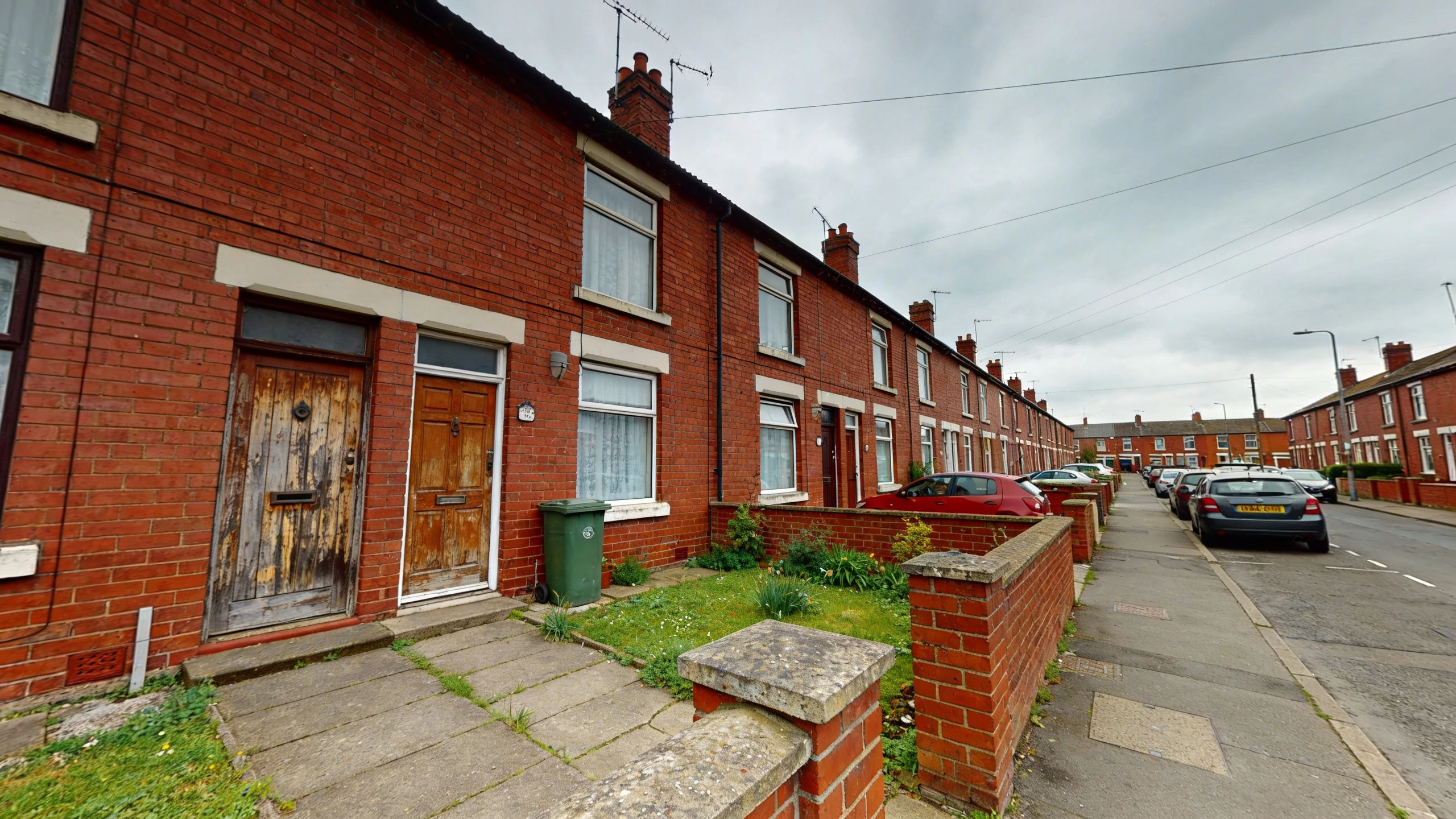
Ex-Council House Mortgage: What Lenders Think
Getting a mortgage on an ex-council house in the UK. Learn why some lenders hesitate, which construction types cause issues, and how to find flexible lenders.

High-Rise Flat Mortgage: Over 6 Storeys
Getting a UK mortgage on a high-rise flat over 6 storeys. Cladding, EWS1, service charges, and which lenders will consider tower block flats.

Short Lease Mortgage: What to Do Under 80 Years
Getting a UK mortgage on a short lease property under 80 years. Understand the 80-year cliff edge, lease extension costs, and which lenders will consider it.
Leasehold Reform 2024: What Changed for Mortgage Applicants
How the Leasehold and Freehold Reform Act 2024 affects UK mortgage applicants. Ground rent caps, marriage value changes, and what's in force now.
Not sure about your mortgage options?
Find out your options — whether it's your circumstances or your property holding you back. Free, no judgement, no cold calls.
This page is educational content, not financial advice or a personal recommendation. Unmortgageable is not FCA-authorised. Any broker or lender we link to is separately regulated — verify them on the FCA Register before engaging. See our affiliate disclosure.