This is general information, not financial advice. Your circumstances are unique — always speak to a qualified mortgage broker before making financial decisions. This page may contain affiliate links. Affiliate disclosure · Terms

High-rise living is increasingly popular in UK cities, from luxury developments in Manchester and Birmingham to the towers lining the Thames. But getting a mortgage on a flat in a building over six storeys comes with specific challenges — some related to the building itself, some to the post-Grenfell regulatory landscape.
What Counts as High-Rise?
There is no single definition, but in the context of building safety and mortgages:
- Over 11 metres (roughly 5 storeys): Subject to some building safety requirements
- Over 18 metres (roughly 7 storeys): Subject to more stringent requirements under the Building Safety Act 2022, including registration with the Building Safety Regulator
- Over 30 metres (roughly 10 storeys): Classified as "higher-risk buildings" with the most comprehensive safety requirements
For mortgage purposes, the 18-metre threshold is the most significant, as this is where EWS1 and building safety requirements are most consistently applied.
The Cladding and Fire Safety Issue
Since the Grenfell Tower tragedy in 2017, fire safety in high-rise buildings has been under intense scrutiny. For mortgage applicants, the key question is: does the building have an up-to-date fire safety assessment, and is the external wall system safe?
This is covered in detail in our cladding and EWS1 article, but the essentials for high-rise buyers are:
- You need an EWS1 form (or equivalent documentation) showing the building's external walls are safe
- A B1 rating (remediation needed) will make it very difficult to get a mortgage
- A clear rating (A1, A2, or A3) means most lenders will proceed normally
- No EWS1 at all can be as problematic as a bad rating
Do not assume a new building is fine
Some relatively new high-rise developments (built in the 2010s) have been found to have cladding issues. The age of the building does not guarantee safety compliance. Always check the EWS1 status regardless of when the building was constructed.
Service Charges: The Hidden Factor
High-rise buildings have higher running costs than low-rise properties, and these are passed to leaseholders through service charges. Typical costs include:
- Lift maintenance and insurance
- Concierge or security (in some buildings)
- Window cleaning (often specialist at height)
- Fire safety systems (sprinklers, alarms, dry risers)
- Building insurance (higher for taller buildings)
- Communal heating systems (in some developments)
- Building management fees
Service charges in high-rise buildings can range from £2,000 to £8,000+ per year, depending on the building's facilities and location. Luxury developments with gyms, pools, and concierge services can be even higher.
Lenders factor service charges into affordability. A £4,000 annual service charge reduces your borrowing capacity by the same amount as £4,000 of existing debt. This can significantly affect how much you can borrow.
Check the service charge history
Ask for the last 3-5 years of service charge accounts. Look for trends — are charges increasing? Has there been a large one-off levy (often called a "section 20" charge) for major works? What is the building's reserve fund like? A well-managed building with healthy reserves is less likely to spring nasty surprises.
Which Lenders Accept High-Rise Flats?
Most mainstream lenders will consider high-rise flats, provided the building safety documentation is in order:
- Halifax — accepts high-rise with satisfactory EWS1
- Nationwide — will consider subject to building safety evidence
- NatWest — lends on high-rise with appropriate documentation
- Barclays — accepts high-rise flats
- Santander — will consider with satisfactory fire safety
- Specialist lenders — for buildings with more complex situations
Some lenders have specific policies about floor level, deck access, or the total number of storeys. A broker can match your specific building to the right lender.
Ex-Council vs Private High-Rise
Private Developments
Modern private high-rise developments are generally straightforward to mortgage if the building safety documentation is clear. They tend to have:
- Professional management companies
- Clear service charge structures
- Better-maintained common areas
- Higher property values and stronger resale markets
Ex-Council Tower Blocks
Council-built tower blocks present additional considerations:
- Construction type — many were built using non-standard methods (concrete panel, etc.)
- Cladding issues — some councils were slower to address cladding concerns
- Management quality — varies significantly between local authorities and housing associations
- Service charges — can be lower than private developments but may come with less comprehensive services
- Resale market — typically weaker than private equivalents
Many ex-council tower block flats are mortgageable, but the combination of non-standard construction and high-rise can narrow lender options considerably.
Surveys and Documentation
When buying a high-rise flat, you (and your lender) will need:
- EWS1 form or fire safety certificate — essential for buildings over 18 metres
- Service charge accounts — last 3 years minimum
- Building insurance certificate — confirming adequate cover
- Lease details — length, ground rent, service charge provisions
- Management company information — who manages the building and their track record
- Building safety case — for buildings registered with the Building Safety Regulator
Your solicitor should obtain most of these through the conveyancing process, but it is worth asking early to avoid delays.
Typical Extra Costs
Compared to buying a house or low-rise flat:
- Higher service charges: £2,000-8,000+ per year
- Ground rent: Check the terms carefully (should be peppercorn on new leases)
- Building insurance: Covered through service charge but reflected in the amount
- EWS1 assessment: If not already in place, the building may need to commission one (cost shared among leaseholders)
- Specialist survey: If the lender requires additional fire safety evidence
Practical Advice
- Check the EWS1 status before making an offer — this is the single most important step
- Review the service charge accounts and budget — understand the true ongoing cost
- Ask about planned major works — roof repairs, lift replacement, or facade works can result in huge one-off charges
- Check the lease length — ensure it meets lender requirements (70+ years at end of mortgage term)
- Visit at different times — noise, light, and wind exposure vary by floor and time of day
- Consider resale — high-rise flats can be slower to sell than houses; factor this into your long-term plans
- Check internet and mobile signal — surprisingly variable in high-rise buildings
- Understand the building's management structure — who makes decisions, and how responsive are they?
Insurance in High-Rise Buildings
Insurance is a significant consideration for high-rise flat buyers, both in terms of cost and availability:
Buildings Insurance

Buildings insurance for high-rise blocks is arranged at building level by the freeholder or managing agent. The cost is passed to leaseholders through the service charge. High-rise buildings cost more to insure because:
- The potential for catastrophic fire damage is greater
- Repair and rebuilding costs are higher (scaffolding, specialist access equipment)
- Post-Grenfell, insurers have reassessed the risk profile of tall buildings
- Specialist cover may be needed for buildings with unresolved cladding issues
In some affected buildings, insurance premiums have increased by 300-1,000% since 2017, directly impacting service charges. This is gradually improving as remediation progresses, but it remains a live issue.
Contents Insurance
Your personal contents insurance covers the interior of your flat and your belongings. Contents insurance for high-rise flats is generally available from mainstream insurers at standard or slightly elevated rates. However, if the building has known cladding issues, some insurers may apply exclusions or higher premiums.
Ensuring Adequate Cover
Before purchasing, ask the managing agent for:
- The current buildings insurance certificate and schedule
- The sum insured and whether it reflects the actual rebuild cost
- Any exclusions or limitations in the policy
- The premium history over the last 3-5 years
- Whether the insurer has indicated any intention to withdraw or significantly increase premiums
What the Valuer Looks For
Valuing a high-rise flat involves additional considerations beyond a standard flat valuation:
Building Safety Documentation
The surveyor will request and review the building's fire safety documentation, including the EWS1 form (if applicable), the fire risk assessment, and any Building Safety Regulator registration. If this documentation is missing or unsatisfactory, the surveyor may be unable to complete the valuation.
Service Charge Assessment
The surveyor considers the service charge level and whether it is proportionate to the building and its services. An unusually high service charge can reduce the property's value because it affects the buyer's monthly outgoings. Conversely, a suspiciously low service charge may indicate that the building is not being properly maintained.
Floor Level
Some lenders have policies about specific floor levels. Very high floors (above the 20th or 25th floor in some cases) may attract additional scrutiny from certain lenders, though this is becoming less common as high-rise living becomes more mainstream.
Building Management Quality
The surveyor assesses the overall standard of building management — the condition of communal areas, the responsiveness of the managing agent, and the standard of maintenance. Well-managed buildings are more attractive to both lenders and future buyers.
Facilities and Amenities
Modern high-rise developments often include gyms, pools, concierge services, roof terraces, and communal lounges. While these can enhance the living experience, they also increase service charges. The surveyor considers whether the facilities are well-maintained and whether they add or detract from the property's long-term value.
Regional Variations
High-rise flat markets vary significantly across UK cities:
London
London has the largest and most diverse high-rise flat market in the UK. From Canary Wharf to Nine Elms, Stratford to Greenwich, residential towers are a defining feature of the cityscape. The London market includes everything from ex-council tower blocks to ultra-luxury penthouses. Lender and surveyor familiarity with high-rise is highest in London, and the resale market is generally strong — though the cladding crisis has affected specific developments significantly.
Manchester and Salford
Manchester has experienced a boom in high-rise residential development, particularly around Deansgate, Spinningfields, and Salford Quays. Many of these buildings were completed in the 2010s and some have been affected by cladding issues. The rental market is strong, which supports both investment purchases and mortgage lending.
Birmingham
Birmingham's city centre regeneration has brought new residential towers, particularly around Broad Street and the Jewellery Quarter. The market is growing but still smaller than Manchester's. Some older developments have faced building safety challenges.
Leeds
Leeds city centre has a number of residential towers, particularly along the waterfront and around the city centre. The market is well-established and local lenders are familiar with these properties.
Glasgow and Edinburgh
Both cities have high-rise residential buildings, though the scale is smaller than the English cities. Glasgow in particular has a legacy of high-rise council housing that was largely demolished or refurbished in the 1990s and 2000s. Modern residential towers are a more recent development.
Bristol
Bristol has a smaller but growing high-rise market, particularly around the Harbourside and Temple Quarter. The city's strict planning regulations have limited tower development compared to Manchester or Birmingham.
Specific Lender Policies for High-Rise
Halifax
Halifax accepts high-rise flats without a specific floor or storey limit, provided building safety documentation is satisfactory. They require an EWS1 for buildings over 18 metres and are pragmatic about buildings in the 11-18 metre range.
Nationwide
Nationwide will lend on high-rise flats subject to satisfactory building safety evidence. They do not have a blanket storey limit but may apply additional conditions for buildings with complex safety situations. They tend to follow RICS guidance closely.
Barclays
Barclays is generally comfortable with high-rise lending and does not impose a maximum floor level. They require appropriate fire safety documentation for buildings over 18 metres.
Santander
Santander will consider high-rise flats but has been historically more cautious than some competitors. They require satisfactory fire safety evidence and may be slower to update policies in response to regulatory changes.
Virgin Money
Virgin Money accepts high-rise flats with appropriate documentation. They have been reasonably flexible on cladding issues where remediation is confirmed and funded.
Edge Cases
Short Leases in High-Rise
High-rise flats with short leases face a double challenge — the complications of high-rise lending combined with the restrictions of a short lease. In some older tower blocks, original 99-year leases granted in the 1960s and 1970s now have fewer than 70 years remaining, pushing them below many lenders' minimum thresholds. Extending leases in large blocks can be complex because it requires the freeholder (often the local authority) to process many extensions.
Student-Heavy Buildings
Some high-rise developments in city centres have a high proportion of flats used as student accommodation or short-term lets. This can deter some lenders who prefer buildings with a majority of owner-occupiers or long-term residents. Check the building's tenure mix before committing.
Overseas Developers
Some UK high-rise developments have been built by overseas developers who may be difficult to contact for post-completion issues, including building safety remediation. If the developer is a party to the Building Safety Act's developer pledge but is based overseas, enforcement can be complex.
Mixed-Use Towers
Some high-rise buildings combine residential floors with commercial, hotel, or serviced apartment elements. The interaction between the residential and non-residential uses can affect service charges, building management, and lender appetite. Some lenders have restrictions on mixed-use buildings where the commercial element exceeds a certain percentage.
The Future of High-Rise
The Building Safety Act 2022 is creating a more regulated environment for high-rise buildings. Over time, this should increase buyer and lender confidence as buildings demonstrate compliance with safety standards. The initial disruption caused by the cladding crisis is gradually resolving, and high-rise living remains a viable and popular option in UK cities.
If high-rise restrictions are blocking your mortgage, selling directly for cash may be the fastest route. SellTo offers free cash valuations with no fees to the seller.(affiliate)
Our exclusive broker partner
Create Finance — for high-rise flats
Create Finance is authorised and regulated by the FCA — Unmortgageable is not. We earn a referral fee from Create Finance only if your mortgage completes through them. This never affects what you pay or what advice you receive.

Unmortgageable is not FCA-authorised. Create Finance is — verify them independently on the FCA Register. See our affiliate disclosure.
This is educational content, not financial advice. Your situation is unique — speak to a qualified mortgage broker before making any decisions.
Find out if the property is the problem
Quick check for the construction, lease, cladding, and title issues that get mortgage applications declined — before you spend on a survey.
Get startedRelated reading

Cladding and EWS1: Can You Still Get a Mortgage?
How cladding and EWS1 forms affect UK mortgages. Understand the current rules for buildings over and under 18 metres, lender requirements, and your options.

Mortgage on a Flat Above a Shop
Can you get a mortgage on a flat above a shop in the UK? Yes, but lender criteria vary by shop type, access, and commercial element. Here's what to know.
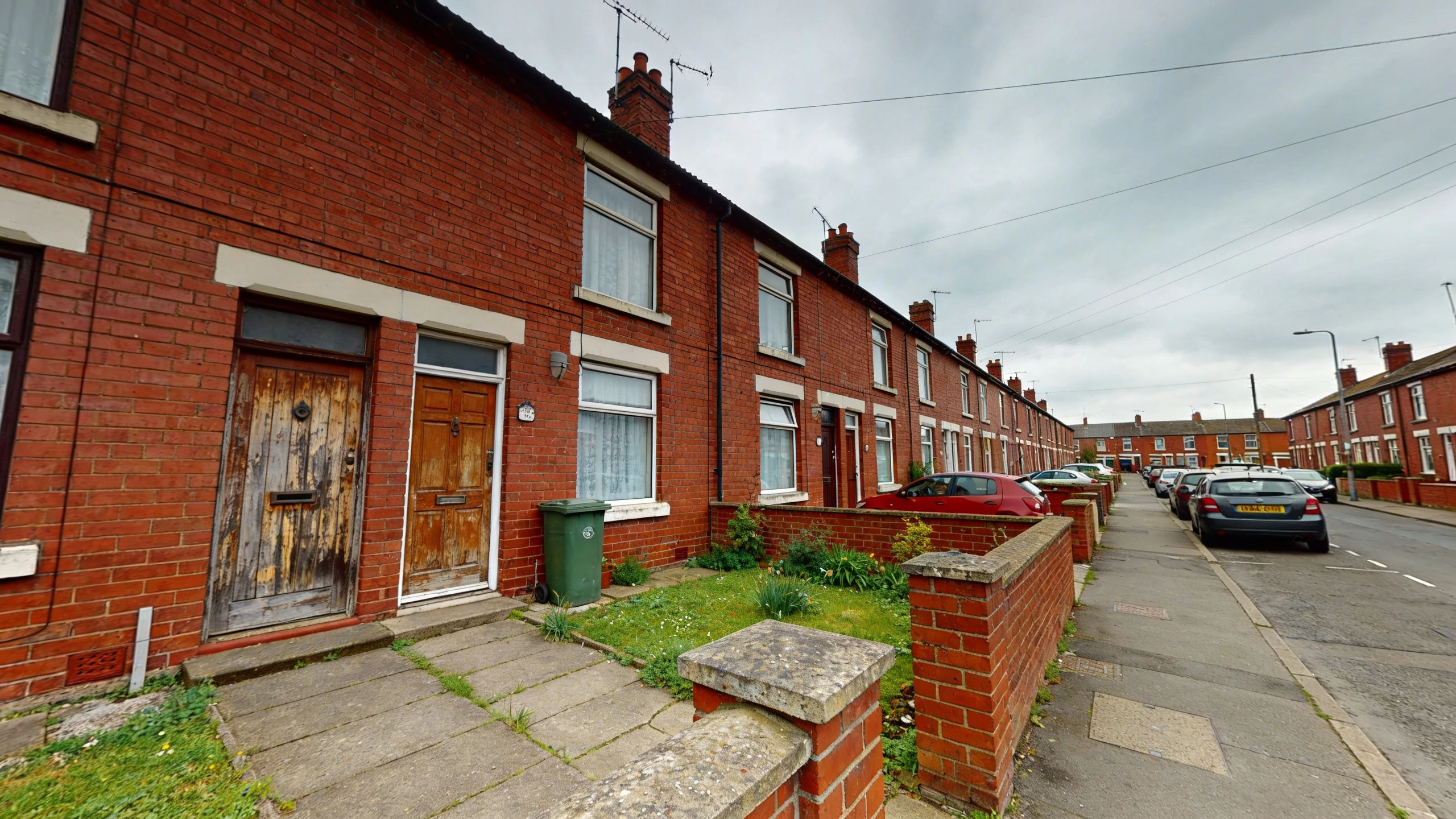
Ex-Council House Mortgage: What Lenders Think
Getting a mortgage on an ex-council house in the UK. Learn why some lenders hesitate, which construction types cause issues, and how to find flexible lenders.

Leasehold Reform 2024: What Changed for Mortgage Applicants
How the Leasehold and Freehold Reform Act 2024 affects UK mortgage applicants. Ground rent caps, marriage value changes, and what's in force now.
Not sure about your mortgage options?
Find out your options — whether it's your circumstances or your property holding you back. Free, no judgement, no cold calls.
This page is educational content, not financial advice or a personal recommendation. Unmortgageable is not FCA-authorised. Any broker or lender we link to is separately regulated — verify them on the FCA Register before engaging. See our affiliate disclosure.