This is general information, not financial advice. Your circumstances are unique — always speak to a qualified mortgage broker before making financial decisions. This page may contain affiliate links. Affiliate disclosure · Terms
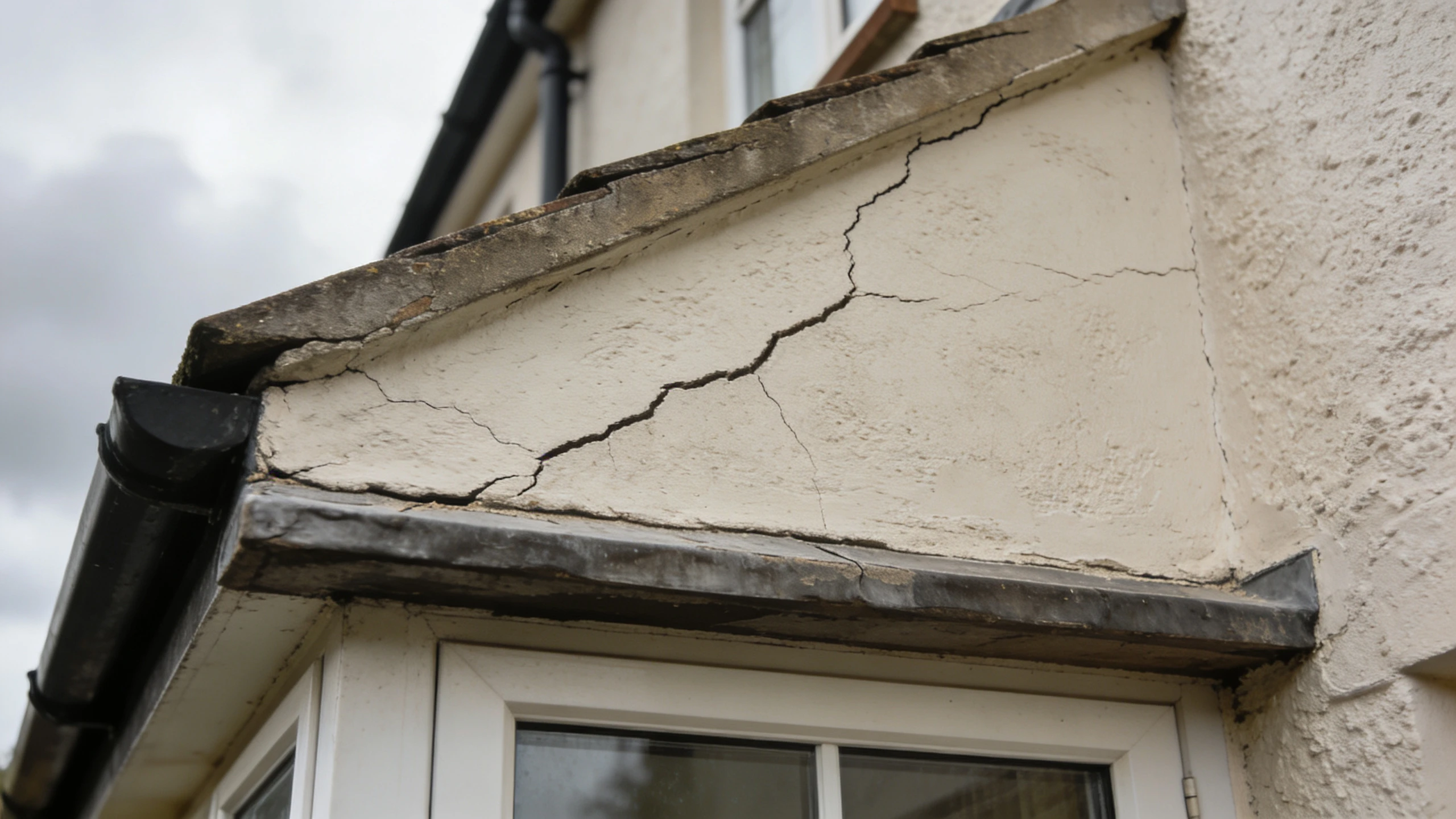
The UK has one of the most extensive legacies of underground mining in the world. Coal mining, tin mining, limestone quarrying, ironstone extraction, and salt mining have all left voids beneath properties across large parts of England, Wales, Scotland, and Northern Ireland. For most properties in affected areas, mining is a manageable risk rather than an insurmountable barrier. But for some, it creates real challenges for mortgaging, insuring, and selling.
The Scale of Mining Legacy in the UK
The sheer scale of historic mining in the UK means that millions of properties sit above or near former mines:
Coal mining: Covers large parts of South Yorkshire, Nottinghamshire, Derbyshire, the North East, South Wales, Kent, the Scottish Midlands, and many other areas. The Coal Authority estimates that around 1.7 million properties are in coal mining areas.
Non-coal mining: Tin and copper mining in Cornwall and Devon; lead mining in the Peak District, North Pennines, and Wales; limestone quarrying across the Midlands and Yorkshire; salt mining in Cheshire; ironstone extraction in Northamptonshire. Each creates its own type of risk.
Brine extraction: Parts of Cheshire sit above salt deposits that have been dissolved by water extraction (brine pumping), creating ground instability in some areas. The Cheshire Brine Subsidence Compensation Board has historically dealt with claims in the most affected areas.
Coal Mining: The Coal Authority Search
For properties in coalfield areas, a Coal Mining Search is a standard part of the conveyancing process. This search (conducted through the Coal Authority) reveals:
- Whether the property is above recorded coal mine entries (shafts, adits, drifts)
- Whether the property is in an area of surface coal working risk
- Whether any subsidence notices have been issued
- Whether any Remedial Notices have been served by the Coal Authority
- The development high risk area status of the property
The search also includes a report on the specific mining history of the area, including the depth and extent of any workings.
Cost: The Coal Authority charges a standard fee for the search report (currently around £34 for a standard residential search). Your conveyancer will arrange this as part of the standard property searches.
Coal Authority Subsidence Guarantee
The Coal Authority operates a statutory scheme under the Coal Industry Act 1994 for dealing with subsidence damage caused by coal mining. If your property suffers subsidence damage attributable to coal mining, the Coal Authority has a statutory obligation to either:
- Remedy the damage (through repairs), or
- Pay compensation for the loss in value
This statutory guarantee is significant for mortgage and insurance purposes — it means that mining subsidence damage is not simply an uninsured risk borne by the property owner, but a liability of the Coal Authority.
The Statutory Guarantee changes the risk profile
Lenders and insurers in former coalfield areas generally factor in the Coal Authority's statutory responsibilities. A property in a coalfield area with no current claims or structural damage is often treated similarly to a property outside mining areas — the statutory guarantee provides a backstop that makes the risk more manageable.
How Mining Affects Foundations
The nature of the mining risk depends on the type of mining:
Deep Coal Mining
Most former coal mines in the UK were deep workings — seams at depths of 100 metres or more. At these depths, ground movement tends to be more gradual and predictable ("wave subsidence"), with the surface moving in a relatively uniform way as the ground adjusts to the removal of coal below.
Deep mining subsidence typically produces:
- Ground tilt — causing structures to lean slightly
- Tension and compression zones — where the ground is stretched or compressed horizontally
- Settlement — vertical movement of the ground surface
Modern and well-designed structures can usually accommodate this movement, particularly where the seam was worked decades ago and any movement has long since dissipated.
Shallow Mining and Mine Shafts
Near mine shafts, adits (horizontal tunnels), and shallow workings, the risk is more localised and potentially more severe. Shafts can collapse or the surrounding ground can subside unpredictably. The Coal Authority maps and manages known shaft locations, but some historic shafts are unmapped. For properties directly affected by mineshafts — rather than general coal mining risk — our dedicated mineshaft property mortgage guide explains the specialist surveys and lender requirements in detail.
Properties directly above or adjacent to mapped shafts face greater lender and insurer scrutiny.
Non-Coal Mining
Non-coal mining risks vary enormously:
Tin and copper mining (Cornwall and Devon): Often shallow workings with complex networks of shafts and levels. Cornwall has thousands of documented and undocumented mine shafts. The Cornwall and West Devon Mining Landscape is a UNESCO World Heritage Site, reflecting the density of historical mining in the area. Conveyancing in Cornwall routinely involves mining searches through the Cornwall Council mining search.
Lead mining (Peak District, North Pennines): Often ancient workings that have long since stabilised. The risk varies by location.
Limestone cavern and quarry (Midlands, Yorkshire): Where limestone has been quarried or where natural caverns exist, the risk of localised collapse is a consideration for some properties.
Salt/brine subsidence (Cheshire): The most active ongoing risk of any non-coal mining in the UK. Parts of Cheshire (particularly around Northwich, Middlewich, and Winsford) have experienced significant ongoing subsidence from brine extraction. The Cheshire Brine Subsidence Compensation Board provides a similar function to the Coal Authority's statutory scheme for salt-affected areas.
Non-coal mining searches
Unlike coal mining, there is no single national search for non-coal mining. Your conveyancer should identify the relevant search for your area — Cornwall mining search, lead mining searches in the Peak District, or specialist geological searches elsewhere. In areas not typically associated with mining, consider whether any historic extraction (brick clay, gravel, ironstone) might apply.
Which Lenders Accept Mining Risk?
Properties with No Current Issues
Properties in former coalfield areas where the Coal Mining Search reveals no current subsidence risk — no recent claims, no active workings, no problematic shaft proximity — are generally accepted by mainstream lenders including Halifax, Nationwide, NatWest, Barclays, and Santander. The lender's surveyor will note the mining area but proceed normally if there are no current concerns.
This is the situation for the majority of properties in former coalfield areas. The presence of historic mining in the area does not, of itself, make a property unmortgageable.
Properties with Active Subsidence or Structural Damage
If the Coal Mining Search reveals an active subsidence notice, or if the property shows structural damage attributable to mining, the position changes significantly:
The Coal Authority process matters: If a claim has been submitted to the Coal Authority and they have accepted liability, this actually helps the mortgage situation — the damage will be remedied or compensated. Lenders are more comfortable with a property where the damage is acknowledged and a statutory remedy exists than with unexplained structural damage.
Documentation is essential: For mortgage purposes, provide the Coal Authority claim reference, any remediation schedule, and correspondence confirming the Coal Authority's acceptance of liability.
Specialist lenders: Where the situation is complex, specialist lenders including Precise Mortgages, Together Money, and Shawbrook will often consider applications that mainstream lenders decline. A specialist mortgage broker is valuable here.
Properties with Resolved Claims
A property where a previous mining subsidence claim has been resolved — the damage repaired under the Coal Authority scheme — is generally accepted by mainstream lenders, provided appropriate documentation of the repair and closure of the claim is available.
Insurance in Mining Areas
Buildings insurance in most former coalfield areas is obtainable at normal market rates — the statutory guarantee from the Coal Authority means that insurers can largely set aside coal mining subsidence as a risk they bear, as the Coal Authority's scheme would deal with it.
However, in areas of higher or more recent mining activity, or where a property has a history of claims, insurance can be harder to obtain:
Standard insurers may decline properties with recent mining claims or properties in very high-risk areas.
Specialist insurers — including those operating through the non-standard property market — can usually provide cover, often at higher premiums.
The Cheshire Brine Board situation is different: properties in the most affected brine subsidence areas have historically faced insurance difficulties as the risk of ongoing movement is higher.
When arranging insurance for a property in a mining area, disclose the mining area status and any historic claims. Failure to disclose can invalidate future claims.
Impact on Property Value
For most properties in former coalfield areas, the impact on value from mining is minimal — these areas are large, and prices reflect the general market conditions of the region rather than a mining-specific discount.
For properties with more specific risks:
Proximity to mapped mine shafts: Values may be 5-15% lower than equivalent properties not near shafts, reflecting lender caution and reduced buyer pool.
Active subsidence claims: While the claim is open, a discount of 10-20% to reflect the disruption and uncertainty is typical. Once the claim is resolved and the property restored, values generally recover.
Properties with significant structural damage: Discounts can be 20-35% if the damage is severe and the repair schedule is unclear, even where the Coal Authority has accepted liability.
Practical Advice for Buyers in Mining Areas
- Ensure the Coal Mining Search (or equivalent) is included in your conveyancing searches — your solicitor should arrange this automatically in coalfield areas, but confirm it is included
- Read the search result carefully — ask your solicitor to explain any elements of the report you do not understand
- Commission a full Level 3 Building Survey for any property in a higher-risk area or where the search reveals concerns
- Use a local solicitor — conveyancers familiar with your specific area will have more experience interpreting mining search results and dealing with any issues
- Speak to a specialist broker if the search reveals active issues — a broker with experience in mining areas will know which lenders are active and what documentation they need
Practical Advice for Sellers in Mining Areas
- Gather all historic documentation — previous Coal Mining Searches, any Coal Authority correspondence, remediation records, and insurance history
- Obtain a current Coal Mining Search — buyers' searches will reveal the current position; know what they will find before they do
- Disclose known issues — any known history of mining subsidence or claims should be disclosed on the TA6 property information form
- Price appropriately — in most former coalfield areas, mining history has no significant impact on price; if there are specific concerns, price to reflect them
If mining subsidence makes mortgage approval difficult, selling directly for cash may be the fastest route. SellTo offers free cash valuations with no fees to the seller.(affiliate)
Our exclusive broker partner
Create Finance — for mining area properties
Create Finance is authorised and regulated by the FCA — Unmortgageable is not. We earn a referral fee from Create Finance only if your mortgage completes through them. This never affects what you pay or what advice you receive.

Unmortgageable is not FCA-authorised. Create Finance is — verify them independently on the FCA Register. See our affiliate disclosure.
This is educational content, not financial advice. Your situation is unique — speak to a local conveyancer experienced in mining area properties and a specialist mortgage broker before making any decisions.
Find out if the property is the problem
Quick check for the construction, lease, cladding, and title issues that get mortgage applications declined — before you spend on a survey.
Get startedRelated reading
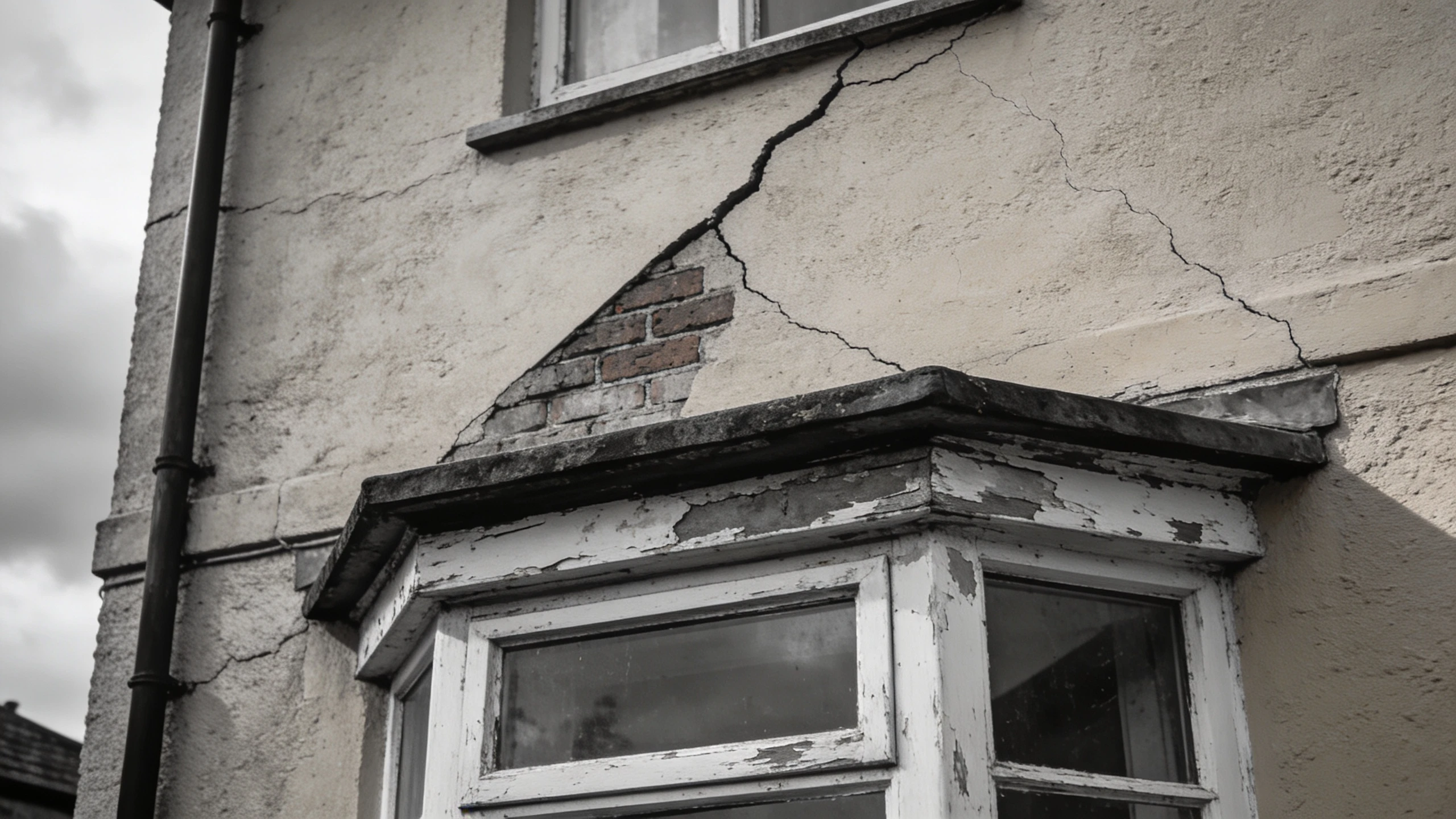
Subsidence and Underpinning: Can You Still Get a Mortgage?
How subsidence and underpinning history affects UK mortgages. Understand what lenders look for, which specialist lenders accept it, and how to protect your position.

Structural Defects and Mortgages: Wall Ties, Cracking, and Movement
How structural defects like wall tie failure, cracking, and building movement affect UK mortgages. Survey red flags, repair costs, and which lenders accept repaired properties.

Specialist Mortgage Lenders UK: Who Are They?
Who are the specialist mortgage lenders in the UK? A comprehensive guide to lenders who help with bad credit, self-employment, and non-standard situations.

Mortgage Valuation vs Survey: What Each Covers
Mortgage valuation vs survey explained. What the lender's valuation covers, what it doesn't, and which survey you actually need.
Not sure about your mortgage options?
Find out your options — whether it's your circumstances or your property holding you back. Free, no judgement, no cold calls.
This page is educational content, not financial advice or a personal recommendation. Unmortgageable is not FCA-authorised. Any broker or lender we link to is separately regulated — verify them on the FCA Register before engaging. See our affiliate disclosure.