This is general information, not financial advice. Your circumstances are unique — always speak to a qualified mortgage broker before making financial decisions. This page may contain affiliate links. Affiliate disclosure · Terms
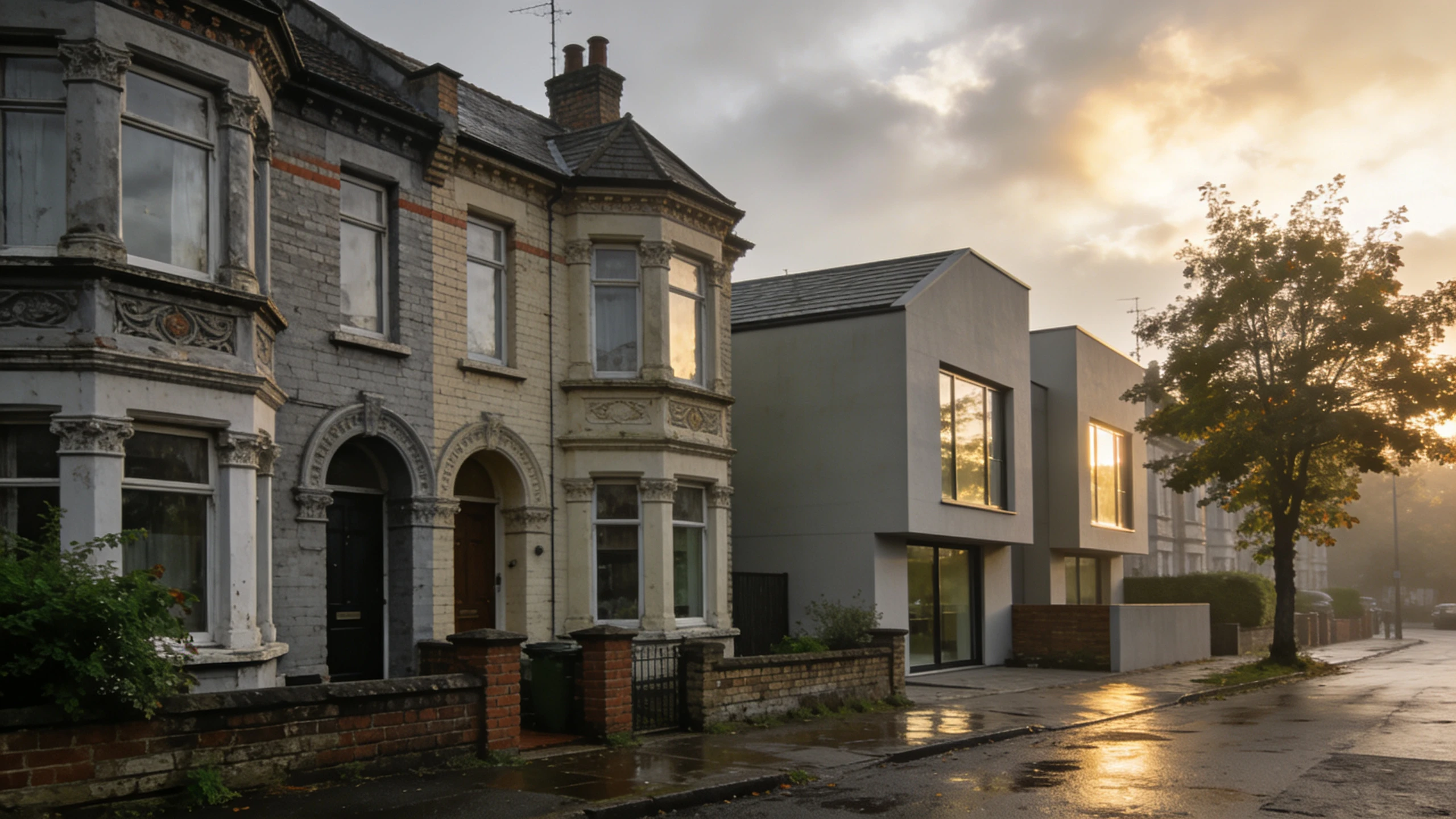
Garage conversions and loft conversions have been a popular way to add living space to UK homes for decades. Not all of them were completed with the full paper trail of planning permission and building regulations sign-off that a lender expects to see. When a surveyor notes that a conversion lacks building regulations approval, buyers often find themselves in an unexpected complication — not necessarily fatal to the purchase, but requiring a specific resolution.
Why Building Regulations Matter for Mortgages
Building regulations are not the same as planning permission. Planning permission controls whether you can carry out a development. Building regulations control how it is built — structural stability, fire safety, thermal performance, ventilation, drainage, and electrical safety.
For lenders, building regulations sign-off matters for a specific reason: it is the confirmation that the conversion was built to a standard that protects the structure (their security) and future occupants (which affects insurance and onward saleability).
A conversion without sign-off could in theory have:
- Inadequate structural support (floor joists too small, load-bearing walls not properly supported)
- Insufficient fire protection (no fire-rated door to the staircase, no smoke alarms)
- Poor insulation (affecting energy performance, heating costs, and EPC rating)
- Inadequate ventilation (leading to damp and condensation)
- Substandard electrical work (a separate notification requirement)
Whether these problems actually exist in a given property is a separate question from whether the paperwork is in order. Many conversions done without building regulations sign-off are perfectly well built — the omission was administrative rather than structural. But lenders cannot distinguish between an administratively deficient conversion and a dangerously built one without the sign-off paperwork.
How Surveyors Identify the Issue
A surveyor visiting for a lender's valuation or a buyer's RICS survey will look for several indicators:
Garage conversions:
- A room at ground floor level that appears to have been a garage (perhaps with a slightly different floor level, a door that was once the garage entrance, or internal measurements suggesting a former garage door opening)
- Boarded-over garage door openings
- Internal access between the former garage and main house that may not appear on original plans
Loft conversions:
- Habitable space in the roof void with staircase access
- Velux windows or dormer extensions
- Evidence of insulation, plastered walls, and heating in the loft space
The surveyor will note what they observe and then report whether there is evidence of building regulations sign-off. If they cannot confirm sign-off, they will flag it.
The structural survey (RICS Level 3) goes further than the basic valuation and will assess the conversion's apparent quality as well as the documentation. It may identify structural issues (as opposed to documentation issues) that need remedying regardless of the regulatory position.
The Two Main Routes to Resolution
Route 1: Legal Indemnity Insurance
For conversions that are more than 12 months old and where the local authority has not already been alerted to the issue, legal indemnity insurance is typically the fastest and cheapest resolution.
What it covers: Protection for the buyer and lender against enforcement action by the local authority under the Building Act 1984. Enforcement action can include requiring the conversion to be altered to comply with building regulations or — in serious cases — demolished. The policy pays for legal costs and any required remedial work.
Eligibility conditions:
- The work must have been completed more than 12 months ago (if under 12 months, contact the council for regularisation — see below)
- The local authority must not have been contacted about the work
- No enforcement notice must already have been issued
Cost: Typically £200-500 as a one-off premium. The premium does not recur on renewal — it is a single payment for a permanent policy.
The critical rule: Do not contact the local authority before the insurance is in place. If you or the seller has already called the council, spoken to a planning or building control officer, or applied for retrospective permission, the indemnity insurance route may be compromised.
Lender acceptance: Most mainstream lenders will accept legal indemnity insurance for missing building regulations sign-off on older conversions. Some lenders are more cautious and may still require regularisation. Your solicitor will advise on the specific lender's requirements.
Route 2: Regularisation Certificate
A regularisation certificate is retrospective building regulations approval, available under the Building Act 1984 for work carried out after 11 November 1985.
How it works:
- Apply to the local authority's building control department (or an approved inspector)
- Submit drawings and documentation about the work
- Building control inspect the work — this may require opening up walls, floors, or ceilings to assess the structure and insulation
- If the work meets the required standards, a regularisation certificate is issued
- If the work does not meet standards, remedial work is required before the certificate is issued
Cost: Building control fees for regularisation are typically 2-3 times the standard application fee — perhaps £500-1,500 depending on the scope of work. If remedial work is required, costs can be considerably higher.
Time: The process takes weeks rather than days, and can take months if there are complications or remedial work is needed.
Advantages over indemnity insurance: A regularisation certificate provides formal confirmation that the work is compliant. It is more comprehensive than indemnity insurance and removes any residual doubt about the conversion's quality. Some lenders prefer it.
Disadvantages: It requires physical inspection, may require opening up the conversion, and can uncover problems that need fixing before the certificate is issued. This can delay exchange and add cost.
Which route is right for your situation?
For a straightforward older conversion where the work appears sound and speed is important, indemnity insurance is usually the pragmatic choice. For a more recent conversion (under 12 months) or one where there are genuine concerns about the quality of the work, regularisation is the safer route even if slower and more expensive.
Lender-Specific Positions
Lenders' approaches to missing building regulations sign-off vary:
Halifax, Nationwide, NatWest, Santander: Generally accept legal indemnity insurance for older conversions. May require additional confirmation from the solicitor that the conversion appears sound and that there is no known enforcement action.
Smaller building societies and specialist lenders: Some take a stricter approach and prefer a regularisation certificate, particularly where the conversion represents a significant proportion of the property's total value.
Buy-to-let lenders: Similar position to residential lenders — indemnity insurance is usually acceptable for older conversions. Some buy-to-let lenders are more cautious about loft conversions used as additional lettable bedrooms, as HMO licensing and fire safety requirements may also be relevant.
If your mortgage has been declined or the lender has raised the missing sign-off as a barrier, a specialist mortgage lender may take a more pragmatic individual approach.
The Valuation Impact
Where building regulations sign-off is missing, the surveyor may take one of several approaches:
Value as existing: Some surveyors will include the converted space in their floor area calculation but note the lack of sign-off as a qualification. The valuation reflects the property as it actually exists.
Exclude the converted space: The surveyor values the property on its original footprint only, excluding the conversion. This can significantly reduce the assessed value — a loft conversion adding two bedrooms could represent substantial additional value.
Provide a conditional value: The surveyor notes the lack of sign-off and advises that the value is conditional on the issue being resolved (either by indemnity insurance or regularisation).
Where the valuation is reduced due to missing sign-off, the mortgage offer may be lower than expected — requiring a larger deposit to cover the gap.
What About Planning Permission?
Garage and loft conversions often require two separate approvals: planning permission and building regulations approval. They are independent of each other.
Many conversions are carried out under permitted development rights — they do not require planning permission. But even where no planning permission is needed, building regulations approval is typically still required (with some minor exceptions for small single-storey extensions under permitted development).
The absence of building regulations sign-off does not necessarily mean planning permission is also missing. However, if your solicitor flags both issues, they need to be addressed separately:
- Missing planning permission: usually addressed with a Lawful Development Certificate (from the planning department) or indemnity insurance
- Missing building regulations sign-off: addressed by regularisation certificate or indemnity insurance (from building control)
Some legal indemnity insurers offer combined policies covering both issues together.
Garage Conversions: Specific Issues
Beyond the building regulations question, garage conversions raise some additional mortgage concerns:
Parking: Many lenders assess properties partly on the basis of parking provision. A converted garage that no longer provides off-road parking may slightly affect the valuation, particularly in areas where parking is limited.
Structural questions: Garages are not always built to the same structural standard as the main house. Garage floors may not have the same foundation depth or damp-proof course. A garage conversion that turned a poorly built structure into a bedroom without addressing these fundamentals may have hidden problems that a Level 3 survey can identify.
Floor level: Garage floors are often lower than house floor levels. A conversion that bridges this difference with a step or platform may be structurally sound but functionally awkward.
Loft Conversions: Specific Issues
Structural loading: A loft conversion adds significant structural load to the roof — new floor joists, staircase, potentially a dormer. Whether the existing structure can take this load is a key question for building regulations (and the structural surveyor).
Fire escape: Building regulations for habitable loft rooms require either a protected staircase or a window large enough to allow escape directly onto the roof. Many older conversions were done before or despite this requirement. A loft room without a compliant fire escape route is a genuine safety issue, not just a paperwork one.
Insulation and thermal performance: Loft conversions must meet thermal performance standards. An older conversion with poor insulation may have an EPC impact as well as comfort issues.
When the Work is Recent (Under 12 Months)
If the conversion was completed less than 12 months ago, indemnity insurance is generally not available — the limitation period for the local authority to take enforcement action has not expired. The appropriate route is to apply for a regularisation certificate directly.
This situation most commonly arises when a seller has done a conversion shortly before deciding to sell. Buyers should be cautious about purchasing a very recently converted property without proper sign-off. Negotiating with the seller to obtain the regularisation certificate as a condition of sale (or price reduction to cover the cost) is reasonable.
Non-Standard Construction Combined with Missing Sign-Off
Properties of non-standard construction sometimes have additional conversions carried out without sign-off — a converted garage added to a prefab house, for example. Each issue individually is manageable; combined, they significantly narrow the pool of willing lenders. The structural survey is essential in these cases to understand what you are dealing with.
Selling a Property with an Unapproved Conversion
If you are selling a property with a conversion that lacks sign-off, you have options:
-
Obtain indemnity insurance before listing: Many solicitors will advise sellers to get indemnity insurance in place proactively, avoiding delays during the sale process. The cost is modest and it gives buyers confidence.
-
Obtain a regularisation certificate: More time-consuming but provides formal sign-off. Suitable if there is time before going to market.
-
Price in the uncertainty: Some sellers simply price the property assuming the buyer will need to deal with the issue. This is transparent but may narrow the buyer pool.
Our exclusive broker partner
Create Finance — for properties with conversion or building regulations issues
Create Finance is authorised and regulated by the FCA — Unmortgageable is not. We earn a referral fee from Create Finance only if your mortgage completes through them. This never affects what you pay or what advice you receive.

Unmortgageable is not FCA-authorised. Create Finance is — verify them independently on the FCA Register. See our affiliate disclosure.
This is educational content, not financial advice. Your situation is unique — speak to a qualified mortgage broker and your solicitor before making any decisions.
Related reading
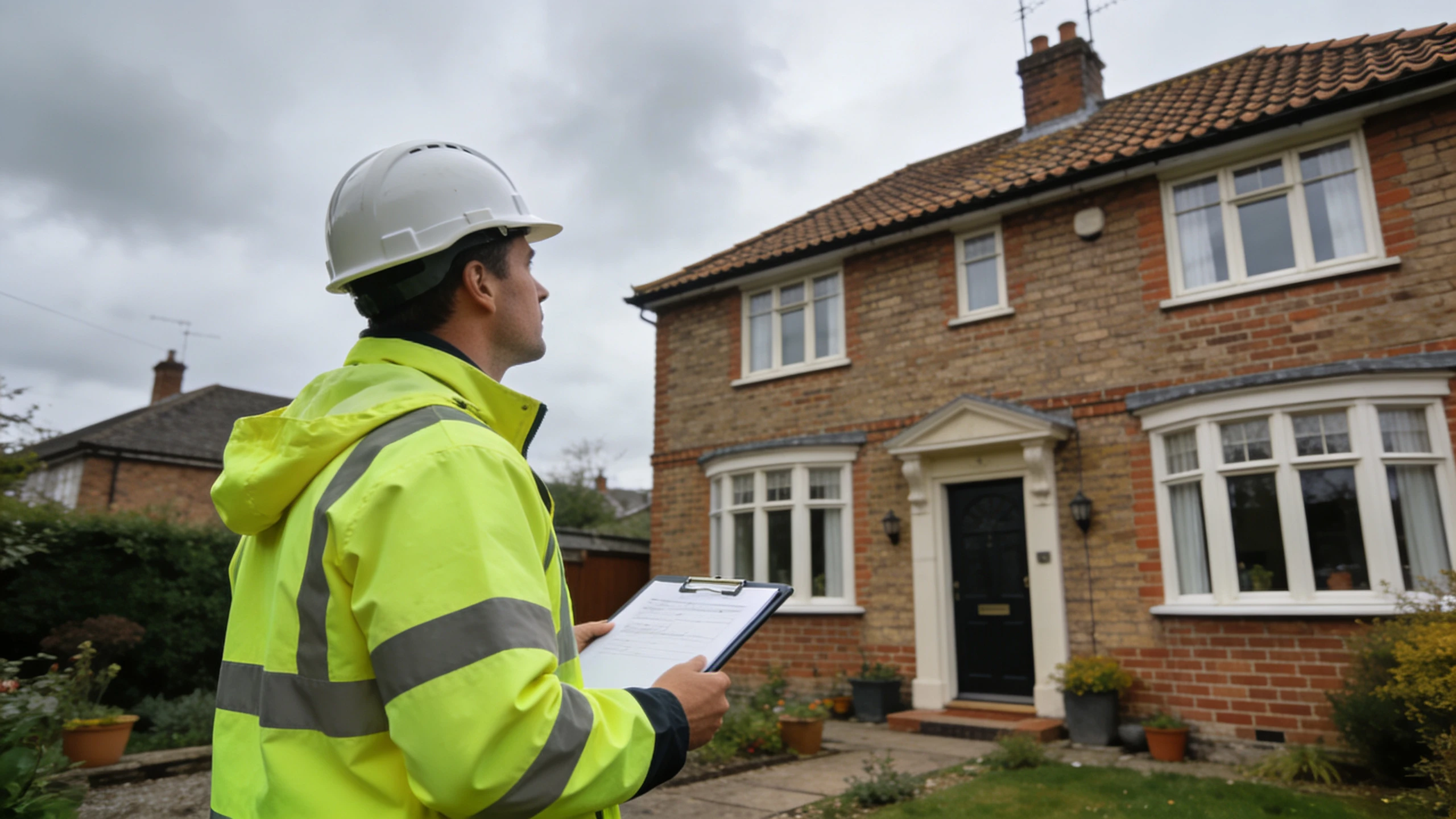
Getting a Structural Survey in the UK: What to Expect
Level 2 vs Level 3 RICS surveys, when to instruct a structural engineer, costs, timelines, and how survey findings affect mortgage lending.
Non-Standard Construction Mortgages: What Counts and Who Lends?
UK guide to mortgages on non-standard construction homes. Timber frame, concrete, PRC, thatched — which lenders accept what and what surveys you need.

Specialist Mortgage Lenders UK: Who Are They?
Who are the specialist mortgage lenders in the UK? A comprehensive guide to lenders who help with bad credit, self-employment, and non-standard situations.

Mortgage Declined: What to Do Next
Mortgage application declined? Don't panic. Understand why lenders say no, what to do next, and how to improve your chances second time around.
Not sure about your mortgage options?
Find out your options — whether it's your circumstances or your property holding you back. Free, no judgement, no cold calls.
This page is educational content, not financial advice or a personal recommendation. Unmortgageable is not FCA-authorised. Any broker or lender we link to is separately regulated — verify them on the FCA Register before engaging. See our affiliate disclosure.