This is general information, not financial advice. Your circumstances are unique — always speak to a qualified mortgage broker before making financial decisions. This page may contain affiliate links. Affiliate disclosure · Terms

Right to Buy (RTB) gives council tenants in England the chance to buy their home at a significant discount. For many people, it's the most realistic route to homeownership — the discount can effectively serve as your deposit. But getting a mortgage for a Right to Buy purchase has its own quirks, especially if your credit isn't perfect.
How Right to Buy Works
If you're a secure council tenant in England and have been a public sector tenant for at least 3 years (it doesn't all have to be in your current home), you may qualify.
The Discount
The discount depends on the type of property and how long you've been a tenant:
- Houses: 35% discount after 3 years, rising by 1% per year up to a maximum of 70%
- Flats: 50% discount after 3 years, rising by 2% per year up to a maximum of 70%
Maximum discount amounts are updated annually and change each April. For 2025/26, the caps are:
- £102,400 outside London
- £136,400 in London boroughs
These figures are reviewed every year — check gov.uk/right-to-buy for the current amounts, as they can change significantly between years.
So if your council flat is valued at £200,000 and you qualify for the maximum discount, you could buy it for £63,600. That's a substantial saving.
The Discount as Your Deposit
This is the key advantage for mortgage purposes. Many lenders treat the RTB discount as your deposit. If you're buying a £200,000 property with a £100,000 discount, you're effectively borrowing £100,000 against a £200,000 asset — that's a 50% LTV, which is excellent from a lender's perspective.
This means you may not need any cash deposit at all. The discount alone gives you significant equity from day one.
Eligibility
You qualify for Right to Buy if:
- You're a secure tenant of a council (local authority) in England
- You've been a public sector tenant for at least 3 years (includes time with housing associations, armed forces accommodation, and NHS accommodation)
- The property is your only or main home
- You don't have an ongoing possession order against you
You DON'T qualify if:
- You're a housing association tenant (you may qualify for Right to Acquire instead)
- You live in sheltered housing or housing adapted for elderly or disabled people (in some cases)
- Your council has successfully applied for an exemption
- You're subject to a bankruptcy order or have had your RTB suspended
Right to Buy doesn't exist everywhere in the UK
Right to Buy currently applies in England only. Scotland abolished it in 2016, and Wales ended it in 2019. Northern Ireland has its own House Sales Scheme. If you're not in England, check what's available in your nation.
Getting a Right to Buy Mortgage
Which Lenders Offer RTB Mortgages?
Most mainstream lenders offer Right to Buy mortgages:
- Halifax — one of the most active RTB lenders
- Nationwide — accept RTB with competitive rates
- NatWest — have specific RTB products
- Barclays — accept Right to Buy applications
- Leeds Building Society — flexible on RTB
Specialist lenders like Kensington, Pepper Money, and Accord also lend on RTB, which matters if you have adverse credit.
What Lenders Need
- Your RTB offer letter from the council (Section 125 notice)
- Proof of income and affordability (same as any mortgage)
- Credit checks — your credit history will be assessed
- ID and proof of address
- Details of the property, including the valuation
Affordability
Even with the discount, you still need to demonstrate you can afford the monthly mortgage payments. Lenders will assess your income, outgoings, and existing debts. Remember, owning a home comes with costs beyond the mortgage — repairs, maintenance, buildings insurance, and potentially service charges if it's a flat.
Budget for homeownership costs
As a council tenant, your landlord handles repairs and maintenance. As a homeowner, that's your responsibility. Budget for boiler breakdowns, roof repairs, and general maintenance. A common rule of thumb is 1% of the property value per year.
Right to Buy with Bad Credit
Having adverse credit doesn't automatically disqualify you from RTB — the right to buy is between you and the council, and credit doesn't affect eligibility. But you still need a mortgage, and that's where credit matters.
What's Possible
- Defaults over 3 years old — several specialist lenders will consider this
- CCJs under £500, satisfied — some lenders will overlook these
- Low credit score — if caused by thin credit history rather than missed payments, some lenders are understanding
- Debt management plans (completed) — possible with specialist lenders
What's Harder
- Active defaults or CCJs — very few lenders will proceed
- Bankruptcy discharged less than 3 years ago — extremely limited options
- IVA still active — almost impossible until it's completed
- Recent missed payments on rent — particularly damaging, as it directly relates to housing costs
The RTB discount works in your favour here. Because the discount gives you significant equity, lenders face less risk even with adverse credit. A borrower with credit issues but 50% equity is less risky than a borrower with perfect credit and 5% equity.
The Application Process
- Apply to your council — fill in the RTB1 form
- Council responds within 4 weeks (8 weeks for flats) confirming your right
- Council sends Section 125 notice — this is the formal offer with the discount and property valuation
- Get your mortgage in principle — approach lenders or a broker
- Instruct a solicitor — you need independent legal representation
- Formal mortgage application — once you have the Section 125 notice
- Complete the purchase — exchange and complete like any property purchase
The whole process typically takes 3-6 months from initial application, though it can be longer if there are delays from the council.
The Clawback Rule
If you sell your RTB property within 5 years of buying it, you'll have to repay some or all of the discount:
- Sell within year 1: repay 100% of the discount
- Sell within year 2: repay 80%
- Sell within year 3: repay 60%
- Sell within year 4: repay 40%
- Sell within year 5: repay 20%
- After 5 years: nothing to repay
The discount repayment is based on a percentage of the current market value, not the original discount amount. So if property values have risen, you'll repay more.
First Refusal
You must also offer the property back to your former landlord (the council) before selling on the open market, within the first 10 years.
Joint Applications
You can include up to 3 family members who've lived with you for the past 12 months on your RTB application. This can help with mortgage affordability if you're applying jointly — or consider a joint borrower sole proprietor arrangement, though all applicants will be credit-checked.
Worked Example: The Financial Power of RTB

Darren has been a council tenant for 12 years in a semi-detached house in Sheffield. The council values the property at £150,000.
Darren's discount:
- He qualifies for 35% + 9% (one additional percentage point for each year over 3) = 44% discount
- 44% of £150,000 = £66,000 discount
- But the maximum discount outside London is £102,400, so his £66,000 discount applies in full
- Purchase price: £150,000 - £66,000 = £84,000
Darren's mortgage:
- He earns £26,000 per year
- No additional deposit needed — the £66,000 discount gives him 44% equity from day one
- Mortgage needed: £84,000 at approximately 56% LTV
- At 4.8% over 25 years: monthly payment of approximately £483
Comparison to renting:
- Current council rent: £420/month
- Mortgage payment: £483/month
- Additional costs (insurance, maintenance): approximately £125/month
- Total ownership cost: approximately £608/month
Darren's monthly costs increase by about £188, but he now owns a £150,000 asset with only £84,000 of debt against it. After 5 years (when the clawback period ends), if the property has risen to £165,000, his equity would be approximately £78,000 — the original discount plus mortgage repayments plus capital growth.
Worked Example: Flat with Maximum Discount
Keisha has been a council tenant in a London flat for 15 years. The flat is valued at £280,000.
Keisha's discount:
- Flat discount starts at 50% after 3 years, plus 2% for each additional year = 50% + 24% = 74%
- But the maximum is 70%, so she gets 70% discount
- 70% of £280,000 = £196,000 — but this exceeds the London cap of £136,400
- So her discount is capped at £136,400
- Purchase price: £280,000 - £136,400 = £143,600
This is still extraordinary value. Keisha is buying a London flat with nearly 50% equity from day one.
Challenging the Council's Valuation
The council commissions a valuation of your property as part of the RTB process. This valuation determines how much you pay, so it's crucial that it's fair. Common issues:
When the Valuation Seems Too High
- You have the right to request an independent determination by the district valuer (part of the Valuation Office Agency)
- This process is free
- The district valuer's decision is binding on both you and the council
- It's worth using this process if you believe the valuation is significantly above market value — even a £10,000 reduction saves you real money
What Affects the Valuation
- Condition of the property (damp, structural issues, outdated systems)
- Location and local market conditions
- Comparable sales in the area
- The property's specific features (garden, parking, views)
- Any problems that would reduce market value (antisocial neighbours, noise, planned developments nearby)
Getting Your Own Evidence
Before challenging, get estate agent appraisals or look at recent sold prices for comparable properties on your street or estate. If similar properties have sold for less than the council's valuation, this supports a challenge.
Common Mistakes with Right to Buy
Not Getting an Independent Survey
The council provides a valuation, but this isn't a structural survey. You need your own survey to identify any major defects. Common issues with council properties include:
- Asbestos in artex ceilings, floor tiles, or insulation
- Damp and condensation problems
- Outdated electrical wiring
- Single-glazed windows (costly to replace)
- Flat roofing issues (on some council-built properties)
A £400-£600 homebuyer's report could save you from inheriting expensive problems.
Not Budgeting for the Transition to Homeownership
As a council tenant, your landlord handles all repairs and maintenance. As a homeowner, that responsibility is yours. A new boiler costs £2,500-£4,000, a new roof can be £5,000-£15,000, and even minor plumbing or electrical work can cost hundreds. Build a maintenance fund from day one.
Forgetting About Leasehold Issues (Flats)
If you're buying a flat through RTB, you'll typically receive a long lease (usually 125 years). But you'll be responsible for:
- Service charges: these cover communal area maintenance and can be substantial
- Major works contributions: if the council plans major works to the building (new roof, cladding, lifts), you'll be billed your share — which can run into tens of thousands of pounds
- Ground rent: usually nominal but check
Ask the council about any planned major works before you commit. A surprise bill of £15,000 for new cladding in year two can be devastating.
Not Considering Insurance
Buildings insurance is mandatory once you own the property (your mortgage lender requires it). Contents insurance is also advisable. Budget approximately £20-£40/month combined.
Selling Too Early
The clawback rules are strict. If you sell within 5 years, you repay a proportion of the discount based on the current market value — not the original discount amount. If the property has increased in value, you repay more. Many RTB buyers don't fully appreciate this until they need to sell.
Questions to Ask Your Broker About Right to Buy
- "Do I need any deposit on top of the RTB discount?" — Many lenders require no additional deposit, but some prefer you to contribute something.
- "What rate can I expect given my LTV after the discount?" — With 50%+ equity, you may well access competitive rates.
- "Can I get a mortgage with my credit issues?" — RTB's built-in equity makes adverse credit lending more viable. Specify your exact credit issues so the broker can advise.
- "Should I challenge the council's valuation?" — The broker may have a view, but ultimately you'll need to compare with local sold prices.
- "What happens if I want to extend or convert the property later?" — Planning permissions and lender conditions around property modifications.
- "Can I use RTB and then remortgage to a better deal after 2 years?" — Many RTB buyers take an initial deal and then remortgage once their credit improves or the deal period ends.
Is Right to Buy Right for You?
RTB can be a transformative opportunity, but consider:
- Can you afford the ongoing costs of homeownership?
- Is the property in good condition, or will it need expensive repairs?
- Are you happy to stay in the property for at least 5 years to keep the full discount?
- Have you had the property independently valued to check the council's valuation is fair?
- Have you checked for any planned major works (especially for flats) that could result in large bills?
- Is the property of standard construction that lenders are comfortable with? Some council-built properties use non-standard construction methods that limit lender options.
Our exclusive broker partner
Create Finance — for right to buy
Create Finance is authorised and regulated by the FCA — Unmortgageable is not. We earn a referral fee from Create Finance only if your mortgage completes through them. This never affects what you pay or what advice you receive.

Unmortgageable is not FCA-authorised. Create Finance is — verify them independently on the FCA Register. See our affiliate disclosure.
This is educational content, not financial advice. Your situation is unique — speak to a qualified mortgage broker before making any decisions.
Related reading

Right to Acquire: Housing Association Tenants
Housing association tenants can buy their home through Right to Acquire. Learn about eligibility, discounts, and how to get a mortgage for RTA.

First-Time Buyer with Bad Credit
First-time buyer with bad credit in the UK? You're not disqualified. Understand which lenders help, what deposit you need, and how to improve your chances.

Mortgage Affordability: How Lenders Decide
How do UK mortgage lenders assess affordability? Understand income multiples, stress tests, committed expenditure, and what affects how much you can borrow.
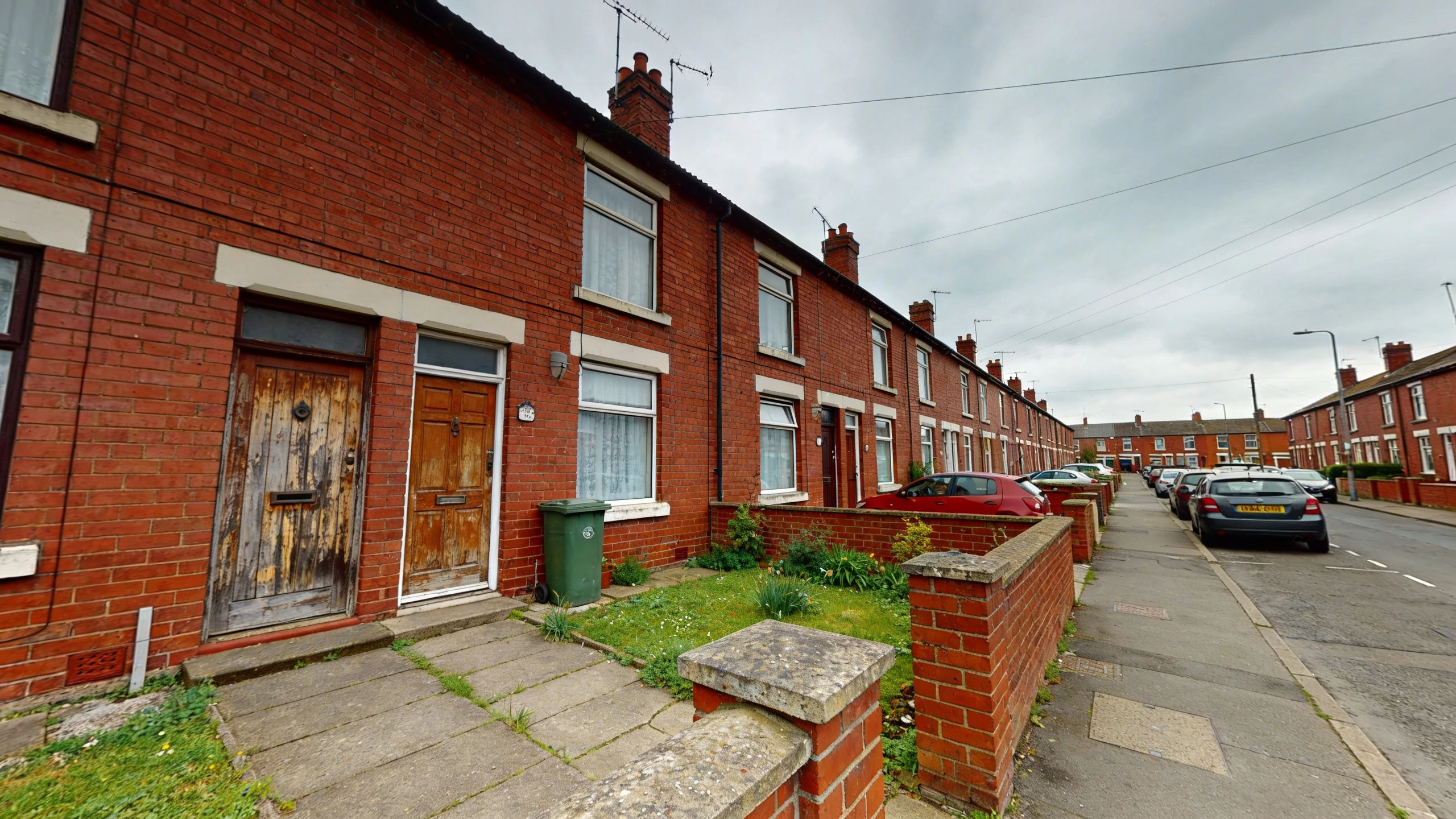
Ex-Council House Mortgage: What Lenders Think
Getting a mortgage on an ex-council house in the UK. Learn why some lenders hesitate, which construction types cause issues, and how to find flexible lenders.
Not sure about your mortgage options?
Find out your options — whether it's your circumstances or your property holding you back. Free, no judgement, no cold calls.
This page is educational content, not financial advice or a personal recommendation. Unmortgageable is not FCA-authorised. Any broker or lender we link to is separately regulated — verify them on the FCA Register before engaging. See our affiliate disclosure.