This is general information, not financial advice. Your circumstances are unique — always speak to a qualified mortgage broker before making financial decisions. This page may contain affiliate links. Affiliate disclosure · Terms
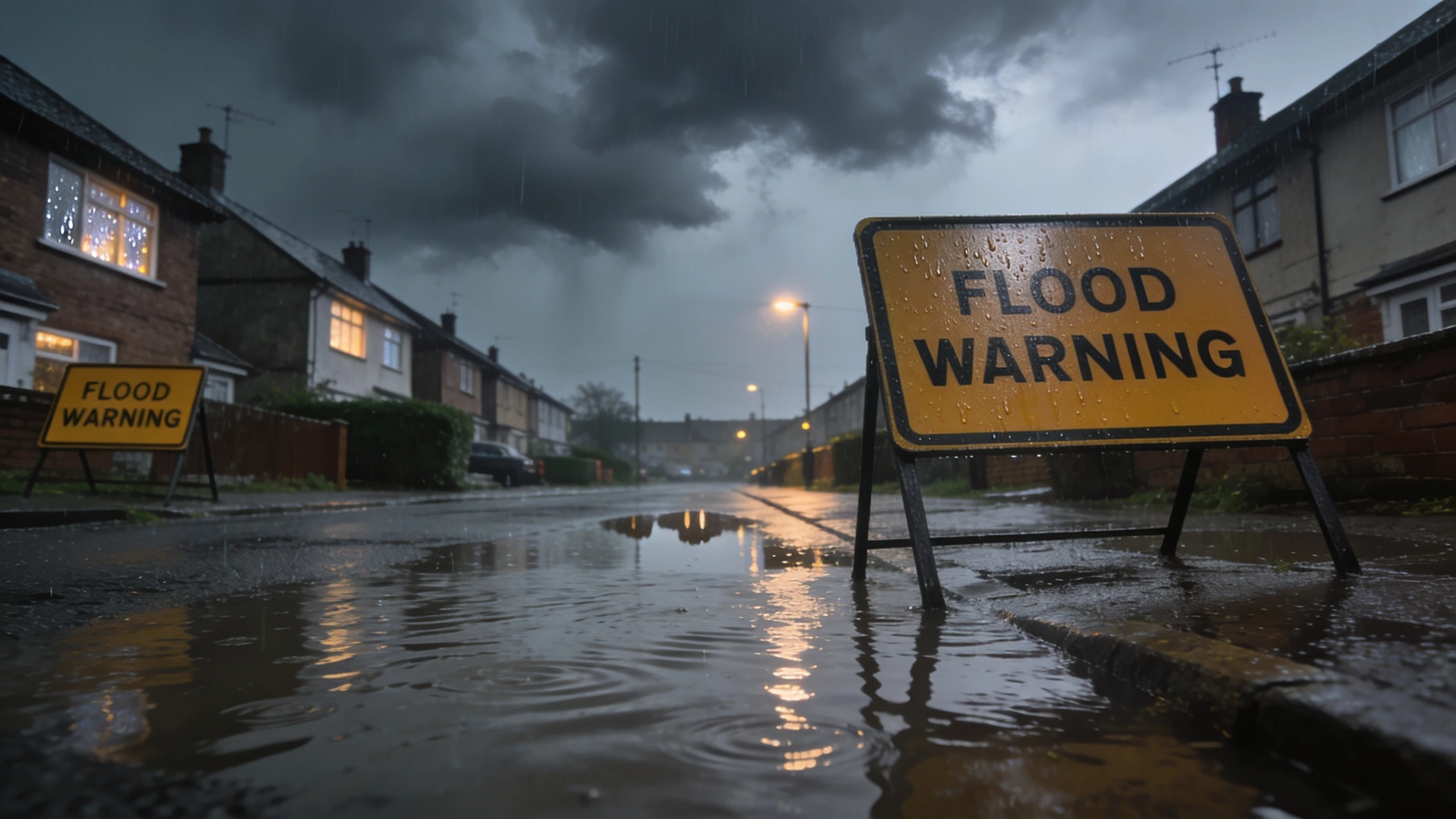
With climate change increasing the frequency and severity of flooding in the UK, more properties than ever are in identified flood risk areas. If you are looking at a property that has flood risk — or has actually flooded in the past — the mortgage picture is more nuanced than a simple yes or no.
Understanding Flood Risk Levels
The Environment Agency classifies flood risk into several categories:
Very Low: Less than 1 in 1,000 annual probability of flooding. No mortgage concerns.
Low: Between 1 in 1,000 and 1 in 100 annual probability. Most lenders comfortable. Insurance readily available.
Medium: Between 1 in 100 and 1 in 30 annual probability. Some lenders cautious. Insurance available but may cost more.
High: Greater than 1 in 30 annual probability. Fewer lenders. Insurance potentially expensive or difficult to obtain.
You can check any property's flood risk for free using the Environment Agency's "Check the long-term flood risk" tool at check-long-term-flood-risk.service.gov.uk (England), Natural Resources Wales, or SEPA (Scotland).
Check all flood types
Flood risk comes from multiple sources: rivers (fluvial), surface water (pluvial), the sea (coastal/tidal), and groundwater. A property might be low risk for river flooding but high risk for surface water flooding. Check all sources.
How Lenders Assess Flood Risk
Lenders care about flood risk for two reasons:
- Property damage: Flooding can cause severe damage to their security (your property), reducing its value.
- Insurance availability: If adequate buildings insurance is not available, the lender's security is unprotected.
The second point is actually more critical. If you can obtain comprehensive buildings insurance at a reasonable cost, most lenders will be satisfied — even if the property has some flood risk.
The Surveyor's Role
The lender's surveyor will note any flood risk indicators during the valuation:
- Proximity to rivers, canals, or the coast
- Evidence of previous flooding (tide marks, flood barriers, raised electrical sockets)
- Local flood defences
- The overall assessment of flood risk
If the surveyor flags significant flood risk, the lender may require:
- Confirmation that buildings insurance is in place and includes flood cover
- Details of any flood resilience measures installed
- A flood risk assessment from a specialist
Flood Re: The Game Changer
Flood Re is a joint initiative between the government and the insurance industry, launched in 2016. It acts as a reinsurer, allowing insurance companies to offer affordable flood insurance on properties that would otherwise be uninsurable or prohibitively expensive.
How It Works
- Insurance companies can pass the flood risk element of a home insurance policy to Flood Re
- Flood Re charges a fixed premium based on the property's council tax band (not the actual flood risk)
- This keeps premiums affordable for homeowners in high-risk areas
- The scheme is funded by a levy on all UK home insurers
Who Qualifies
Flood Re covers residential properties that:
- Were built before 1 January 2009 (to avoid incentivising building in flood plains)
- Are used as a domestic residence
- Have a council tax band
Who Does Not Qualify
- Properties built after 1 January 2009
- Commercial properties
- Council tax band H properties (the most expensive band) — though this is under review
- Leasehold properties where buildings insurance is arranged by the freeholder (unless the freeholder accesses Flood Re through their insurer)
Flood Re is temporary
Flood Re is designed to run until 2039, after which the intention is that flood insurance will be risk-reflective (meaning premiums will reflect actual flood risk). If you are buying in a high flood risk area, be aware that your insurance costs may increase significantly when Flood Re ends — or if the scheme changes.
Properties That Have Actually Flooded
A property with a history of actual flooding faces more scrutiny than one that is merely in a risk zone:
- Disclosure: Sellers must disclose flooding history on the TA6 property information form
- Insurance: Insurers will look at the claims history; previous flood claims can increase premiums
- Lender caution: Some lenders will decline properties that have flooded multiple times
- Valuation impact: A history of flooding typically reduces the property's value
However, many properties that have flooded once have subsequently had flood resilience measures installed and are insurable. A single historic flood event does not necessarily make a property unmortgageable.
Which Lenders Accept Flood Risk Properties?
Most mainstream lenders will consider properties in flood risk areas, provided:
- Adequate buildings insurance (including flood cover) is available
- The surveyor's valuation is satisfactory
- The flood risk is not assessed as extreme
Lenders known to be pragmatic about flood risk include:
- Halifax — generally flexible if insurance is available
- Nationwide — considers on a case-by-case basis
- NatWest — will lend with appropriate insurance
- Ecology Building Society — takes an environmental and individual approach
- Various building societies — many are flexible, especially those in areas with known flood risk
Flood Resilience Measures
Properties with flood resilience measures are more attractive to lenders and insurers. These include:
Resistance Measures (Keeping Water Out)
- Flood barriers for doors and airbricks
- Non-return valves on drains
- Waterproof rendering or tanking at ground level
- Raised thresholds
Resilience Measures (Minimising Damage If Water Gets In)
- Electrical sockets raised above potential flood level
- Tiled or concrete floors instead of carpet at ground level
- Water-resistant plaster and materials below the flood line
- Boiler and appliances raised or relocated above flood level
Investment in these measures can cost £5,000-30,000+ but can significantly reduce flood damage and insurance premiums.
Typical Extra Costs
- Flood risk assessment: £300-1,000 (if required by the lender or for your own information)
- Higher insurance premiums: Variable — could be £200-1,000+ per year above standard rates, depending on risk level and Flood Re availability
- Flood resilience measures: £5,000-30,000+ for comprehensive protection
- Specialist surveys: If the property has flooded before, a damp survey may be needed
Practical Advice
- Check the flood risk before falling in love with a property — use the free Environment Agency tools
- Get insurance quotes before committing to purchase — if you cannot get affordable insurance, the mortgage may fall through
- Ask the seller about flooding history — have they claimed on insurance? What measures have they taken?
- Check local flood defences — is the area protected by existing or planned defences?
- Visit after heavy rain — see how the property and surrounding area cope with water
- Factor in ongoing costs — flood insurance, maintenance of resilience measures, potential future flooding
- Consider Flood Re availability — if the property qualifies, insurance should be affordable
- Think about the future — climate change projections suggest flood risk will increase in many areas
When to Be Cautious
Some flood risk situations warrant extra caution — and where a site has also been used for industrial purposes, contamination may compound the issue. Our guide to contaminated land mortgages explains what lenders and surveyors look for when both environmental risks are present.
- Properties that have flooded more than twice in the last 10 years
- Properties in areas where flood defences are inadequate and no improvement is planned
- New-build properties in flood plains (not covered by Flood Re)
- Properties where buildings insurance is genuinely unavailable at any price
- Coastal properties at risk of erosion as well as flooding
In these cases, the property may be genuinely difficult to mortgage — and if your mortgage is declined, the financial risks of ownership may outweigh the benefits.
If flood risk makes the property hard to insure or mortgage, selling directly for cash may be the fastest route. SellTo offers free cash valuations with no fees to the seller.(affiliate)
Specific Lender Policies on Flood Risk

While most lenders will consider flood risk properties where insurance is available, their approaches differ in the detail:
Halifax and Lloyds Banking Group
Halifax generally follows a pragmatic approach. If buildings insurance with flood cover is confirmed, they will usually proceed. They rely on the surveyor's assessment and do not typically commission separate flood risk reports. They may add a condition to the mortgage offer requiring ongoing flood insurance.
Nationwide
Nationwide considers flood risk applications individually. They are particularly flexible in areas like the Somerset Levels, parts of Yorkshire, and the Thames Valley where flood risk is a well-understood local feature. They are more cautious about properties with a history of multiple flood events.
NatWest
NatWest will lend on flood risk properties provided insurance is available. They may ask for evidence of flood resilience measures if the property has previously flooded. Their approach is generally consistent across all regions.
Ecology Building Society
Ecology takes a unique approach. They consider the environmental context holistically, including flood risk management. If a property has appropriate resilience measures in place and the buyer has a realistic understanding of the risks, they will often lend where others will not.
Specialist Lenders
For properties where mainstream lenders decline, specialist lenders like Together and Aldermore may consider applications with higher deposits (typically 25-30%) and higher interest rates. These can provide a route to purchase for properties in high-risk areas.
What the Valuer Looks For
When a surveyor values a property in a flood risk area, they assess several specific factors beyond the standard valuation:
Environment Agency Data
The surveyor checks the property's position on Environment Agency flood maps and notes the flood risk category. They will also check whether the property is in a Flood Warning Area (where the Environment Agency issues flood warnings) or a Flood Alert Area (a broader area of potential risk).
Physical Evidence of Flooding
The surveyor looks for tell-tale signs that the property has experienced flooding:
- Tide marks or waterlines on internal or external walls
- Flood barriers fitted to doors or airbricks
- Electrical sockets positioned higher than normal (above potential flood level)
- Water-resistant materials used at ground level (tile floors, lime plaster)
- A sump pump or drainage system in the basement or ground floor
- Replaced skirting boards or plasterwork at low level
Flood Defences
The surveyor notes any flood defences protecting the property or area:
- River embankments and flood walls
- Demountable flood barriers
- Property-level flood protection (barriers, non-return valves)
- Surface water drainage systems
- Any defence work in progress or planned
Comparative Market Evidence
In flood risk areas, the surveyor considers how flood risk has affected local property values. In some areas, the market has fully priced in the risk and properties sell at a known discount. In others, recent flooding events may have caused a sharper decline. The surveyor must reflect current market conditions, not just theoretical risk levels.
Regional Variations
Flood risk affects different parts of the UK in different ways, and the mortgage market has adapted accordingly:
The Somerset Levels
One of the most flood-prone areas in England, the Somerset Levels experienced devastating flooding in the winter of 2013-14. Since then, significant investment in flood defences has improved the situation, but the area remains at elevated risk. Local lenders and building societies (including Ecology and some regional societies) understand the area well and are generally pragmatic about lending there.
The Thames Valley
Parts of the Thames Valley, from Oxfordshire through to west London, are in flood risk zones. Properties along the Thames have a long history of managing flood risk, and the market generally prices this in. Insurance through Flood Re has helped maintain mortgageability. The Thames Barrier protects London, but areas upstream remain dependent on river levels.
Yorkshire
The River Aire, the River Ouse, and their tributaries have caused significant flooding in places like York, Leeds, Tadcaster, and many smaller communities. The Boxing Day floods of 2015 were particularly devastating. Investment in flood defences has improved protection, but parts of Yorkshire remain in high flood risk zones. Yorkshire Building Society and other local lenders understand the local flood risk context.
Cumbria and Lancashire
The Lake District and surrounding areas experience high rainfall and regular flooding. Storm Desmond in 2015 caused widespread devastation. Properties in flood-prone areas of Cockermouth, Carlisle, Lancaster, and Kendal can be challenging to insure and mortgage, though Flood Re has helped.
Coastal Areas
Coastal flood risk (from the sea, storm surges, and tidal flooding) affects communities along the entire UK coastline. East Anglia, the Humber estuary, and parts of the South Coast are particularly affected. Coastal properties face the additional concern of erosion — if a property is at risk of falling into the sea within the mortgage term, lenders will decline regardless of flood insurance availability.
Scotland
Scotland has its own flood risk framework managed by SEPA (Scottish Environment Protection Agency). Parts of the Scottish Borders, Perthshire, and the Moray coast have experienced significant flooding. Scottish lenders are generally familiar with local flood risk and take a pragmatic approach.
Survey Requirements and Costs
The survey requirements for a flood risk property depend on the level of risk and the lender's requirements:
- Lender's valuation: £250-600 — the surveyor will note flood risk as part of the standard valuation
- Environmental search: £30-60 — this is a standard part of conveyancing and includes flood risk data
- Flood risk assessment (if required): £300-1,000 — a detailed assessment by a flood risk specialist, sometimes required by lenders for properties in high-risk areas or with a flooding history
- Flood resilience survey: £200-500 — assesses what flood protection measures are in place and what additional measures could be installed
- Damp survey (for previously flooded properties): £200-400 — checks for residual moisture damage from past flooding events
Before-and-After Scenarios
Scenario 1: Low Risk Zone with Flood Re
A Victorian terrace in a market town, classified as "medium" flood risk by the Environment Agency. The property has never flooded. Insurance is available through Flood Re at a reasonable premium. Result: Most mainstream lenders will lend without difficulty. The mortgage process is essentially standard, though the surveyor will note the flood risk.
Scenario 2: Previously Flooded, Now Resilient
A detached cottage on the Somerset Levels that flooded in 2014. The owner subsequently invested £15,000 in flood resilience measures (barriers, non-return valves, raised electrics, water-resistant ground floor). Insurance is available through Flood Re. Result: Some mainstream lenders will lend. Others may request a flood risk assessment or require evidence that the resilience measures are maintained. Specialist lenders are available as a fallback.
Scenario 3: High Risk, No Defences
A terraced house in a high flood risk area with no property-level protection and no local flood defences planned. The property has flooded three times in the last 15 years. Result: Very difficult to mortgage. Most mainstream lenders will decline. Specialist lenders may consider with a 25-30% deposit. Insurance is available through Flood Re (property was built before 2009) but premiums are at the higher end.
Scenario 4: New Build in Flood Plain
A new-build house (completed 2020) in a designated flood risk area. Built to modern standards with ground floor flood resilience measures. Result: Flood Re is not available (built after 2009). Insurance must be obtained on the open market. If affordable flood insurance is available, most lenders will consider. If not, the property is effectively unmortgageable despite its modern construction.
Long-Term Considerations
Climate Change and Increasing Risk
Climate projections suggest that flood risk will increase across much of the UK. More intense rainfall, higher sea levels, and changing weather patterns mean that some areas currently at low risk may become medium or high risk within a typical mortgage term (25-30 years). While this is not a reason to avoid all flood risk, it is worth considering the trajectory of risk in the area you are buying.
Flood Re's Future
Flood Re is scheduled to operate until 2039, after which the insurance market is intended to transition to risk-reflective pricing. If you buy a property in a high flood risk area with affordable insurance through Flood Re, be aware that your insurance costs may increase significantly after 2039. This could affect both your living costs and the property's future saleability and mortgageability.
Property Value Trends
In areas with well-managed flood risk (good defences, Flood Re availability, strong community resilience), property values have generally recovered from any post-flooding dip. In areas with unmanaged or increasing risk, a long-term discount may apply. Consider flood risk as a factor in your property's long-term value trajectory, not just a hurdle to overcome at the point of purchase.
Our exclusive broker partner
Create Finance — for flood risk properties
Create Finance is authorised and regulated by the FCA — Unmortgageable is not. We earn a referral fee from Create Finance only if your mortgage completes through them. This never affects what you pay or what advice you receive.

Unmortgageable is not FCA-authorised. Create Finance is — verify them independently on the FCA Register. See our affiliate disclosure.
This is educational content, not financial advice. Your situation is unique — speak to a qualified mortgage broker before making any decisions.
Find out if the property is the problem
Quick check for the construction, lease, cladding, and title issues that get mortgage applications declined — before you spend on a survey.
Get startedRelated reading

Japanese Knotweed and Mortgages: The Reality
How Japanese knotweed affects UK mortgage applications. Learn about the TA6 categories, treatment plans, insurance-backed guarantees, and which lenders will lend.
Building Societies vs Banks: Why They're More Flexible
Why building societies often say yes when banks say no. Understand how UK building societies differ from banks and which ones help with complex situations.

Specialist Mortgage Lenders UK: Who Are They?
Who are the specialist mortgage lenders in the UK? A comprehensive guide to lenders who help with bad credit, self-employment, and non-standard situations.

Mortgage Declined: What to Do Next
Mortgage application declined? Don't panic. Understand why lenders say no, what to do next, and how to improve your chances second time around.
Not sure about your mortgage options?
Find out your options — whether it's your circumstances or your property holding you back. Free, no judgement, no cold calls.
This page is educational content, not financial advice or a personal recommendation. Unmortgageable is not FCA-authorised. Any broker or lender we link to is separately regulated — verify them on the FCA Register before engaging. See our affiliate disclosure.