This is general information, not financial advice. Your circumstances are unique — always speak to a qualified mortgage broker before making financial decisions. This page may contain affiliate links. Affiliate disclosure · Terms

Our exclusive broker partner
Create Finance — for pending CCJ mortgage application impact
Create Finance is authorised and regulated by the FCA — Unmortgageable is not. We earn a referral fee from Create Finance only if your mortgage completes through them. This never affects what you pay or what advice you receive.

Unmortgageable is not FCA-authorised. Create Finance is — verify them independently on the FCA Register. See our affiliate disclosure.
Mortgage with a Pending CCJ: What If You Have a Court Summons
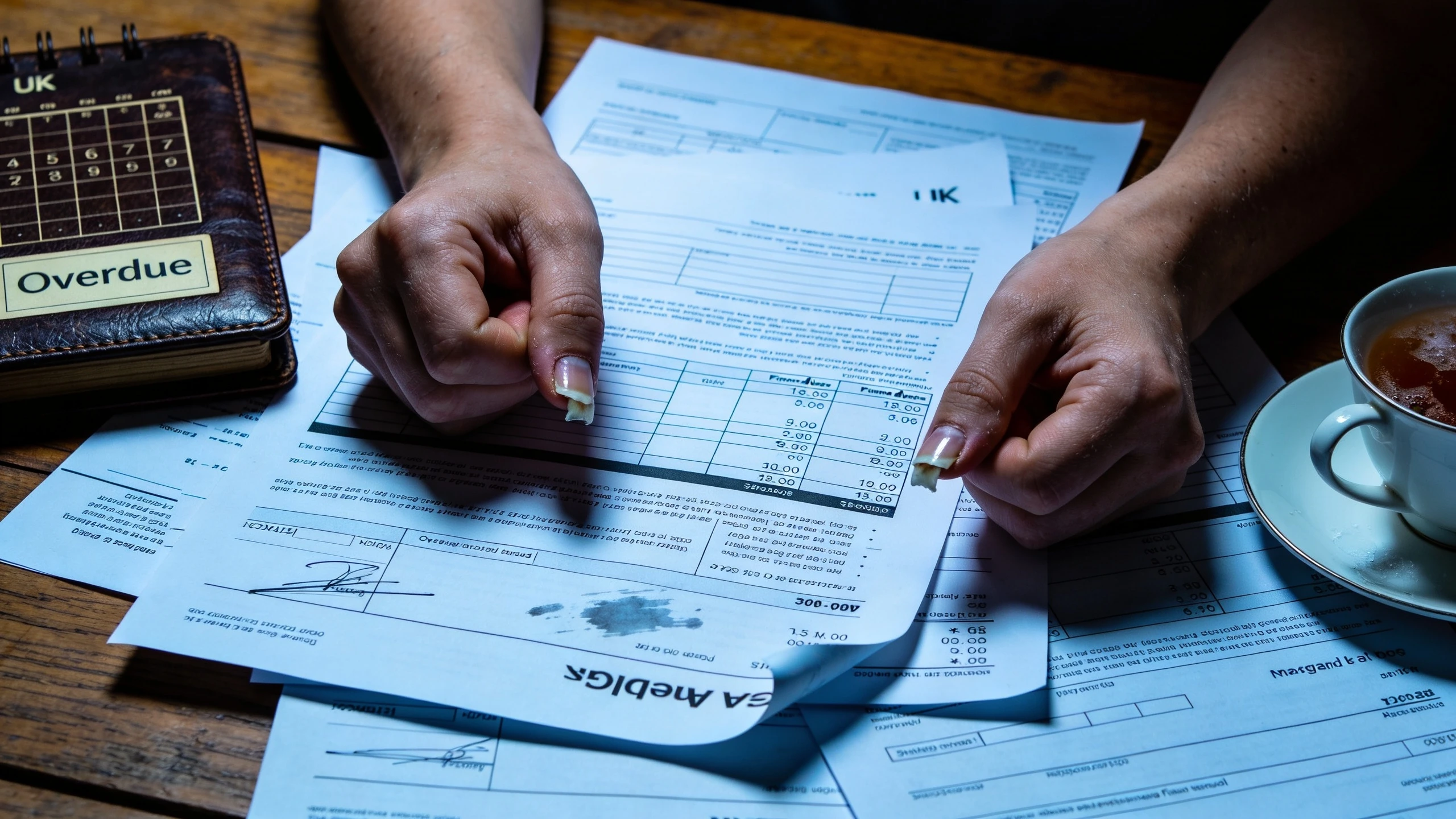
You've just received a brown envelope from the county court. Inside is a claim form — someone is taking you to court over a debt. Your first thought might be panic, especially if you're planning to buy a home.
But here's the crucial thing to understand: a court summons is not a CCJ. It's the step before. And between receiving a summons and having a judgement registered against you, there's a window of opportunity where the right action can make a significant difference to your mortgage prospects.
What Is a County Court Claim?
When someone you owe money to (a creditor) wants the court to order you to pay, they file a claim with the county court. You receive a claim form (previously called a summons) — form N1 — which tells you:
- Who is claiming against you (the claimant)
- How much they say you owe
- Why they say you owe it
- What they want the court to do
Along with the claim form, you receive a response pack containing forms to admit the claim, dispute it, or acknowledge it.
This is a legal process, but it's not a judgement. At this stage, no CCJ exists. Nothing has been registered on the Register of Judgments. Your credit file does not show a CCJ.
Don't ignore it
The single worst thing you can do with a court claim form is ignore it. If you don't respond within the deadline, the claimant can request a default judgement — a CCJ issued automatically without a hearing, without your side being heard, and without any negotiation. This is exactly how most CCJs happen, and it's entirely avoidable.
Your Options When You Receive a Claim Form
You have several options, and the right one depends on your situation:
Option 1: Pay the Full Amount
If you owe the money and can pay, paying the full amount (including any court fees claimed) within the response period means:
- The claim is discontinued
- No CCJ is registered
- Nothing appears on the Register of Judgments
- Your credit file shows no CCJ
This is the cleanest outcome. The underlying debt may still show on your credit file (as a default, for example), but the court action disappears.
How to pay: Pay the claimant directly (not the court). Get proof of payment. The claimant must then notify the court that the claim is settled.
Option 2: Admit the Claim and Offer Payment Terms
If you owe the money but can't pay in full immediately, you can file an admission (form N9A for a specified amount) and offer to pay in instalments.
If the claimant accepts your offer, the court records a judgement by admission. This IS a CCJ — but if you pay the total amount within one calendar month of the judgement date, you can apply to have the CCJ removed entirely from the register (form N443).
If the claimant doesn't accept your offer, a court officer decides what payment terms are reasonable based on your financial circumstances.
Option 3: Dispute the Claim (File a Defence)
If you don't believe you owe the money — or you dispute the amount — you can file a defence (form N9B). Common grounds include:
- You never owed the debt (mistaken identity, paid already)
- The amount is wrong
- The debt is statute-barred (more than 6 years since you last acknowledged it or made a payment, under the Limitation Act 1980)
- The creditor didn't follow proper procedures
- The goods or services were faulty (breach of contract)
Filing a defence means the case proceeds to a hearing or is resolved through negotiation. No CCJ can be registered while the case is being defended and heard.
Option 4: File an Acknowledgement of Service
If you need more time to decide what to do, file an acknowledgement of service (form N9). This extends your deadline to respond from 14 days to 33 days from the date the claim was served. It doesn't commit you to any particular response — it just buys time.
Deadlines matter
You have 14 days from receiving the claim form to respond (or 33 days if you file an acknowledgement of service). These deadlines are strict. If you miss them, the claimant can request a default judgement — a CCJ issued without any input from you. Mark the date on your calendar and act within it.
How a Pending Claim Affects Your Mortgage Application
Here's the practical question: can you apply for a mortgage while you have a pending county court claim?
What Appears on Your Credit File
A pending court claim does not appear on your credit file. Credit reference agencies record CCJs (judgements), not claims. So your credit score and credit report won't show the court action.
However, the underlying debt may already be on your file. If the creditor registered a default before taking court action (which is common), that default is visible to mortgage lenders regardless of the court proceedings.
What Lenders Ask
Many mortgage application forms include questions like:
- "Do you have any pending court actions?"
- "Are you aware of any CCJs or court proceedings?"
- "Is there any litigation pending against you?"
You must answer these honestly. If you answer yes, the lender may:
- Decline the application until the matter is resolved
- Ask for more details before proceeding
- Proceed if the amount is small and you can demonstrate it will be resolved
Practical Strategy
If you can pay the debt before applying for a mortgage: Do so. Settle the claim, get confirmation, and apply with the matter fully resolved.
If you're disputing the debt: The uncertainty makes mortgage applications difficult. Most lenders will want to see a resolution before proceeding. If the dispute is genuine and you have strong grounds, prioritise getting it resolved — either through negotiation or by defending the claim in court.
If you've already applied for a mortgage when the claim arrives: Tell your broker or lender immediately. Hiding it risks the application being voided later if the lender discovers the court action.
Preventing a Summons from Becoming a CCJ
If you've received a claim form and want to prevent a CCJ from being registered:
Pay In Full Within the Response Period
The simplest solution. Pay the amount claimed (check whether this includes court fees) and the claim goes away. No CCJ.
Negotiate a Settlement
Contact the claimant (or their solicitor) directly and negotiate. Many creditors would rather settle out of court than go through a hearing. You may be able to agree:
- A full and final settlement for less than the amount claimed
- A payment plan that avoids a CCJ being registered
- Terms that include the claimant discontinuing the court action
Get any agreement in writing before paying.
Defend the Claim
If the debt is disputed, a properly filed defence prevents a default judgement and puts the claim on a path to a hearing. At the hearing, a judge will decide the outcome based on the evidence. If the defence succeeds, no CCJ is registered.
Apply for Mediation
For claims under £10,000 (small claims track), the court may offer mediation — a free telephone service where an independent mediator helps both sides reach an agreement. If mediation succeeds, the claim is settled without a judgement.
What If You Already Have a CCJ from an Ignored Summons?
If you didn't respond to a claim form and a default judgement (CCJ) has been registered, you have two main options:
Pay and Apply for Removal
If the CCJ was issued in the last month, pay the full amount and apply to have it removed from the register (form N443, small fee). If it was more than a month ago, paying will mark it as satisfied but won't remove it.
Apply to Set Aside the Judgement
If you have a genuine reason for not responding (you didn't receive the claim form, it was sent to the wrong address, you have a valid defence), you can apply to have the CCJ set aside. This means the judgement is cancelled and the case starts again as if the CCJ never happened.
For a detailed guide on this process, see our article on getting a CCJ set aside.
Act quickly on set-aside applications
The sooner you apply to set aside a CCJ, the better your chances. Courts look more favourably on applications made promptly after discovering the judgement. If you found out about a CCJ through a credit check before a mortgage application, apply to set it aside immediately — don't wait.
Timeline Strategy for Mortgage Applicants
If you've received a court summons and you're planning a mortgage application, here's the priority order:
- Don't ignore the claim form — respond within the deadline
- Pay if you can — eliminate the court action entirely
- Negotiate if you can't pay in full — aim for a settlement that avoids a CCJ
- Defend if the debt is disputed — protect your credit file from an unjust judgement
- Resolve the matter before applying for a mortgage — a clean resolution makes everything easier
- If the matter can't be resolved quickly, talk to a specialist broker — they can advise on timing and which lenders might proceed with a pending claim
Getting Help
Dealing with court claims can be stressful, but help is available:
- Citizens Advice — free advice on responding to court claims
- National Debtline (0808 808 4000) — free debt advice
- Gov.uk — guidance on responding to county court claims
- A solicitor — if the amount is significant or the dispute is complex, legal advice may be worthwhile
What to do next
If pending legal proceedings block mortgage approval, selling directly for cash may be the fastest route. SellTo offers free cash valuations with no fees to the seller.(affiliate)
A court summons feels alarming, but it's not a CCJ. Between receiving that envelope and having a judgement registered, there's a window where the right action — paying, negotiating, or defending — can prevent the worst outcome for your mortgage plans.
The key is to respond, not ignore. A CCJ from an ignored summons is the most preventable and frustrating credit issue there is. Whatever you do, engage with the process, meet the deadlines, and if you're planning a mortgage, resolve the matter before you apply.
Our exclusive broker partner
Create Finance — for county court summons
Create Finance is authorised and regulated by the FCA — Unmortgageable is not. We earn a referral fee from Create Finance only if your mortgage completes through them. This never affects what you pay or what advice you receive.
Unmortgageable is not FCA-authorised. Create Finance is — verify them independently on the FCA Register. See our affiliate disclosure.
Check your credit file for free
Before applying for a mortgage, check all three UK credit agencies. They hold different data — errors on one could cost you an approval.
These are free services. We may earn a commission if you sign up through these links. Affiliate disclosure
This is educational content, not financial advice. Your situation is unique — speak to a qualified mortgage broker before making any decisions.
Related reading

Mortgage with a CCJ: How Old Is Old Enough?
Can you get a UK mortgage with a CCJ? We explain how age, size, and satisfaction status affect your options with real lender criteria.

Getting a CCJ Set Aside: When and How
How to get a CCJ set aside in the UK. When you can apply, the court process, costs involved, and how it affects your credit file and mortgage prospects.

Mortgage with a Default: Settled vs Unsettled
UK guide to getting a mortgage with defaults on your credit file. How settled vs unsettled defaults affect your options and which lenders will consider you.
Mortgages for Bad Credit: What Score Do You Actually Need?
Find out what credit score you really need for a UK mortgage. We cover minimum scores, specialist lenders, and how to improve your chances.
Not sure about your mortgage options?
Find out your options — whether it's your circumstances or your property holding you back. Free, no judgement, no cold calls.
This page is educational content, not financial advice or a personal recommendation. Unmortgageable is not FCA-authorised. Any broker or lender we link to is separately regulated — verify them on the FCA Register before engaging. See our affiliate disclosure.